Salvia divinorum
Common Sage
Salvia officinalis
L. Species


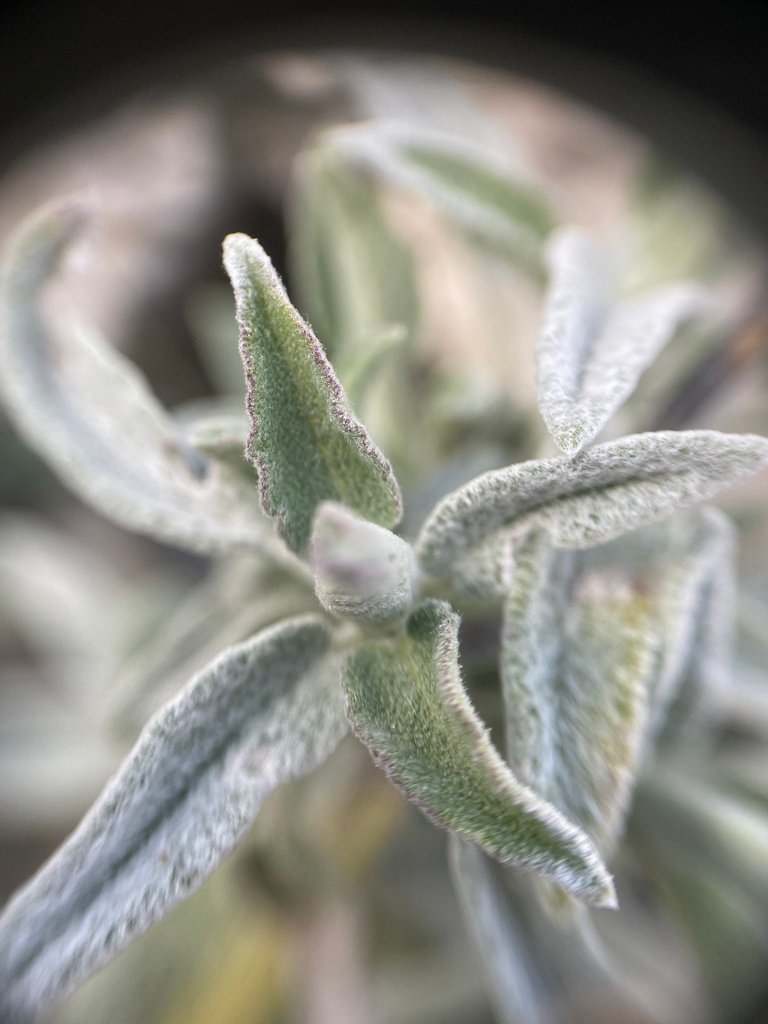


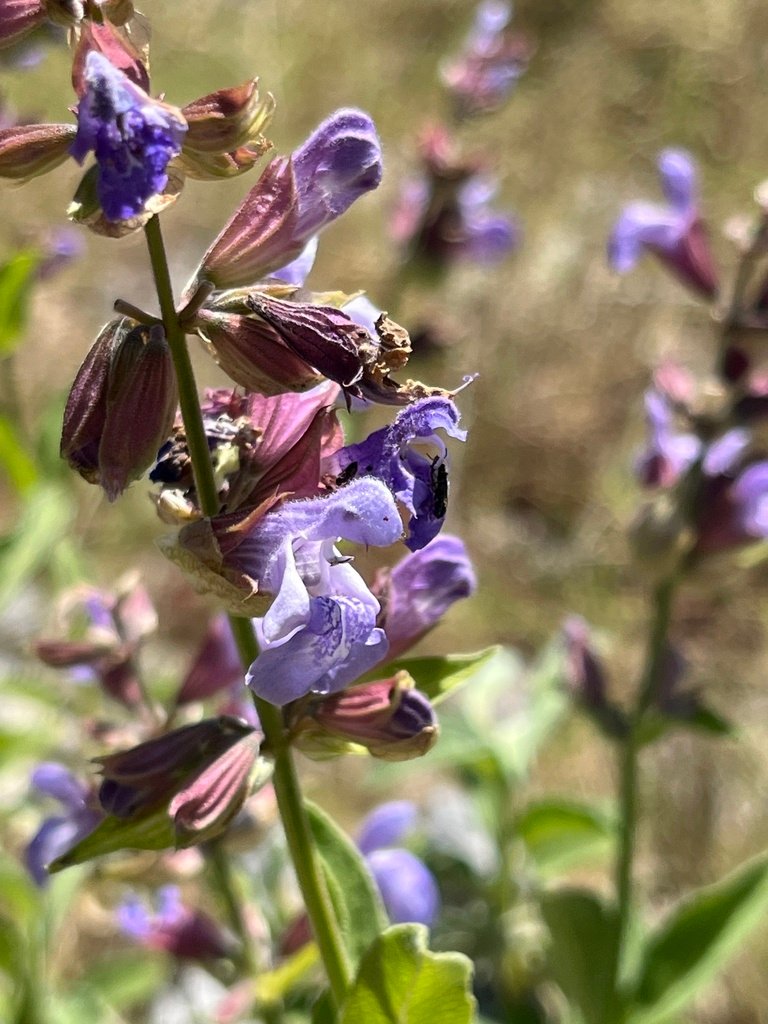
- Botanical name
- Salvia officinalis
- Also known as
- Common Sage, Garden Sage, Kitchen Sage, Sage
- Family
- Lamiaceae
- Genus
- Salvia
- Flowering period
- June to July
- Height
- 50–80 cm
- Spread
- 60–100 cm
- Hardiness
- Fully hardy (RHS H5)
- Reference
- World Flora Online
How to grow Common Sage
Full sun
Low; drought tolerant once established
Light, sharply drained, not rich
Neutral to alkaline
Planting
Plant in spring in the sunniest, best-drained spot available. It is a Mediterranean sub-shrub and dies out in cold wet clay, so on heavy soil use a raised bed, gravel, or a large pot of gritty compost. Do not feed it — soft growth is less hardy and less aromatic.
Pruning
Trim lightly each spring once new growth is visible, shaping the plant and removing winter-damaged tips. As with lavender, do not cut back into bare old wood, which usually will not reshoot. A light trim after flowering also keeps it compact.
Propagation
Semi-ripe cuttings in late summer root easily. Layering works too: peg a low branch into the soil and sever it once rooted. Worth doing routinely, since plants get woody.
Pests and diseases
Few pests, though rosemary beetle and its larvae feed on sage and other Mediterranean herbs and can be picked off by hand. Root rot in wet soil is the main cause of loss.
Value to wildlife
The purple-blue flower spikes are worked heavily by bumblebees in early summer. It is worth letting culinary plants flower for this reason rather than clipping them constantly.
Notes
Plants get leggy and sparse after about four or five years; replace them from cuttings rather than trying to rejuvenate a woody specimen. Harvest leaves before flowering for the strongest flavour.
This guidance was researched and written by GardenDecoded — see our editorial policy for how guides are checked and reviewed.
Others in Salvia
GardenDecoded is an educational gardening reference. Botanical data comes from World Flora Online and GBIF; growing guidance is our own. Always check a plant's toxicity and local invasiveness status before planting, and never eat or apply a plant based on this site alone.