Salvia divinorum
Rosemary
Salvia rosmarinus
Spenn. Species

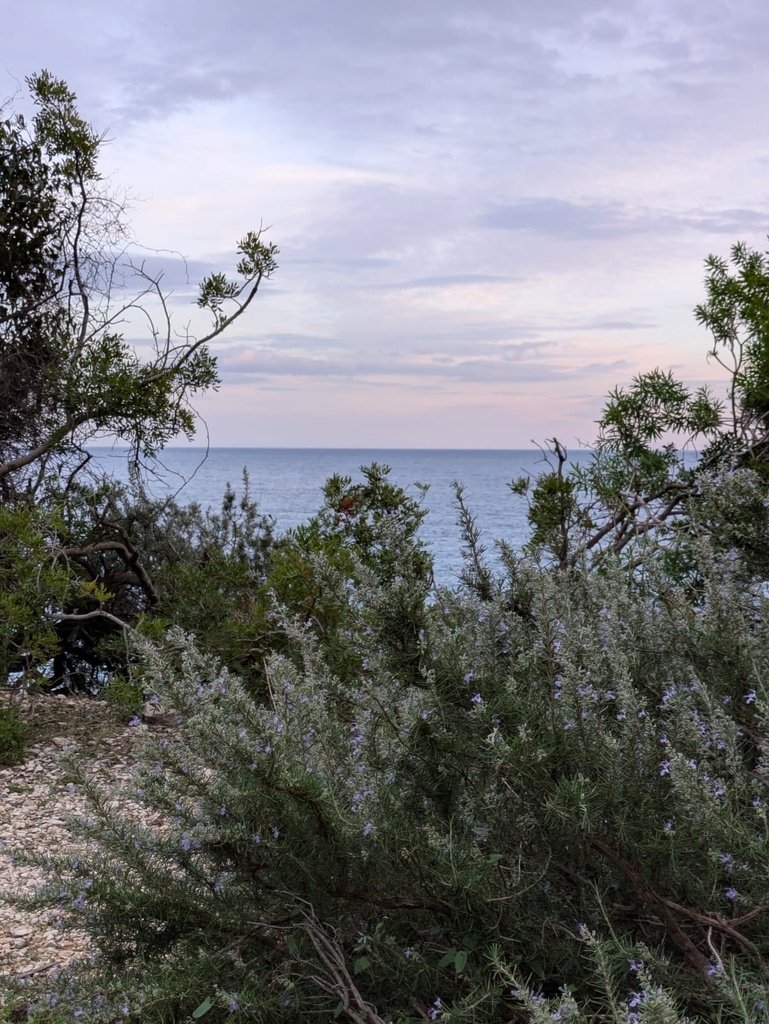
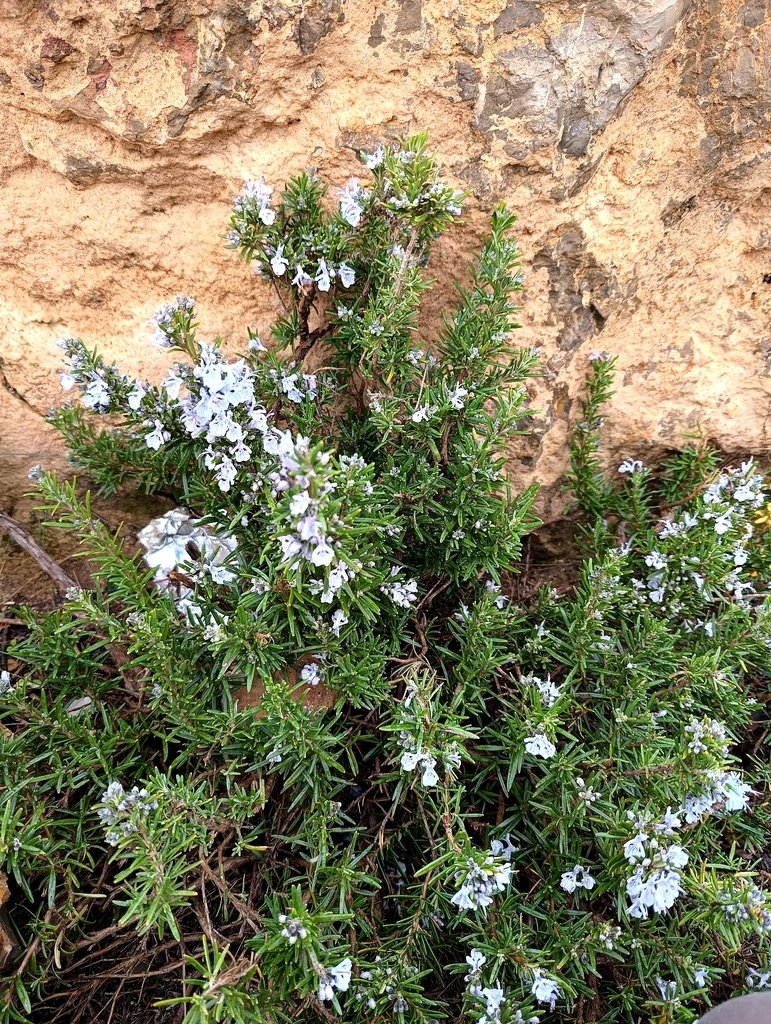

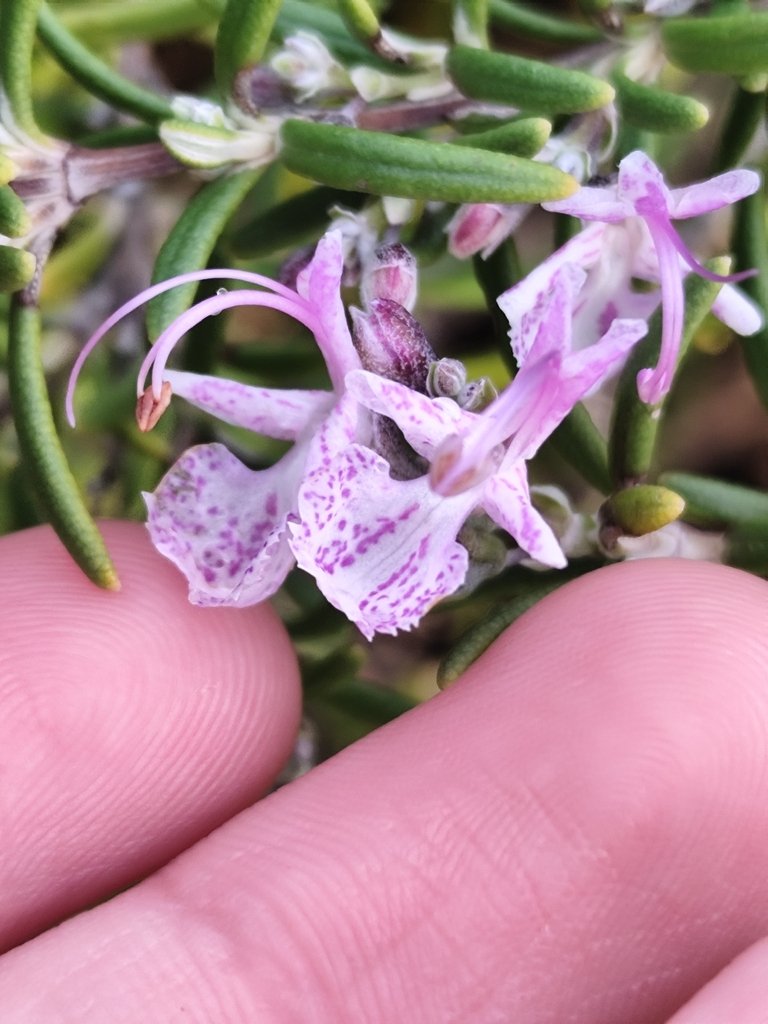
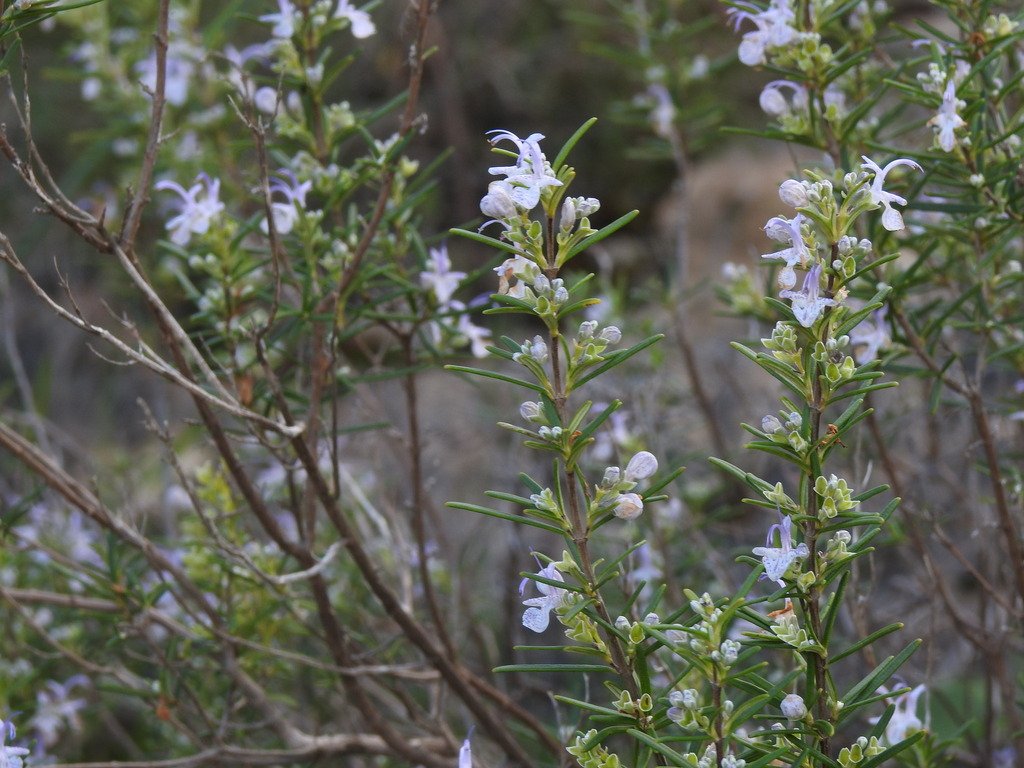
- Botanical name
- Salvia rosmarinus
- Family
- Lamiaceae
- Genus
- Salvia
- Flowering period
- April to May
- Height
- 100–150 cm
- Spread
- 60–120 cm
- Hardiness
- Hardy in most of the UK (RHS H4)
- Reference
- World Flora Online
How to grow Rosemary
Full sun
Low; drought-tolerant and easily killed by overwatering
Sharply drained, low fertility; add grit on heavy ground
Neutral to alkaline
Planting
Sun and drainage are everything. On clay, plant on a raised mound with grit worked in, or grow it in a pot of gritty compost — wet cold roots over winter kill far more rosemary than frost does.
Pruning
Trim lightly after flowering, taking off no more than the current season's growth. Like lavender it will not reliably reshoot from bare old wood, so a leggy plant is usually best replaced from a cutting.
Propagation
Semi-ripe cuttings in summer root easily in a gritty mix. Take a few every couple of years so there is always a replacement coming on.
Pests and diseases
Rosemary beetle is now widespread — metallic green and purple striped adults and grey grubs stripping the foliage. Pick them off into a tray; they are most active from late summer through winter.
Value to wildlife
Flowers early and is worked hard by bumblebees at a lean time of year.
Notes
Renamed from Rosmarinus officinalis and still sold under that name. Prostrate forms are noticeably less hardy than upright ones and are best kept in pots that can be moved under shelter.
This guidance was researched and written by GardenDecoded — see our editorial policy for how guides are checked and reviewed.
Other names for this plant
These names have all been used for Salvia rosmarinus but are no longer the accepted name. You may still meet them on old labels, in books, or in nursery catalogues.
Rosmarinus angustifolius
Rosmarinus communis
Rosmarinus flexuosus
Rosmarinus latifolius
Rosmarinus lavandulaceus var. trogloditarum
Rosmarinus laxiflorus
Rosmarinus laxiflorus var. reptans
Rosmarinus ligusticus
Rosmarinus officinalis
Rosmarinus officinalis f. laxiflorus
Rosmarinus officinalis prol. latifolius
Rosmarinus officinalis subsp. laxiflorus
Rosmarinus officinalis subsp. palaui
Rosmarinus officinalis subsp. valentinus
Rosmarinus officinalis subvar. macrocalyx
Rosmarinus officinalis var. angustifolius
Rosmarinus officinalis var. angustissimus
Rosmarinus officinalis var. argentatus
Rosmarinus officinalis var. auratus
Rosmarinus officinalis var. flexuosus
Rosmarinus officinalis var. latifolius
Rosmarinus officinalis var. latifolius
Rosmarinus officinalis var. laxiflorus
Rosmarinus officinalis var. nutans
Rosmarinus officinalis var. palaui
Rosmarinus officinalis var. prostratus
Rosmarinus officinalis var. rigidus
Rosmarinus officinalis var. serotinus
Rosmarinus officinalis var. trogloditarum
Rosmarinus officinalis var. vulgaris
Rosmarinus palaui
Rosmarinus prostratus
Rosmarinus prostratus
Rosmarinus rigidus
Rosmarinus serotinus
Rosmarinus tenuifolius
Salvia fasciculata
Salvia rosmarinus subsp. palaui
Salvia rosmarinus subsp. valentina
Others in Salvia
GardenDecoded is an educational gardening reference. Botanical data comes from World Flora Online and GBIF; growing guidance is our own. Always check a plant's toxicity and local invasiveness status before planting, and never eat or apply a plant based on this site alone.