Viburnum opulus
Laurustinus
Viburnum tinus
L. Species


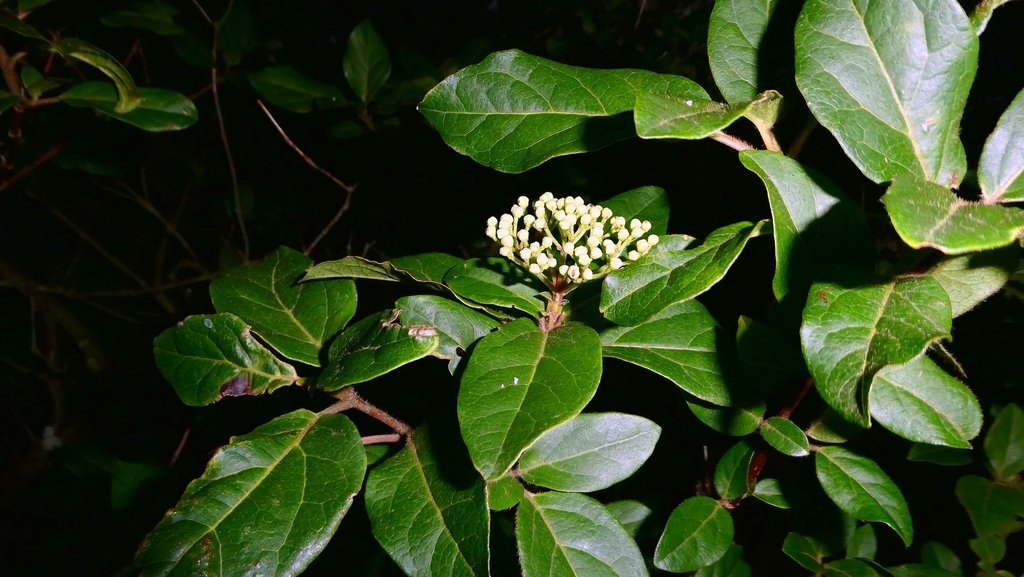

- Botanical name
- Viburnum tinus
- Also known as
- Laurestine, Laurustinus
- Family
- Viburnaceae
- Genus
- Viburnum
- Flowering period
- November to April
- Height
- 2–3 m
- Spread
- 2–3 m
- Hardiness
- Hardy in most of the UK (RHS H4)
- Reference
- World Flora Online
How to grow Laurustinus
Full sun to partial shade
Low to moderate once established
Any reasonably fertile, well-drained soil
Acid, neutral or alkaline
Planting
Plant in autumn or spring. It takes shade well and is one of the more reliable evergreens for a shaded boundary, though flowering is heavier in sun. Shelter from cold drying winds, which scorch the foliage in hard winters.
Pruning
Trim after flowering finishes in spring. It responds well to being cut back and can be clipped as an informal hedge, but avoid pruning in autumn as this removes the flower buds.
Propagation
Semi-ripe cuttings in mid to late summer, in a closed case or propagator.
Pests and diseases
Viburnum beetle larvae can defoliate plants in late spring. Whitefly is common on the undersides of leaves and produces sticky honeydew and sooty mould.
Value to wildlife
Flowering through winter and very early spring, it is one of the few nectar sources available to bees on mild days out of season. Blue-black berries follow and are eaten by birds.
Notes
Flowering is spread over several months rather than concentrated, opening from pink buds. In colder or more exposed gardens growth can be checked by hard frost, so treat it as borderline north of the Midlands.
This guidance was researched and written by GardenDecoded — see our editorial policy for how guides are checked and reviewed.
Other names for this plant
These names have all been used for Viburnum tinus but are no longer the accepted name. You may still meet them on old labels, in books, or in nursery catalogues.
Tinus laurifolius
Tynus lauriformis
Tynus lucidus
Viburnum latifolium
Viburnum lauriforme
Viburnum lucidum
Viburnum tinus var. hirtum
Viburnum tinus var. lucidum
Viburnum tinus var. strictum
Viburnum tinus var. virgatum
Others in Viburnum
GardenDecoded is an educational gardening reference. Botanical data comes from World Flora Online and GBIF; growing guidance is our own. Always check a plant's toxicity and local invasiveness status before planting, and never eat or apply a plant based on this site alone.