Rubus fruticosus
Common Red Raspberry
Rubus idaeus
L. Species
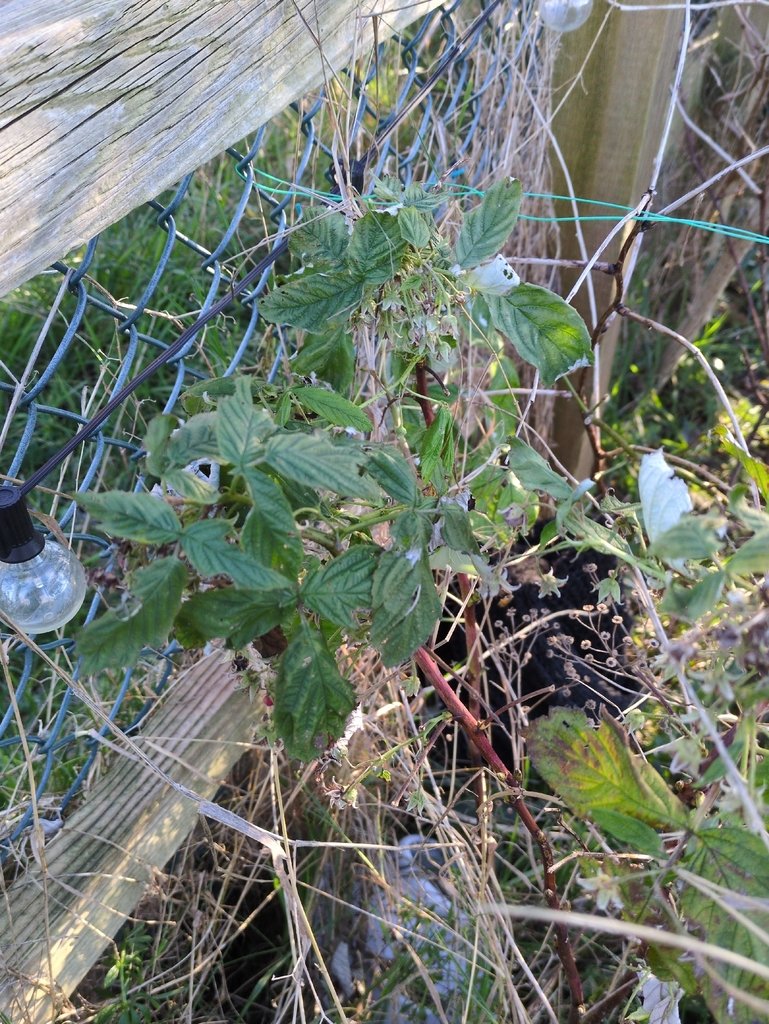


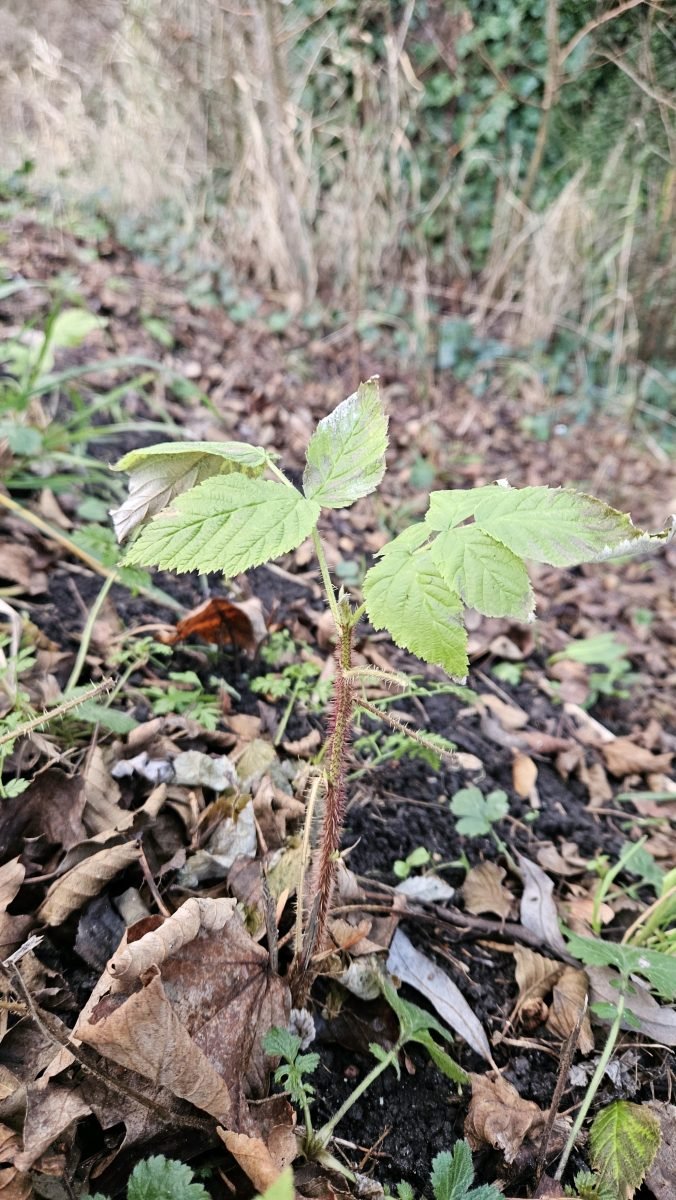

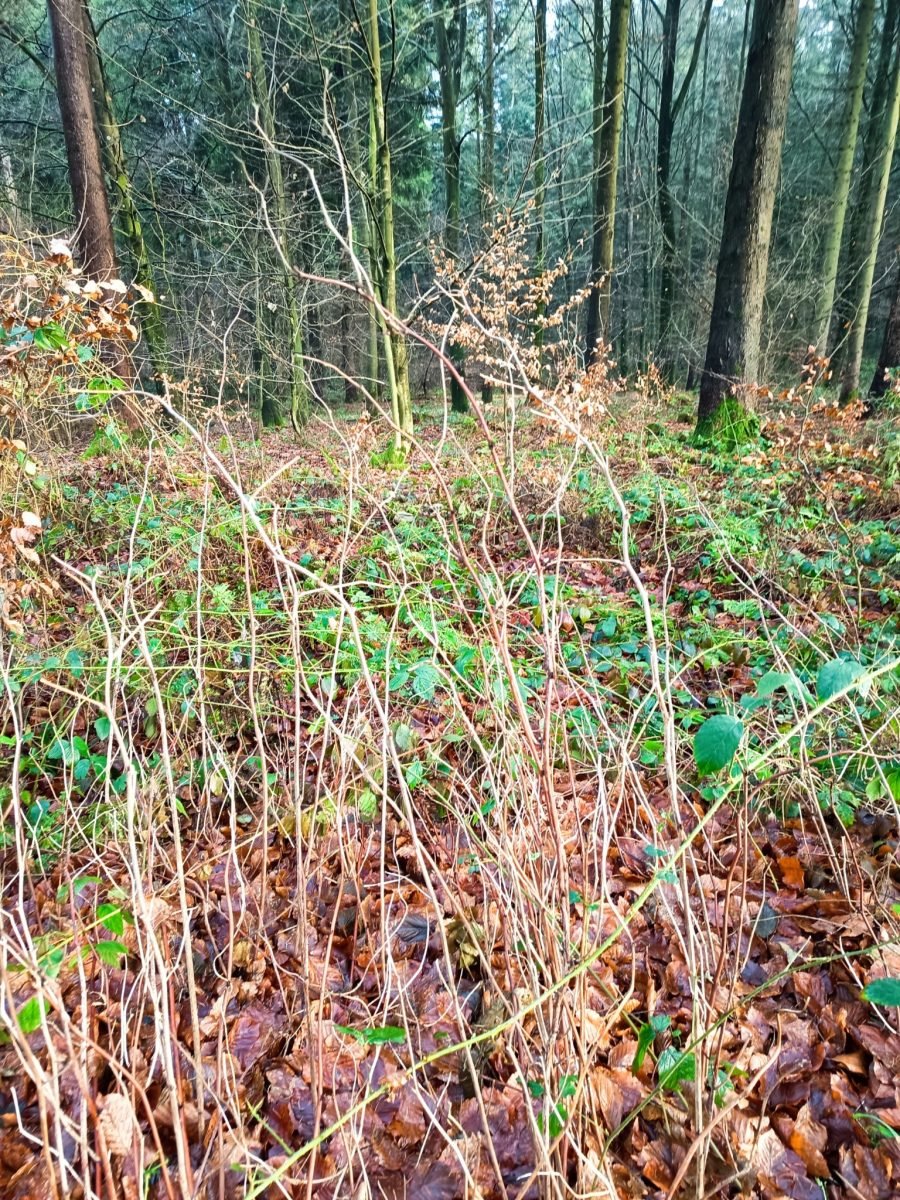
- Botanical name
- Rubus idaeus
- Also known as
- American Red Raspberry, Common Red Raspberry, European Raspberry, Raspberry, Red Raspberry, Western Red Raspberry, Wild Red Raspberry
- Family
- Rosaceae
- Genus
- Rubus
- Flowering period
- May to June
- Height
- 150–200 cm
- Spread
- 60–100 cm
- Hardiness
- Fully hardy (RHS H6)
- Reference
- World Flora Online
How to grow Common Red Raspberry
Full sun; tolerates light shade
Regular; shallow-rooted and quick to suffer in drought
Moisture-retentive, well-drained, humus-rich; hates waterlogging
Slightly acid to neutral
Planting
Plant bare-root canes from late autumn to early spring, about 40 cm apart in rows, with the roots just covered — planting too deep is a common cause of failure. Put in a post-and-wire support first. Cut canes back to about 25 cm after planting and do not expect a crop in the first year.
Pruning
Depends on the type, and getting this wrong is the usual reason for poor crops. Summer-fruiting raspberries fruit on last year's canes: cut fruited canes to the ground after picking and tie in the new ones. Autumn-fruiting kinds fruit on the current year's canes: cut every cane to ground level in February.
Propagation
Lift and replant rooted suckers in autumn or winter. Only take material from healthy stock, as virus spreads this way; certified canes are the safer start.
Pests and diseases
Raspberry beetle grubs in the fruit are the classic nuisance. Cane blight and spur blight cause dieback in wet conditions. Raspberry viruses build up over years and gradually reduce yield, which is why plantings are usually replaced after about ten years. Net against birds.
Value to wildlife
Flowers are heavily visited by bumblebees; any fruit you miss is quickly taken by birds.
Notes
Mulch annually with compost but keep it clear of the canes. Suckers travel well beyond the row and need pulling out each year, or the bed slowly turns into a thicket.
Some structured details on this page (such as tolerances, pH and hardiness) come from USDA PLANTS Database (public domain). The written guidance is GardenDecoded's own, researched as described in our editorial policy.
Toxicity
USDA PLANTS rates this species as having slight toxicity. Keep it away from children and animals, wash your hands after handling it, and seek medical or veterinary advice immediately if any part is eaten.
Source: USDA PLANTS Database (public domain) — always confirm with an authoritative source before acting on it.
Other names for this plant
These names have all been used for Rubus idaeus but are no longer the accepted name. You may still meet them on old labels, in books, or in nursery catalogues.
Batidaea idaea
Batidaea peramoena
Rubus diamantina
Rubus fragrans
Rubus glaber
Rubus idaeus f. idaeus
Rubus idaeus var. caudatus
Rubus idaeus var. idaeus
Rubus idaeus var. matsumurianus
Rubus idaeus var. matsumurianus
Rubus idaeus var. obtusifolius
Rubus vulgatus
Others in Rubus
GardenDecoded is an educational gardening reference. Botanical data comes from World Flora Online and GBIF; growing guidance is our own. Always check a plant's toxicity and local invasiveness status before planting, and never eat or apply a plant based on this site alone.