Rubus idaeus
Blackberry, bramble
Rubus fruticosus
L. Species
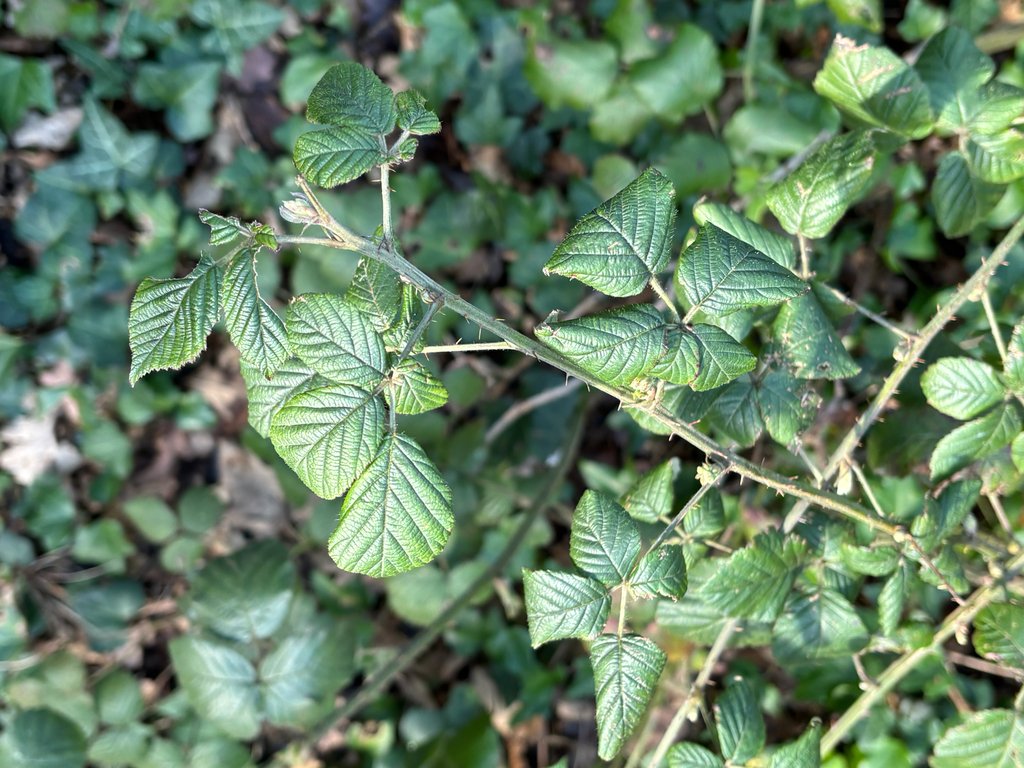
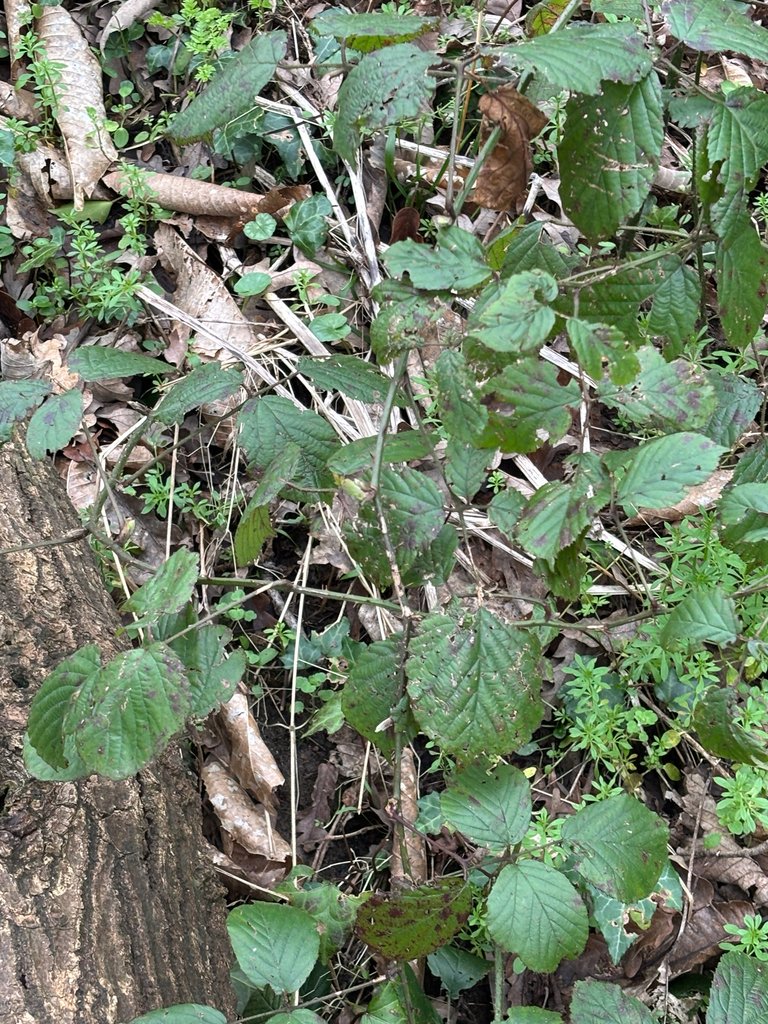
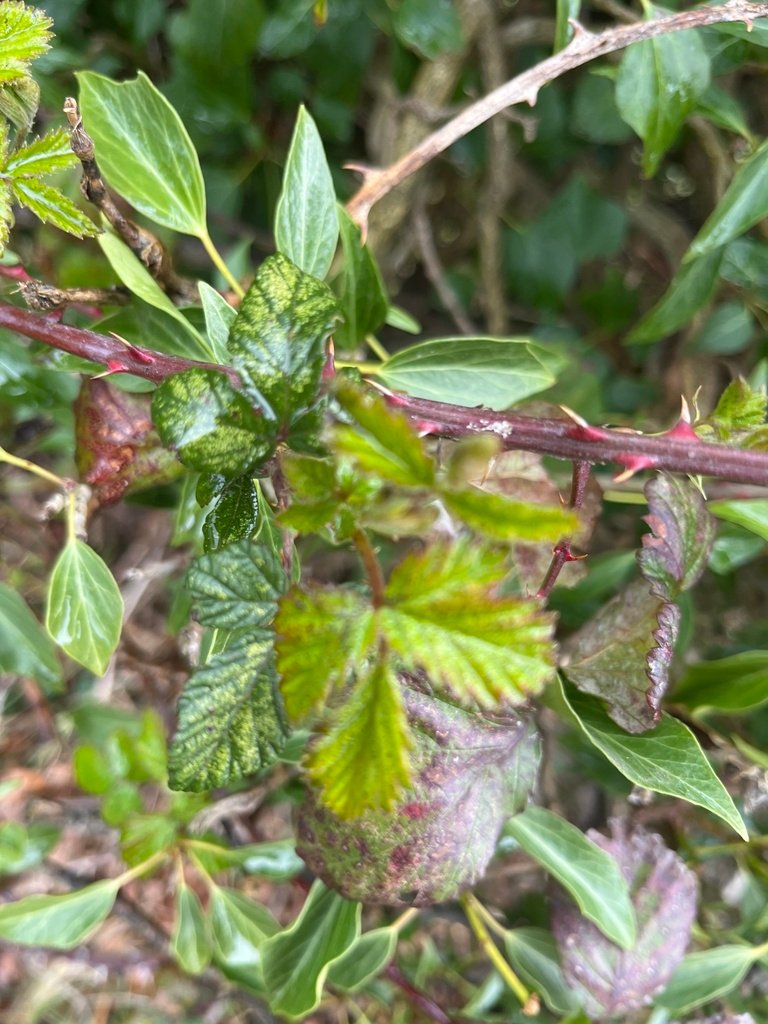
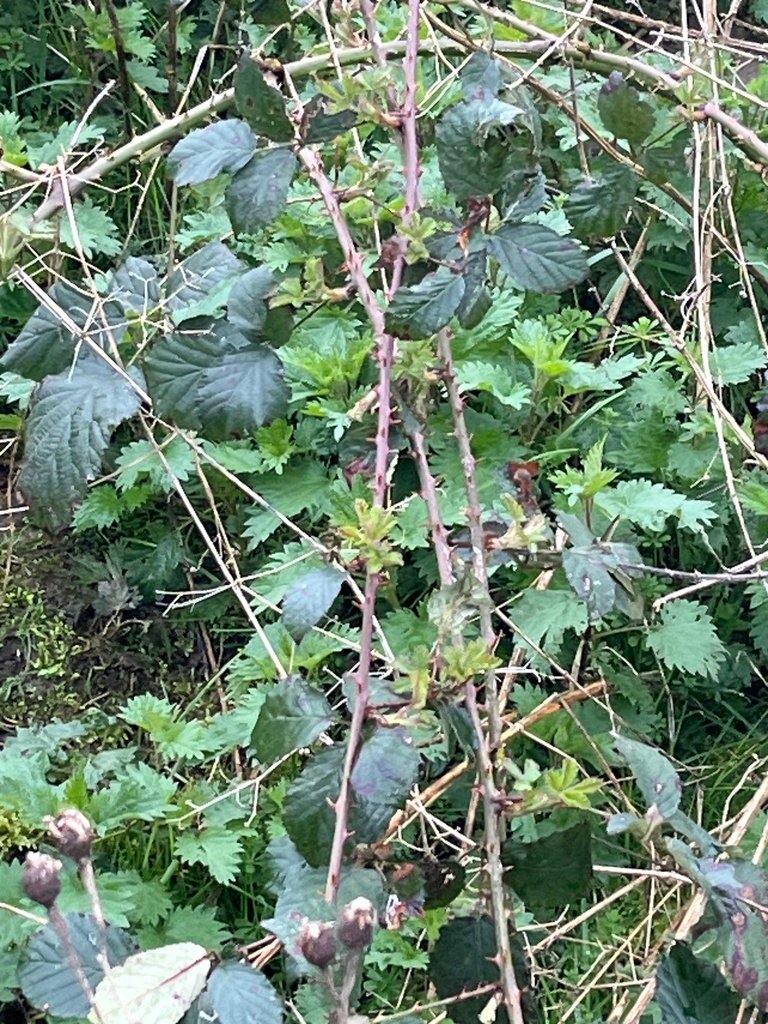
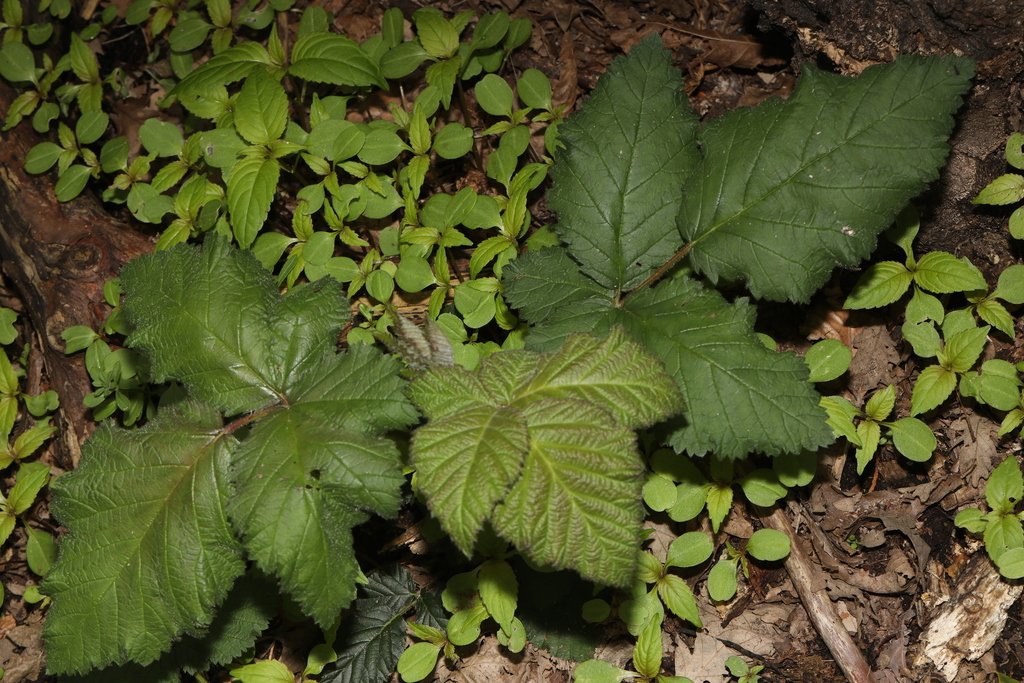
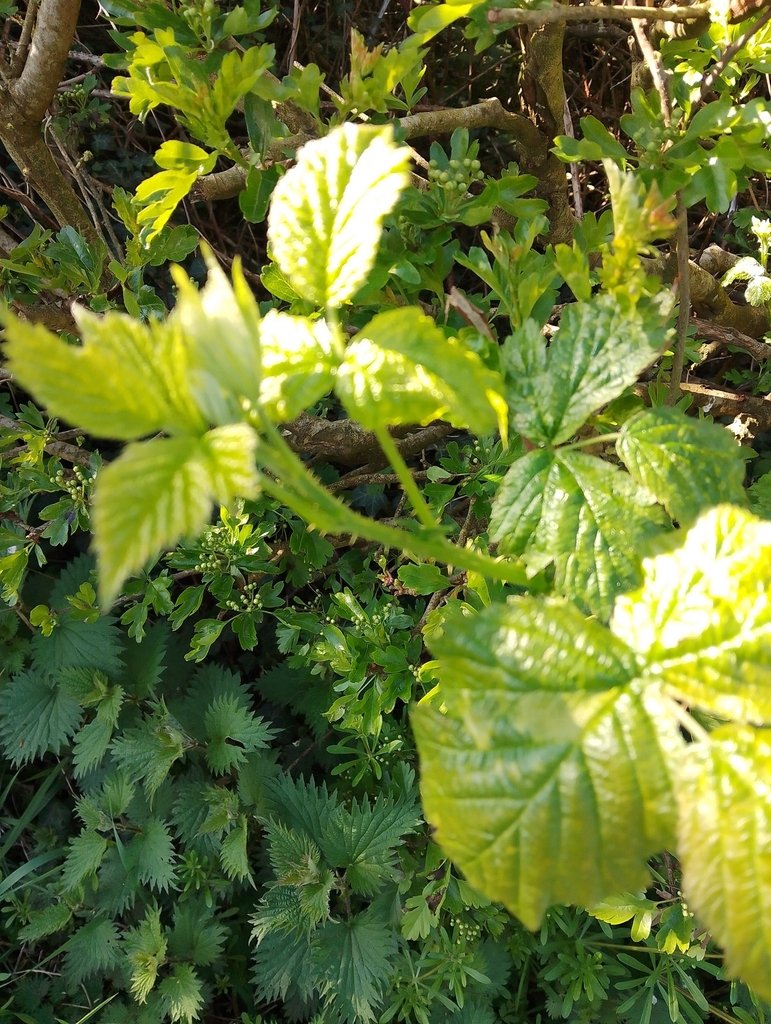
- Botanical name
- Rubus fruticosus
- Family
- Rosaceae
- Genus
- Rubus
- Flowering period
- June to August
- Height
- 1.5–3 m
- Spread
- 2–3.5 m
- Hardiness
- Fully hardy (RHS H6)
- Reference
- World Flora Online
How to grow Blackberry, bramble
Full sun to partial shade; crops in surprisingly shady spots
Moderate; established plants are fairly drought tolerant
Almost any reasonable soil with some moisture retention
Acid to neutral
Planting
Plant in autumn or late winter against wires strained between posts, or along a fence. Allow at least 2.5 m per plant for vigorous kinds; compact thornless cultivars need less. Cut the plant down to about 25 cm after planting to force strong new canes.
Pruning
Fruits on canes produced the previous year. After picking, cut every fruited cane out at ground level and tie in the new canes that grew this season. Keeping old and new canes on separate sides of the support, or fanning new growth up the middle, makes this much easier to do cleanly.
Propagation
Tip layering works almost too well: bend a cane tip to the ground in late summer, peg it down and cover with soil, then sever the rooted plant the following spring.
Pests and diseases
Raspberry beetle grubs affect blackberries too, showing as dried patches at the stalk end of the fruit. Purple blotch and cane spot mark the canes in wet seasons. Birds take ripe fruit.
Value to wildlife
Among the most valuable garden plants for wildlife — nectar for bees and hoverflies, berries for birds and mammals, and dense thorny cover for nesting and shelter.
Notes
The species name covers a very large aggregate of closely related wild brambles that vary in vigour and fruit quality. Garden cultivars are far better behaved than wild seedlings, and thornless kinds are worth the modest loss of flavour if space is tight.
This guidance was researched and written by GardenDecoded — see our editorial policy for how guides are checked and reviewed.
Other names for this plant
These names have all been used for Rubus fruticosus but are no longer the accepted name. You may still meet them on old labels, in books, or in nursery catalogues.
Rubus aestivalis
Rubus aestivus
Rubus amblyphyllus
Rubus avellanifolius
Rubus consimilis
Rubus corylifolius
Rubus dumosus
Rubus ernestibolli
Rubus exaltatus
Rubus exaltatus var. plicatus
Rubus fastigiatus var. dissectus
Rubus fruticosus f. affinis
Rubus fruticosus subsp. affinis
Rubus fruticosus subsp. plicatus
Rubus fruticosus unranked foliis-variegatis
Rubus fruticosus unranked glandulosus
Rubus fruticosus unranked subconcolor
Rubus fruticosus var. affinis
Rubus fruticosus var. caninus
Rubus fruticosus var. plicatus
Rubus fruticosus var. variegata
Rubus holmiensis
Rubus longepetiolatus
Rubus nitidus
Rubus nitidus subsp. plicatus
Rubus plicatus
Rubus plicatus f. brevispinus
Rubus plicatus f. incisus
Rubus plicatus f. longepetiolatus
Rubus plicatus f. pilocalymmus
Rubus plicatus f. rosulentus
Rubus plicatus f. stipularis
Rubus plicatus f. suboblongifolius
Rubus plicatus f. viridis
Rubus plicatus subsp. amblyphyllus
Rubus plicatus subsp. consimilis
Rubus plicatus subsp. interfoliatus
Rubus plicatus subsp. opacus
Rubus plicatus subsp. rosulentus
Rubus plicatus subsp. typicus
Rubus plicatus var. aciliensis
Rubus plicatus var. acuminatus
Rubus plicatus var. affinis
Rubus plicatus var. affinis
Rubus plicatus var. albiflorus
Rubus plicatus var. apricus
Rubus plicatus var. carinatus
Rubus plicatus var. communis
Rubus plicatus var. compositus
Rubus plicatus var. consimilis
Rubus plicatus var. cordifolius
Rubus plicatus var. cymosus
Rubus plicatus var. dissectus
Rubus plicatus var. duplicatoserratus
Rubus plicatus var. foliosus
Rubus plicatus var. glabriusculus
Rubus plicatus var. hirsutus
Rubus plicatus var. imbellis
Rubus plicatus var. interfoliatus
Rubus plicatus var. latifolius
Others in Rubus
GardenDecoded is an educational gardening reference. Botanical data comes from World Flora Online and GBIF; growing guidance is our own. Always check a plant's toxicity and local invasiveness status before planting, and never eat or apply a plant based on this site alone.