Rosa gallica
Common Briar
Rosa canina
L. Species



- Botanical name
- Rosa canina
- Also known as
- Canker Rose, Common Briar, Common-Briar, Dog Briar, Dog Rose, Dog-Rose, Dogbrier
- Family
- Rosaceae
- Genus
- Rosa
- Flowering period
- June to July
- Height
- 2–3 m
- Spread
- 2–3 m
- Hardiness
- Fully hardy (RHS H7)
- Reference
- World Flora Online
How to grow Common Briar
Full sun to partial shade
Low once established
Most soils; unfussy
Acid to alkaline
Planting
A native scrambling rose for hedgerows and wild boundaries rather than a border. Plant bare-root in winter, mixed through a native hedge where it can lean on other shrubs.
Pruning
It needs no formal pruning. Cut it back as part of hedge management in late winter, before birds start nesting.
Propagation
Hardwood cuttings in autumn, or sow seed from the hips after a long cold period. Germination is slow and often spread over two winters.
Pests and diseases
Blackspot, rust and mildew all occur but rarely matter on a plant grown informally. Robin's pincushion galls are harmless.
Value to wildlife
High. Single open flowers give pollen to a wide range of bees, the hips feed birds through autumn and winter, and the thorny growth makes good nesting cover.
Notes
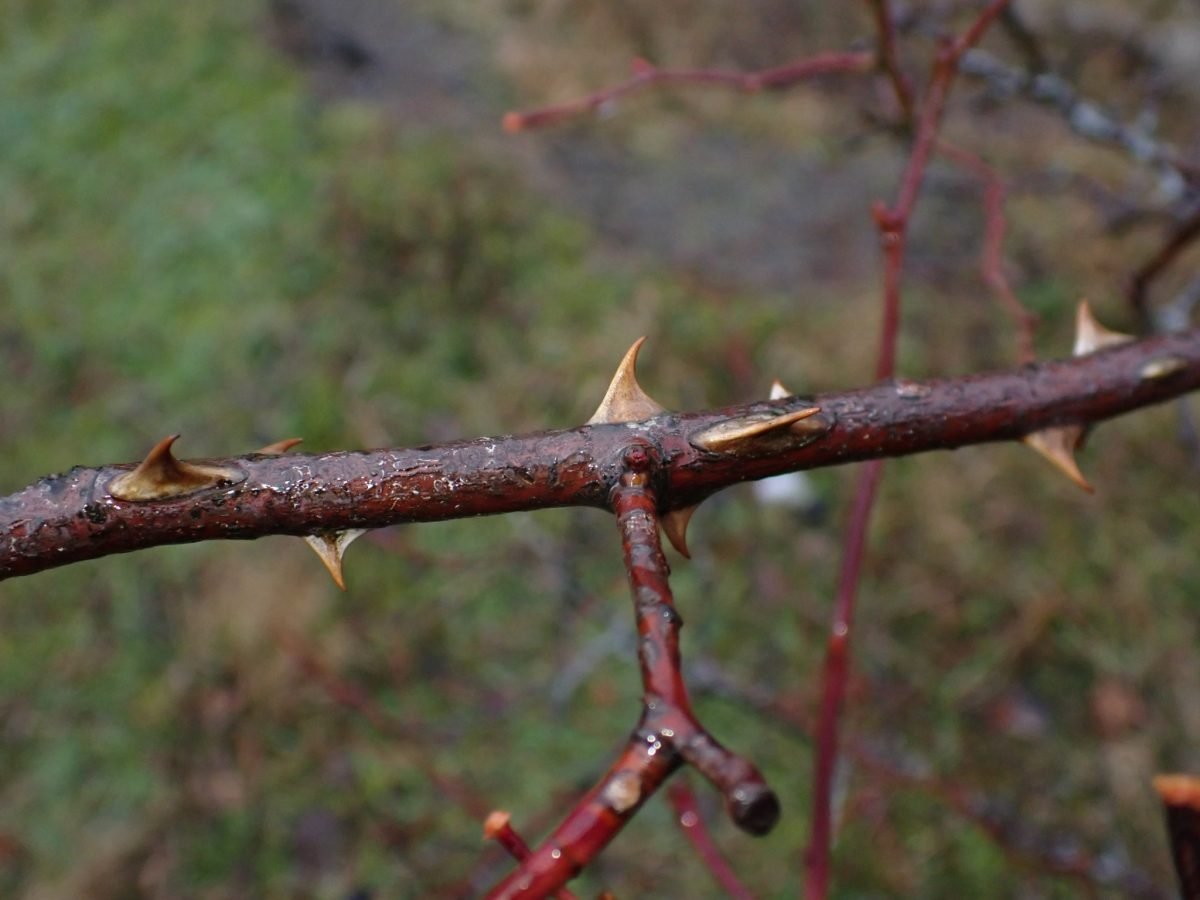
Vigorous and thorny — it will take over a small border. It is also the traditional rootstock for budded roses, so suckers from the base of a grafted rose are often this.
This guidance was researched and written by GardenDecoded — see our editorial policy for how guides are checked and reviewed.
Other names for this plant
These names have all been used for Rosa canina but are no longer the accepted name. You may still meet them on old labels, in books, or in nursery catalogues.
Crepinia aciphylla
Crepinia canina
Crepinia lemaitrei
Crepinia myrtilloides
Crepinia psilophylla
Crepinia surculosa
Crepinia venosa
Rosa aciphylla
Rosa aciphylla var. macropetala
Rosa actinodroma
Rosa adenocalyx
Rosa adenocalyx unranked adenopoda
Rosa adenocalyx unranked gymnopoda
Rosa adscita
Rosa adscita var. orthacantha
Rosa adscita var. typica
Rosa afzeliana
Rosa afzeliana f. alba
Rosa agraria
Rosa agrestina
Rosa albolutescens
Rosa amansii
Rosa ancarensis
Rosa andegavensis f. innersteinensis
Rosa andegavensis f. karlovicensis
Rosa andegavensis f. subertii
Rosa andegavensis f. subsystylis
Rosa andegavensis var. agrestina
Rosa andegavensis var. bihariensis
Rosa andegavensis var. condensata
Rosa andegavensis var. dollineriana
Rosa andegavensis var. oenensis
Rosa armata
Rosa armoricana
Rosa aspratilis
Rosa biserrata f. oenensis
Rosa bourgeomensis
Rosa caesia var. montivaga
Rosa calvatostyla
Rosa canina f. aberrans
Rosa canina f. acrophylla
Rosa canina f. acuminata
Rosa canina f. acuta
Rosa canina f. adscita
Rosa canina f. adunca
Rosa canina f. agraria
Rosa canina f. albolutescens
Rosa canina f. amansii
Rosa canina f. ambigua
Rosa canina f. amoena
Rosa canina f. amphibola
Rosa canina f. anacantha
Rosa canina f. anglica
Rosa canina f. anthocyanea
Rosa canina f. apiculata
Rosa canina f. arenaria
Rosa canina f. argoviensis
Rosa canina f. armata
Rosa canina f. armata
Rosa canina f. arrigens
Others in Rosa
GardenDecoded is an educational gardening reference. Botanical data comes from World Flora Online and GBIF; growing guidance is our own. Always check a plant's toxicity and local invasiveness status before planting, and never eat or apply a plant based on this site alone.