Ribes brandegeei
Black Currant
Ribes nigrum
L. Species
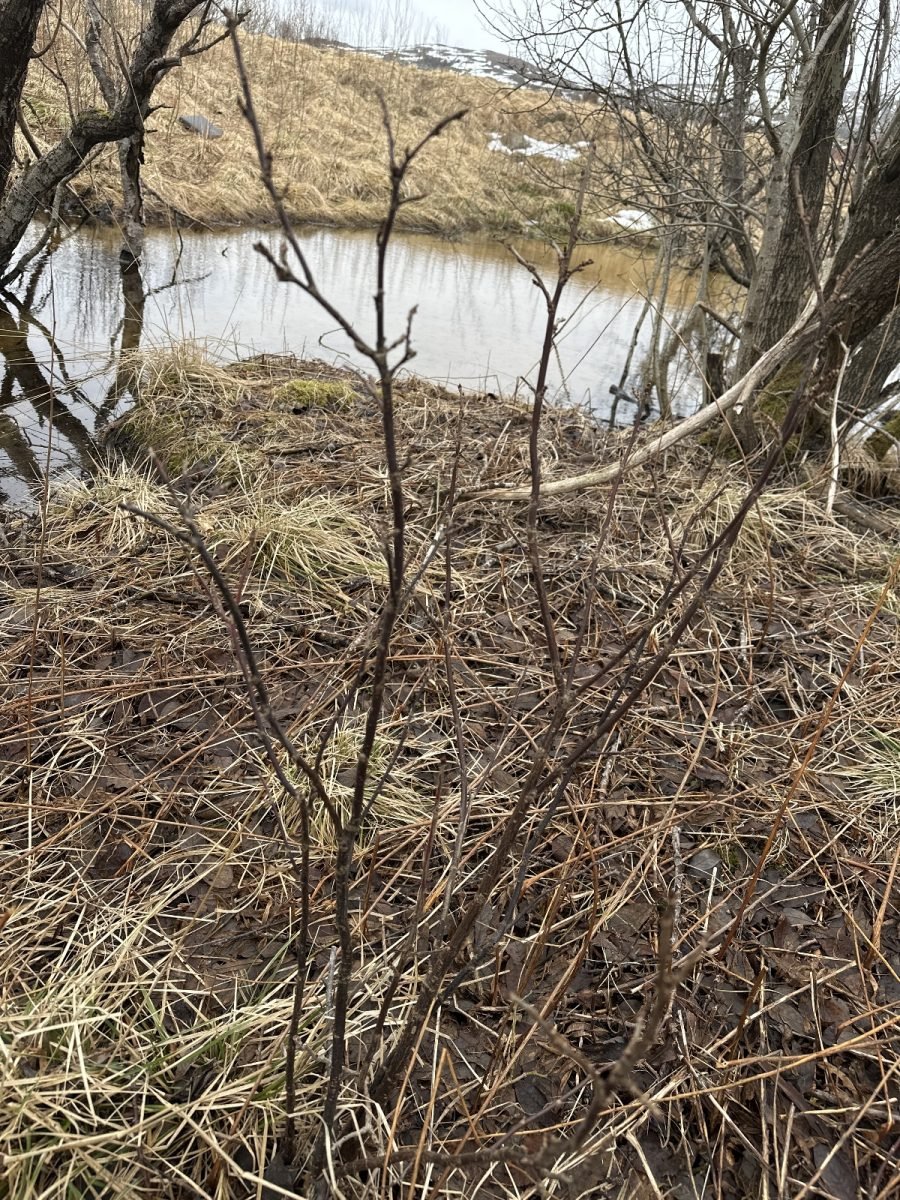
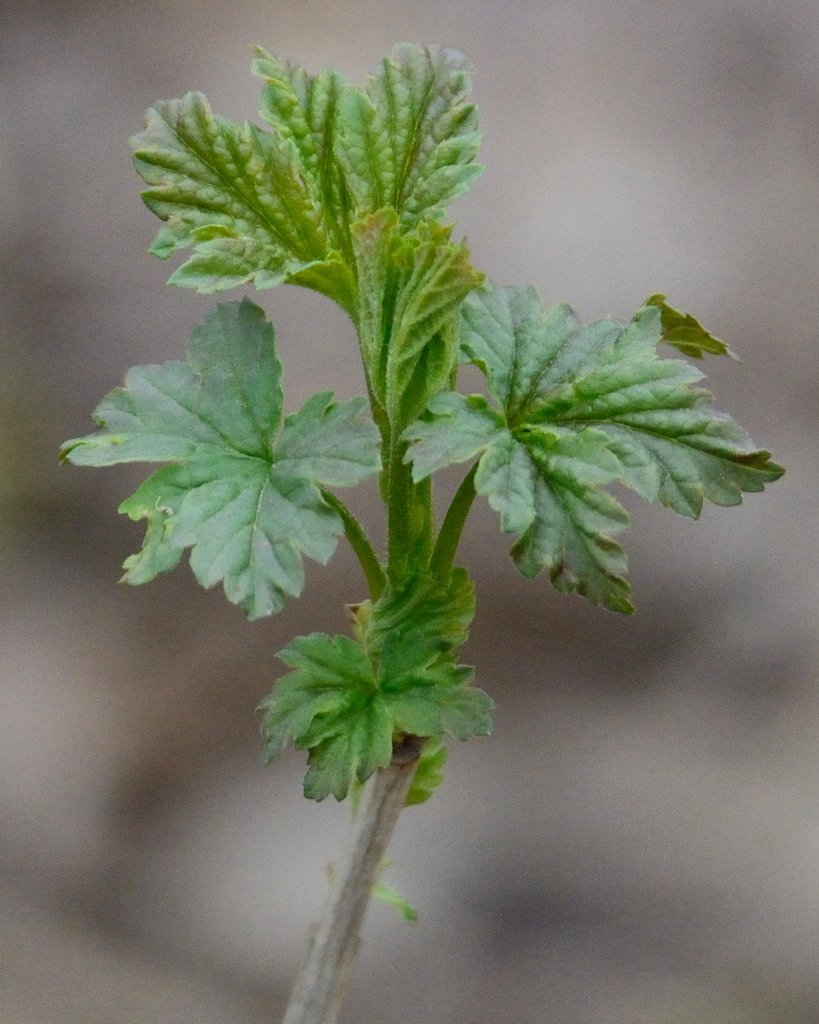
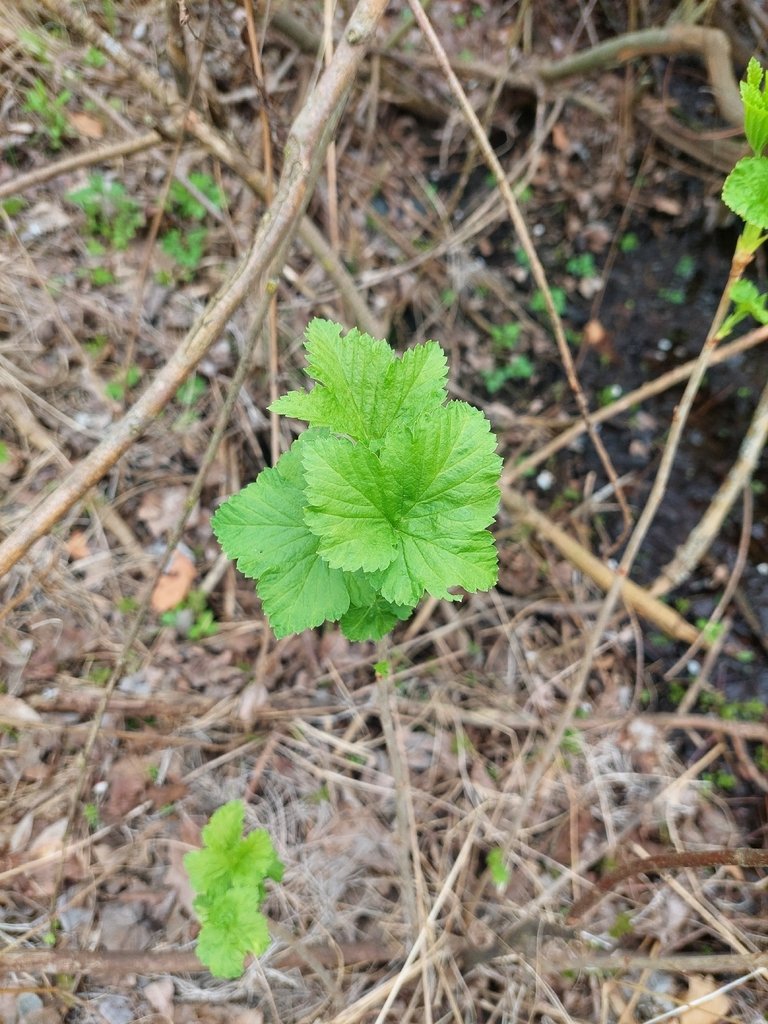
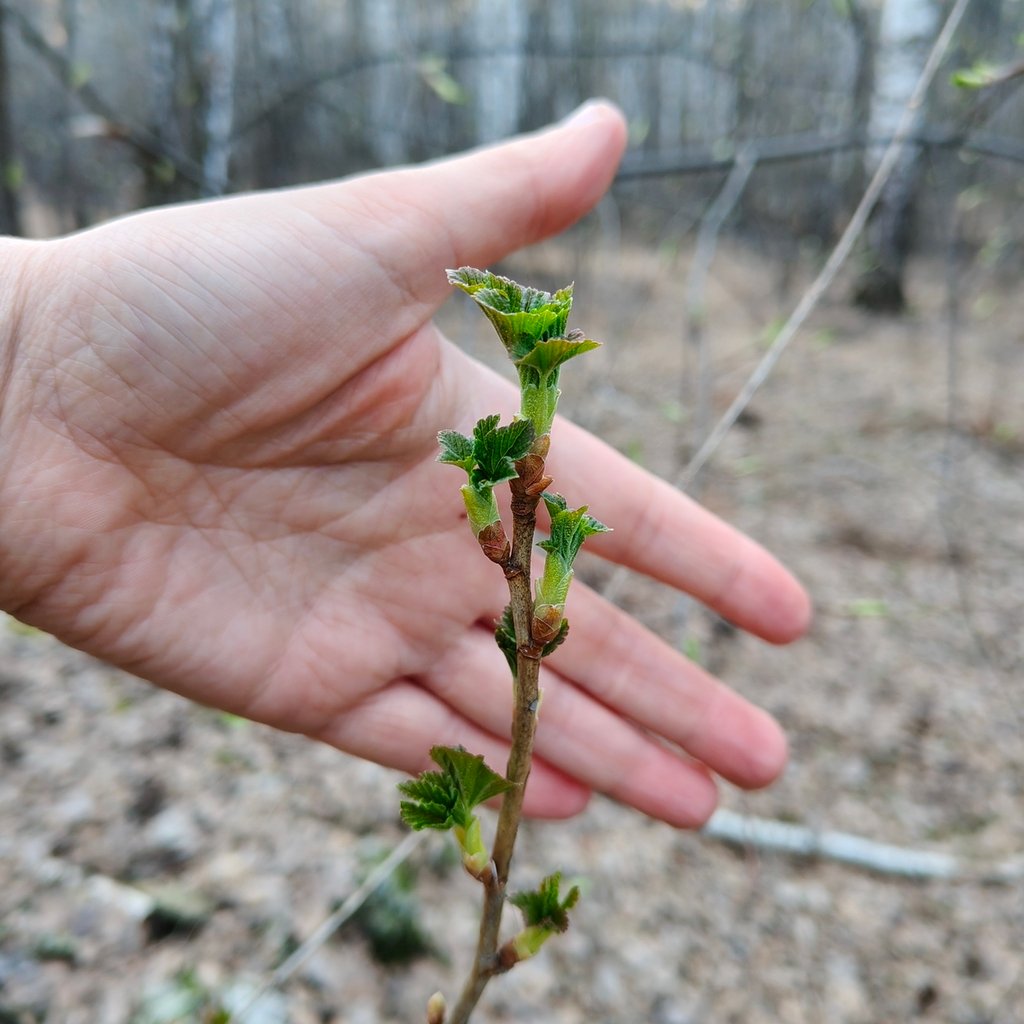

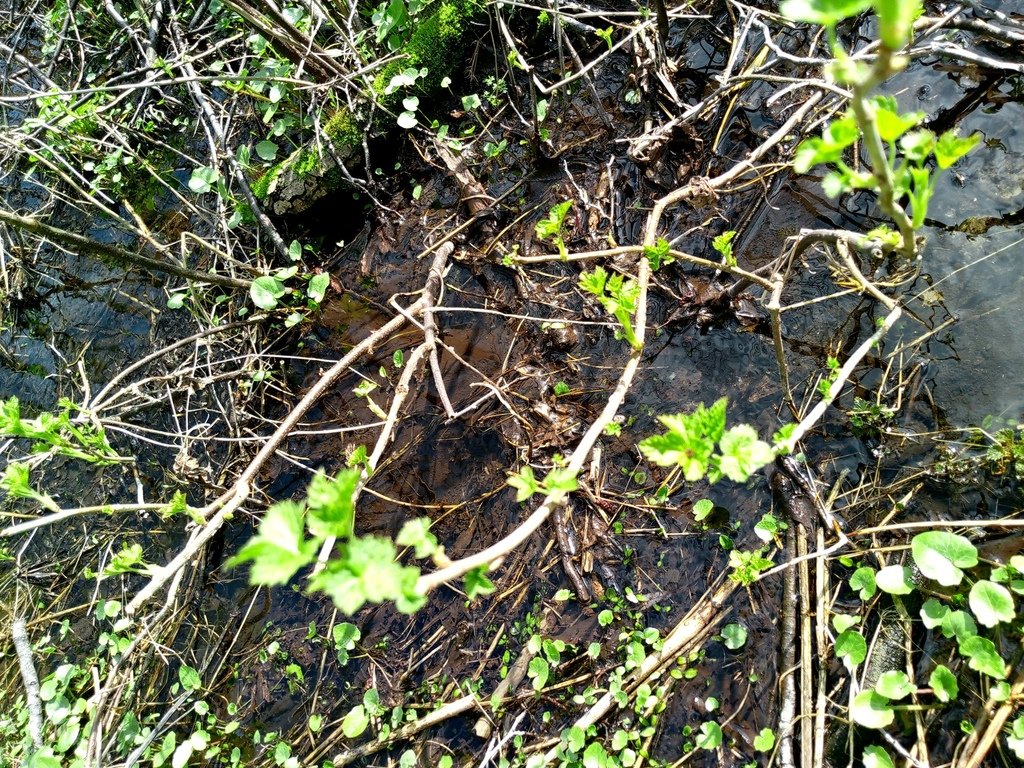
- Botanical name
- Ribes nigrum
- Also known as
- Black Currant, Blackcurrant, Cultivated Black Currant, European Black Currant, Garden Black Currant
- Family
- Grossulariaceae
- Genus
- Ribes
- Flowering period
- April to May
- Height
- 120–180 cm
- Spread
- 120–180 cm
- Hardiness
- Fully hardy (RHS H6)
- Reference
- World Flora Online
How to grow Black Currant
Full sun to light shade
Regular in dry spells, especially while fruit is swelling
Deep, fertile, moisture-retentive soil; tolerates heavier ground
Slightly acid to neutral
Planting
Plant bare-root bushes between late autumn and early spring, or container plants at any time the ground is workable. Set them about 5 cm deeper than they grew in the nursery — blackcurrants fruit on shoots from below ground, and deep planting encourages new stems from the base. Space 1.5 m apart and work in plenty of compost or well-rotted manure.
Pruning
Blackcurrants fruit best on one-year-old wood. From the third winter, cut out roughly a quarter to a third of the oldest stems each year, taking them right down to the base to keep young wood coming. Old dark stems are the ones to remove; pale young shoots are next year's crop.
Propagation
Hardwood cuttings in autumn are reliable: take pencil-thick prunings about 20-25 cm long, leave all the buds on, and push them two-thirds into a slit trench in a spare corner.
Pests and diseases
Big bud mite causes swollen rounded buds and spreads reversion virus, which quietly ruins cropping; there is no cure, so badly affected bushes should be replaced. Blackcurrant leaf spot causes early leaf fall in wet summers. Birds take ripe fruit, so netting is effectively essential.
Value to wildlife
Early flowers are a useful source for bumblebees emerging in spring.
Notes
Feed generously in late winter — blackcurrants are hungry, and nitrogen drives the young growth that carries the crop. Mulch thickly afterwards. Buy certified virus-free stock rather than accepting cuttings of unknown origin.
This guidance was researched and written by GardenDecoded — see our editorial policy for how guides are checked and reviewed.
Other names for this plant
These names have all been used for Ribes nigrum but are no longer the accepted name. You may still meet them on old labels, in books, or in nursery catalogues.
Botrycarpum nigrum
Botrycarpum nigrum
Botryocarpium nigrum
Grossularia nigra
Grossularia nigra
Ribes nigrum subsp. vulgare
Ribesium nigrum
Others in Ribes
GardenDecoded is an educational gardening reference. Botanical data comes from World Flora Online and GBIF; growing guidance is our own. Always check a plant's toxicity and local invasiveness status before planting, and never eat or apply a plant based on this site alone.