Prunus spinosa
Cherry Laurel
Prunus laurocerasus
L. Species
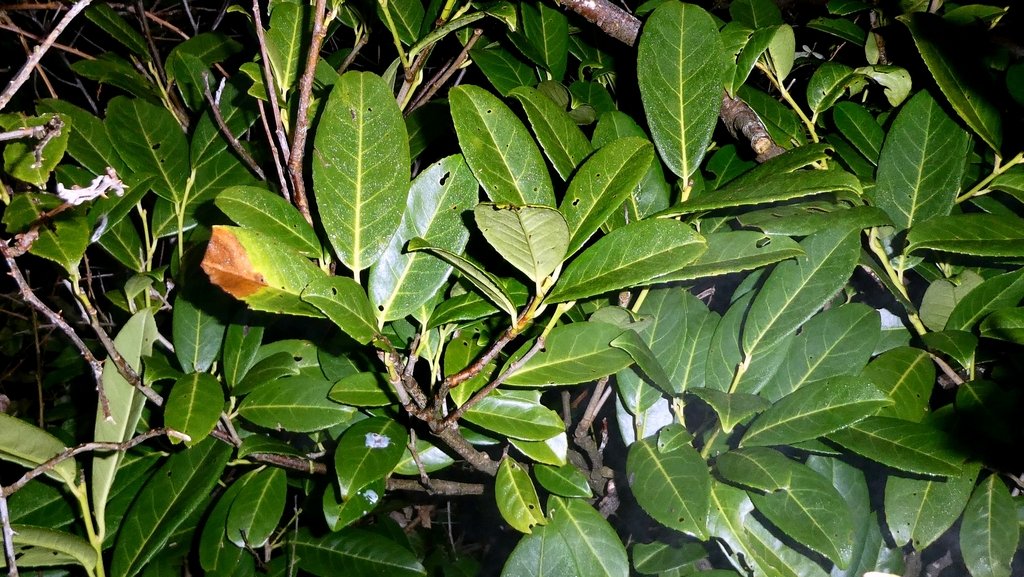
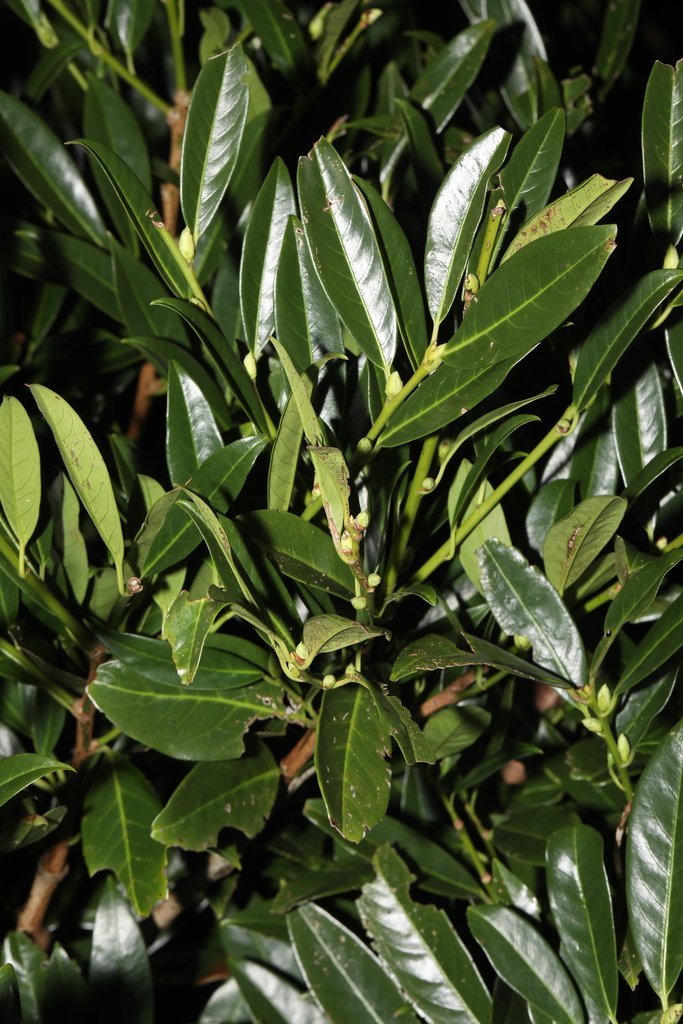

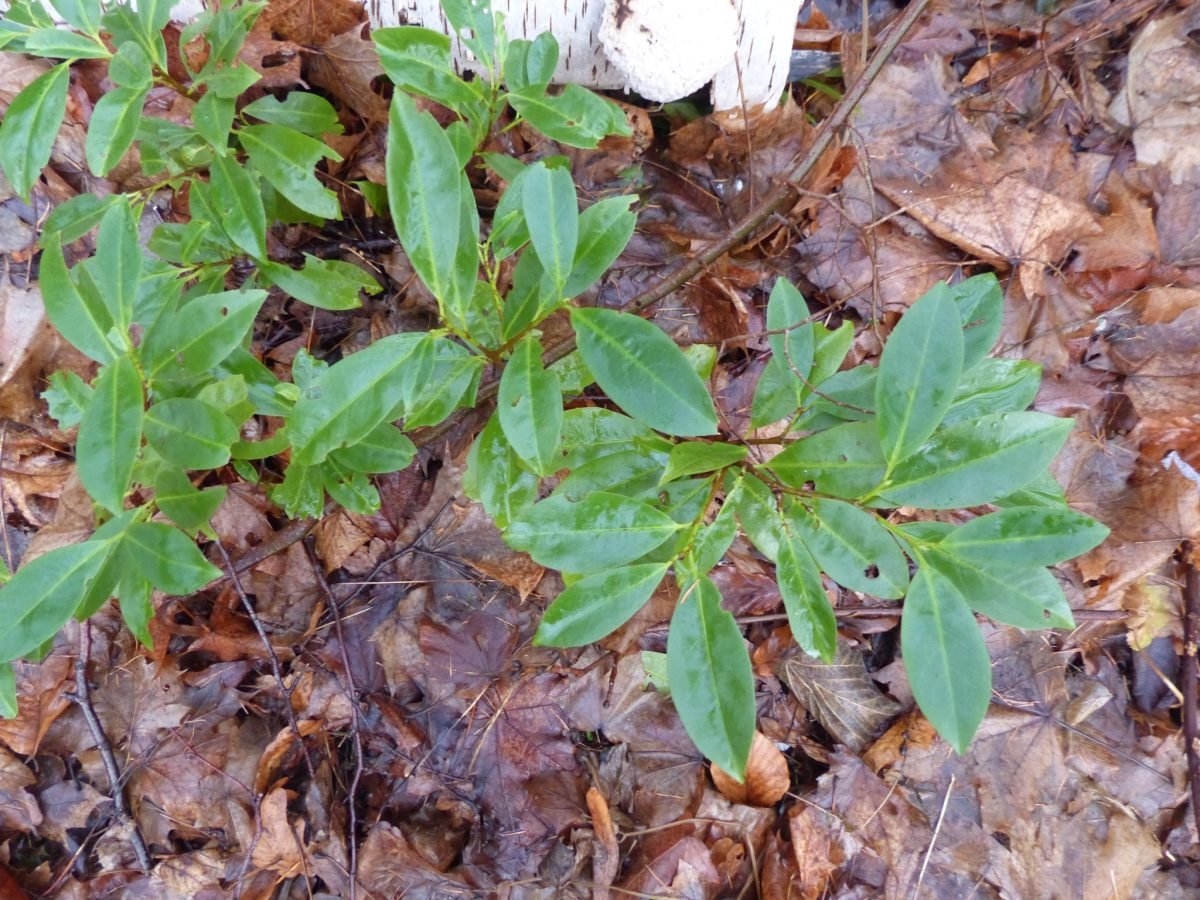
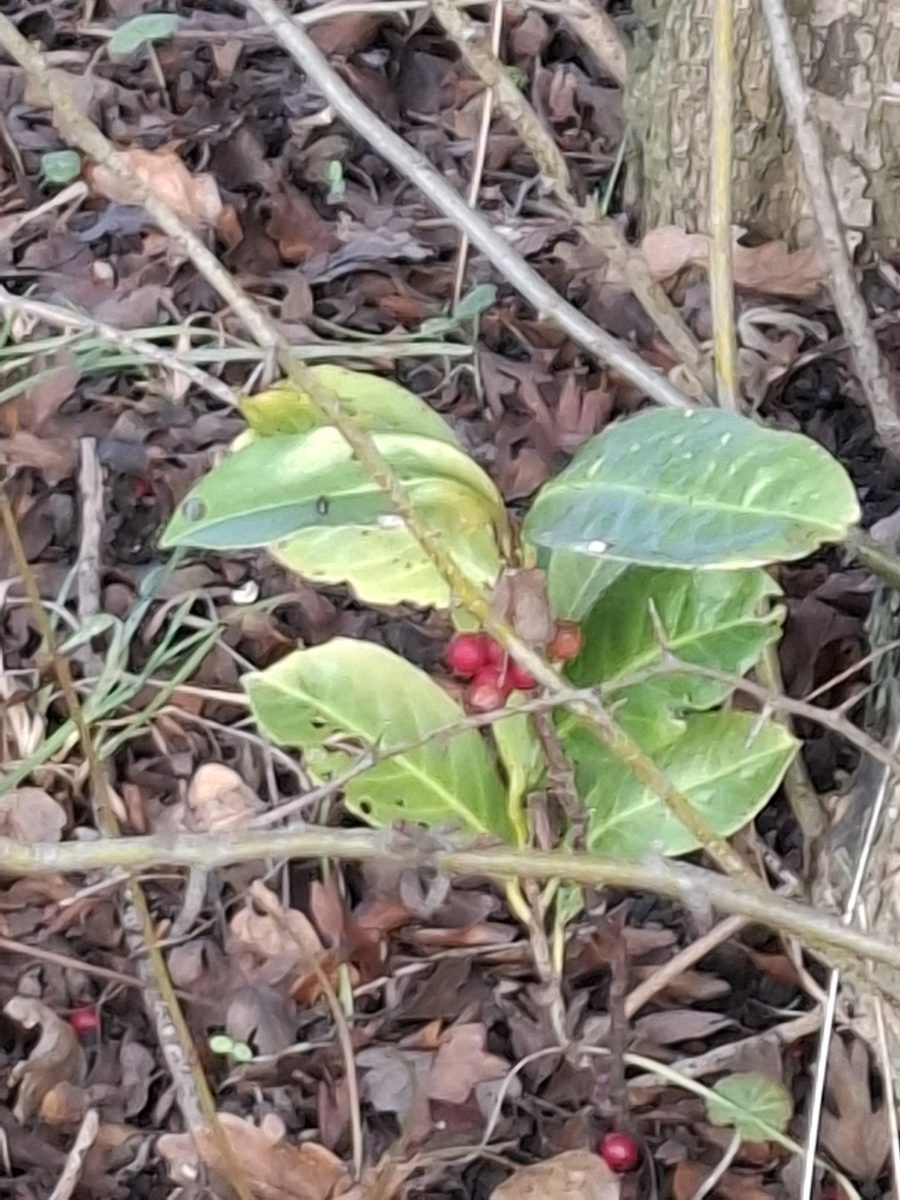
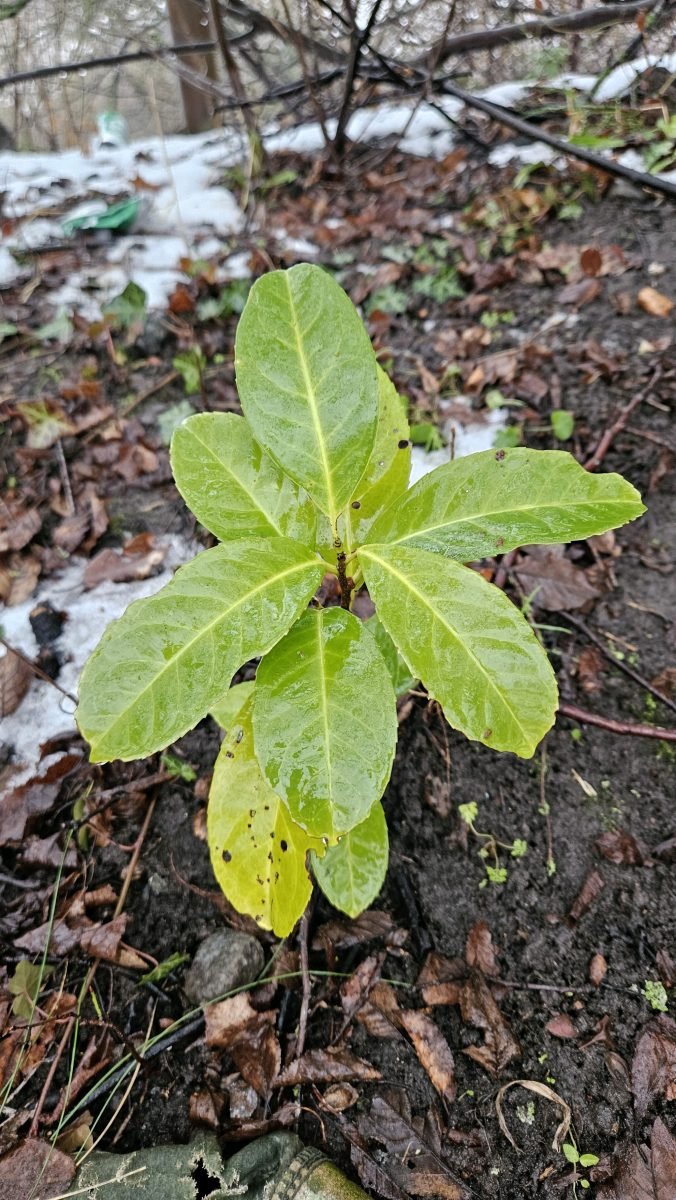
- Botanical name
- Prunus laurocerasus
- Also known as
- Cherry Laurel, Cherry-Laurel
- Family
- Rosaceae
- Genus
- Prunus
- Flowering period
- April to May
- Height
- 4–8 m
- Spread
- 4–8 m
- Hardiness
- Fully hardy (RHS H5)
- Reference
- World Flora Online
How to grow Cherry Laurel
Full sun to deep shade
Low once established
Most well-drained soils; becomes chlorotic on shallow chalk
Acid to neutral
Planting
Plant autumn or spring, spacing hedging about 60–90 cm apart. It is one of the few evergreens that will make a dense screen in deep dry shade, and it grows fast — which is both why people plant it and why they regret it.
Pruning
Trim in late spring or summer. Use secateurs rather than a hedge trimmer if you can face it: shearing cuts the large leaves in half and leaves brown ragged edges for weeks. It regenerates well from hard cutting into old wood.
Propagation
Semi-ripe cuttings in late summer root very easily, as do hardwood cuttings in autumn.
Pests and diseases
Shot hole is very common, leaving small round holes in the leaves; it is largely cosmetic. Powdery mildew affects young growth, and vine weevil grubs can damage plants in containers.
Value to wildlife
Provides dense nesting cover and the flowers are worked by bees, but the dark evergreen canopy suppresses ground flora and the shrub supports few native invertebrates.
Notes
Berries are spread by birds and seedlings appear readily, and cherry laurel has become invasive in woodland in parts of the UK — do not plant it near semi-natural woodland, and dispose of prunings responsibly. All parts are known to be poisonous, so check its toxicity before planting where children or pets have access, and note that the cut foliage releases cyanide compounds and should not be composted in a confined space.
This guidance was researched and written by GardenDecoded — see our editorial policy for how guides are checked and reviewed.
Other names for this plant
These names have all been used for Prunus laurocerasus but are no longer the accepted name. You may still meet them on old labels, in books, or in nursery catalogues.
Cerasus laurocerasus
Cerasus laurocerasus
Cerasus laurocerasus f. angustifolia
Cerasus laurocerasus subvar. rotundifolia
Cerasus laurocerasus unranked capensis
Cerasus laurocerasus unranked colchica
Cerasus laurocerasus unranked parvifolia
Cerasus laurocerasus unranked variegata
Cerasus laurocerasus var. angustifolia
Cerasus laurocerasus var. camtschatica
Cerasus laurocerasus var. caucasica
Cerasus laurocerasus var. colchica
Cerasus laurocerasus var. erecta
Cerasus laurocerasus var. intermedia
Cerasus laurocerasus var. latifolia
Cerasus laurocerasus var. laurifolius
Cerasus laurocerasus var. longifolia
Cerasus laurocerasus var. microphylla
Cerasus laurocerasus var. myrtifolia
Cerasus laurocerasus var. otini
Cerasus laurocerasus var. pumilio
Cerasus laurocerasus var. rotundifolia
Lauro-cerasus macrophylla
Lauro-cerasus officinalis
Lauro-cerasus officinalis f. angustifolia
Lauro-cerasus officinalis f. camelliifolia
Lauro-cerasus officinalis f. caucasica
Lauro-cerasus officinalis f. colchica
Lauro-cerasus officinalis f. magnoliifolia
Lauro-cerasus officinalis f. mischeana
Lauro-cerasus officinalis f. parvifolia
Lauro-cerasus officinalis f. schipkaensis
Lauro-cerasus officinalis f. serbica
Lauro-cerasus officinalis f. zabeliana
Lauro-cerasus officinalis f. zabeliana
Lauro-cerasus officinalis var. brachystachys
Lauro-cerasus officinalis var. schipkaensis
Lauro-cerasus otinii
Lauro-cerasus vulgaris
Lauro-cerasus vulgaris unranked angustifolia
Lauro-cerasus vulgaris unranked longifolia
Lauro-cerasus vulgaris unranked rotundifolia
Laurocerasus officinalis
Laurocerasus otinii
Laurocerasus ottinii
Laurocerasus vulgaris
Padus laurocerasus
Prunus grandifolia
Prunus laurocerasus f. angustifolia
Prunus laurocerasus f. benardii
Prunus laurocerasus f. camelliifolia
Prunus laurocerasus f. caucasica
Prunus laurocerasus f. colchica
Prunus laurocerasus f. compacta
Prunus laurocerasus f. fiesseriana
Prunus laurocerasus f. latifolia
Prunus laurocerasus f. magnoliifolia
Prunus laurocerasus f. microphylla
Prunus laurocerasus f. otinii
Prunus laurocerasus f. parvifolia
Others in Prunus
GardenDecoded is an educational gardening reference. Botanical data comes from World Flora Online and GBIF; growing guidance is our own. Always check a plant's toxicity and local invasiveness status before planting, and never eat or apply a plant based on this site alone.