Lilium martagon
Madonna Lily
Lilium candidum
L. Species



- Botanical name
- Lilium candidum
- Also known as
- Madonna Lily, White Lily
- Family
- Liliaceae
- Genus
- Lilium
- Flowering period
- June to July
- Height
- 100–180 cm
- Spread
- 20–30 cm
- Hardiness
- Fully hardy (RHS H6)
- Reference
- World Flora Online
How to grow Madonna Lily
Full sun with the base of the stem shaded
Moderate in growth; dry summer conditions after flowering
Sharply drained, moderately fertile soil
Neutral to alkaline
Planting
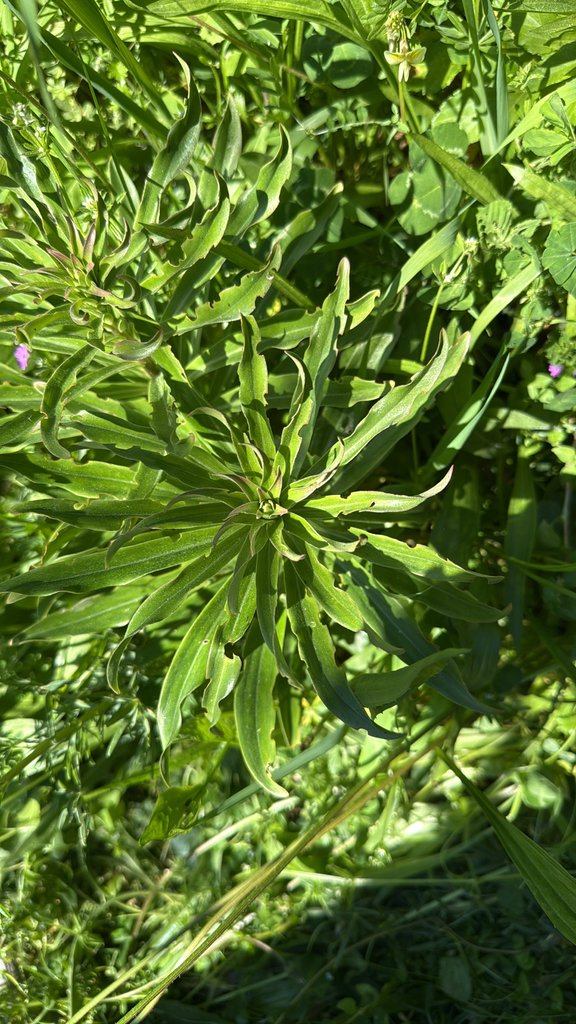
This lily breaks all the usual lily rules. Plant in late summer, not spring, and plant shallowly with only about 3–5 cm of soil over the bulb — deep planting is the most common cause of failure. It also wants alkaline soil and full sun, unlike most garden lilies, and it produces a rosette of overwintering leaves in autumn.
Pruning
Remove the flowered heads and cut the stem down once it has yellowed. Do not clear the autumn basal rosette; that is next year's growth.
Propagation
Separate offsets during the short dormant period in mid to late summer, replanting immediately. Scaling is possible but this species is less amenable to it than most lilies.
Pests and diseases
Scarlet lily beetle is the main pest and must be picked off by hand from spring onwards. Botrytis is a recurring problem on this species in wet summers, marking and killing the leaves from the bottom up.
Value to wildlife
The strongly scented white trumpets attract bees by day and moths in the evening.
Notes
It resents disturbance and often sulks for a year after moving, then settles for decades. Note that lilies are well known to be dangerous to cats, and gardeners should check the plant's toxicity before growing it where cats have access.
This guidance was researched and written by GardenDecoded — see our editorial policy for how guides are checked and reviewed.
Other names for this plant
These names have all been used for Lilium candidum but are no longer the accepted name. You may still meet them on old labels, in books, or in nursery catalogues.
Lilium album
Lilium candidum f. peregrinum
Lilium candidum f. striatum
Lilium candidum subsp. peregrinum
Lilium candidum var. aureomarginatum
Lilium candidum var. cernuum
Lilium candidum var. monstruosum
Lilium candidum var. peregrinum
Lilium candidum var. peregrinum
Lilium candidum var. plenum
Lilium candidum var. purpureostriatum
Lilium candidum var. purpureum
Lilium candidum var. rubrolineatum
Lilium candidum var. salonikae
Lilium candidum var. striatum
Lilium candidum var. variegatum
Lilium peregrinum
Lilium striatum
Others in Lilium
GardenDecoded is an educational gardening reference. Botanical data comes from World Flora Online and GBIF; growing guidance is our own. Always check a plant's toxicity and local invasiveness status before planting, and never eat or apply a plant based on this site alone.