Lilium × elegans
Martagon Lily
Lilium martagon
L. Species


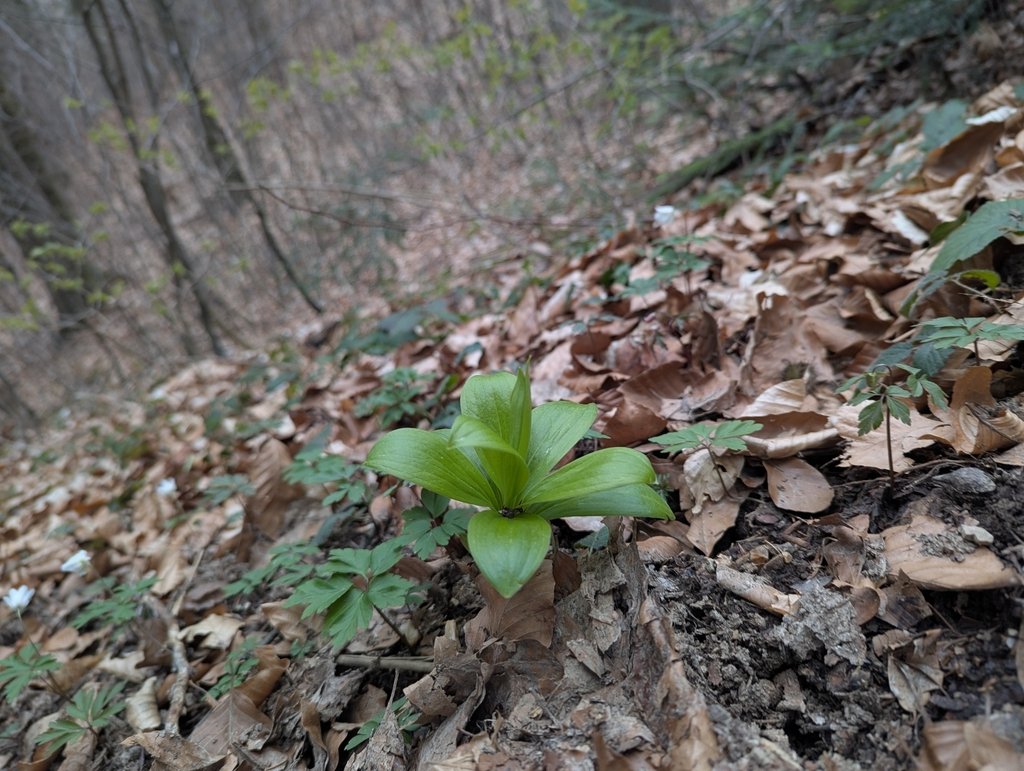

- Botanical name
- Lilium martagon
- Also known as
- Martagon, Martagon Lily, Turban Lily, Turk's-Cap, Turk's-Cap Lily, Turkscap Lily
- Family
- Liliaceae
- Genus
- Lilium
- Flowering period
- June to July
- Height
- 90–150 cm
- Spread
- 20–30 cm
- Hardiness
- Fully hardy (RHS H6)
- Reference
- World Flora Online
How to grow Martagon Lily
Partial shade to dappled sun
Moderate; keep evenly moist but never waterlogged
Well-drained, humus-rich soil; tolerates chalk
Neutral to alkaline
Planting
Plant bulbs in autumn about 15 cm deep in light woodland conditions — under deciduous shrubs, at the back of a shaded border, or naturalised in rough grass. It is one of the few lilies genuinely happy in shade and on chalk, and it is long-lived once settled.
Pruning
Deadhead if you do not want seed, or leave the pods to ripen and self-sow. Cut the stems down after they yellow in autumn.
Propagation
Self-sows where conditions suit, though seedlings take around five to seven years to reach flowering size. Scaling in late summer gives faster results but still requires patience.
Pests and diseases
Scarlet lily beetle is the main problem — check plants regularly from April and remove the adults and the grubs, which cover themselves in their own excrement. Botrytis affects the foliage in wet seasons.
Value to wildlife
The recurved nodding flowers are pollinated mainly by long-tongued moths in the evening, and the scent is strongest at dusk. Bumblebees also visit during the day.
Notes
Newly planted bulbs frequently do nothing in the first year and sometimes skip the second as well — this is normal, not failure, so do not dig them up to check. The scent is often described as unpleasant at close range, so site it away from a seating area. Lilies are well known to be dangerous to cats; check toxicity before planting where cats have access.
This guidance was researched and written by GardenDecoded — see our editorial policy for how guides are checked and reviewed.
Other names for this plant
These names have all been used for Lilium martagon but are no longer the accepted name. You may still meet them on old labels, in books, or in nursery catalogues.
Lilium martagon subsp. caucasicum
Lilium versicolor
Others in Lilium
GardenDecoded is an educational gardening reference. Botanical data comes from World Flora Online and GBIF; growing guidance is our own. Always check a plant's toxicity and local invasiveness status before planting, and never eat or apply a plant based on this site alone.