Iris × germanica
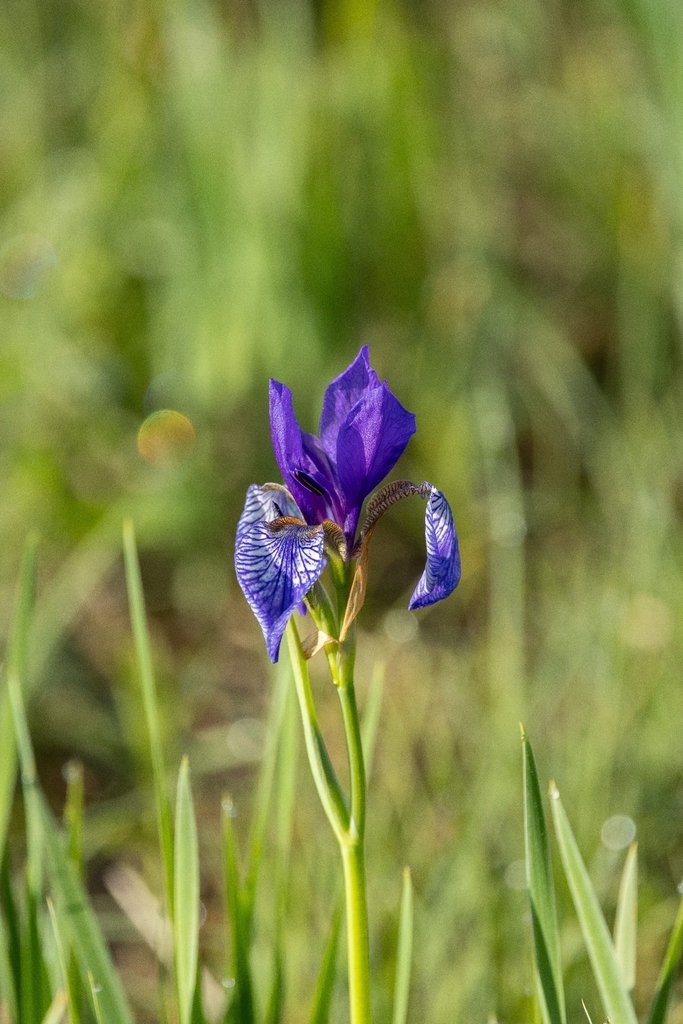
Siberian Iris
Iris sibirica
L. Species


- Botanical name
- Iris sibirica
- Also known as
- Siberian Iris, Turkish Iris
- Family
- Iridaceae
- Genus
- Iris
- Flowering period
- May to June
- Height
- 60–100 cm
- Spread
- 45–60 cm
- Hardiness
- Fully hardy (RHS H7)
- Reference
- World Flora Online
How to grow Siberian Iris
Full sun to light shade
Moderate to high; tolerates damp ground
Moisture-retentive, fertile; happy in heavy soil
Neutral to slightly acid
Planting
Plant in autumn or spring with the crown just below the surface, unlike bearded iris. It suits the damp end of a border or a pond margin, but will not sit in standing water all year. Allow a couple of seasons for a new plant to settle before expecting a full display.
Pruning
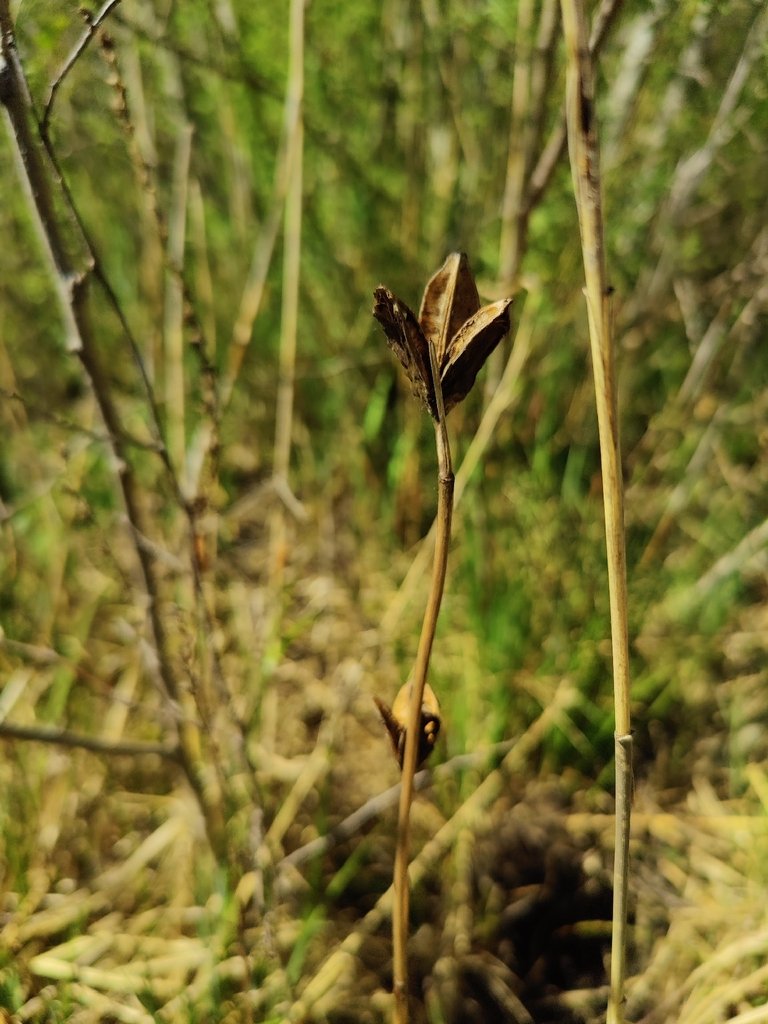
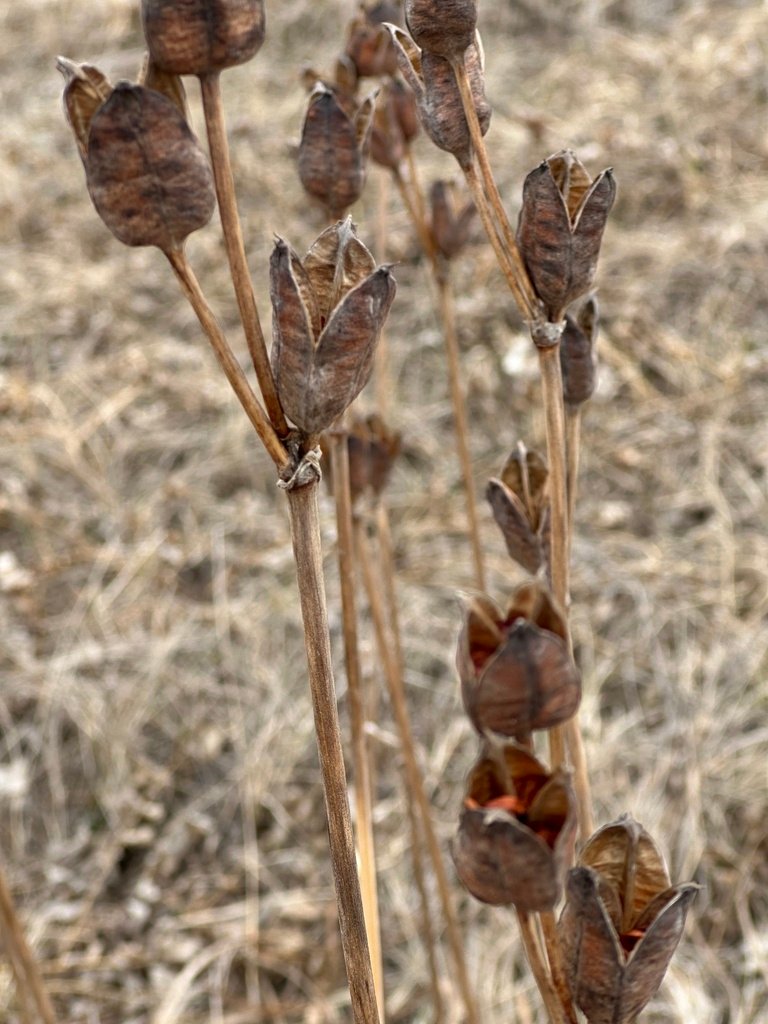
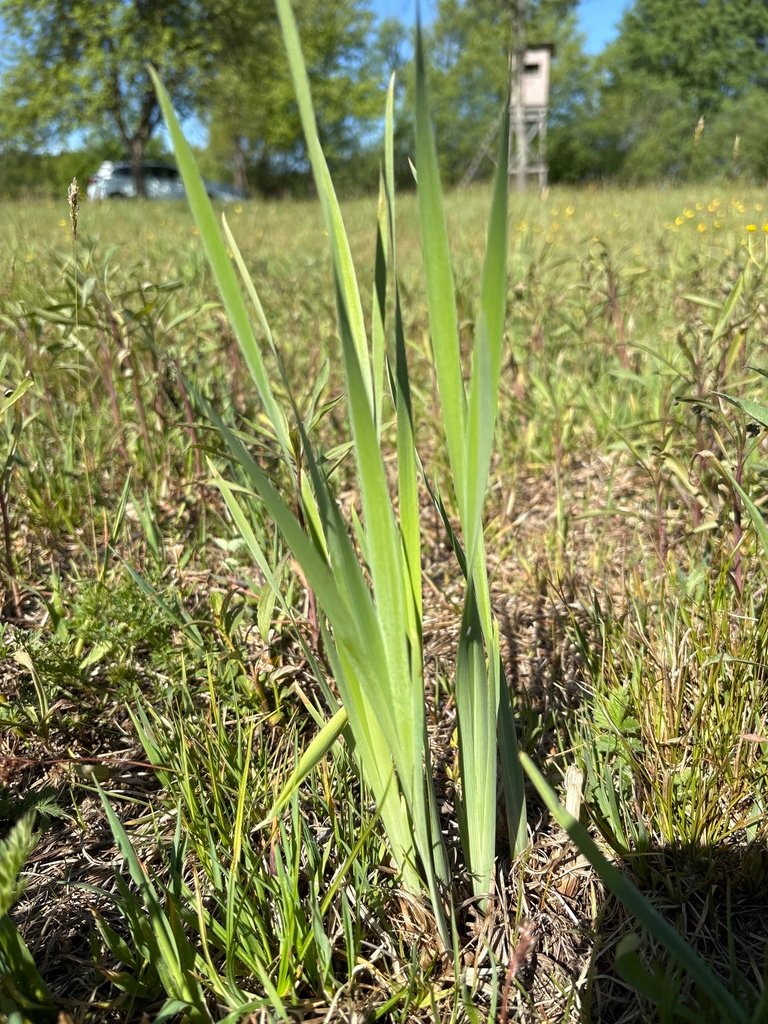
Leave the seed heads if you want winter structure, otherwise cut flower stems out at the base. Cut the grassy foliage down in late winter before new growth starts.
Propagation
Divide established clumps in early autumn or spring, using two forks back to back — the root mass is tough. Water divisions well until they root, as they sulk if allowed to dry out.
Pests and diseases
Generally trouble-free in UK gardens. Slugs may graze new shoots in spring but rarely do lasting harm.
Value to wildlife
Bees work the flowers, and the dense clump of narrow foliage provides good cover at the edge of a pond.
Notes
Much easier than bearded iris on clay and in wetter gardens. It resents being moved and often skips a year of flowering afterwards, so divide only when the clump is genuinely congested.
This guidance was researched and written by GardenDecoded — see our editorial policy for how guides are checked and reviewed.
Other names for this plant
These names have all been used for Iris sibirica but are no longer the accepted name. You may still meet them on old labels, in books, or in nursery catalogues.
Biris sibirica
Iris acuta
Iris angustifolia
Iris bicolor
Iris erirrhiza
Iris flexuosa
Iris mandraliscae
Iris maritima
Iris pratensis
Iris pseudosibirica
Iris sibirica f. albiflora
Iris sibirica var. acuta
Iris sibirica var. albida
Iris sibirica var. angustifolia
Iris sibirica var. erirrhiza
Iris sibirica var. flexuosa
Iris sibirica var. haematophylla
Iris sibirica var. pallida
Iris sibirica var. stenopetala
Iris sibirica var. typica
Iris spathulata
Iris stricta
Ixia angustifolia
Limnirion sibiricum
Limniris sibirica
Xiphion flexuosum
Xiphion pratense
Xiphion sibiricum
Xyridion flexuosum
Xyridion sibiricum
Others in Iris
GardenDecoded is an educational gardening reference. Botanical data comes from World Flora Online and GBIF; growing guidance is our own. Always check a plant's toxicity and local invasiveness status before planting, and never eat or apply a plant based on this site alone.