Helleborus niger
Lenten-Rose
Helleborus orientalis
Lam. Species
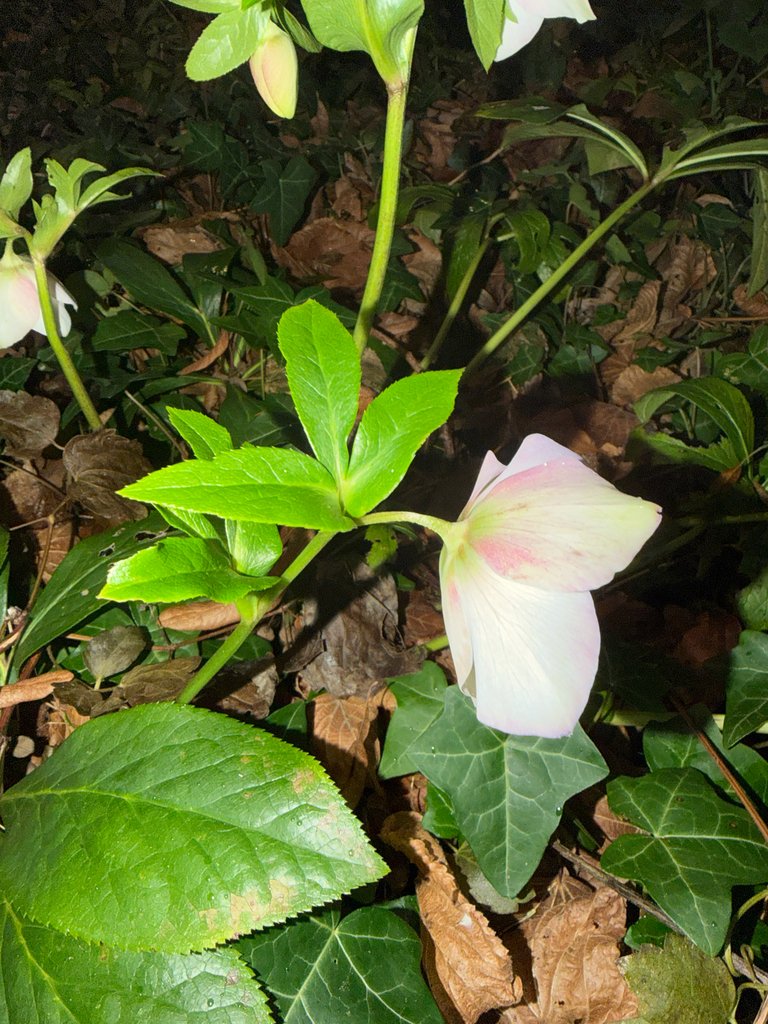


- Botanical name
- Helleborus orientalis
- Also known as
- Lenten-Rose
- Family
- Ranunculaceae
- Genus
- Helleborus
- Flowering period
- February to April
- Height
- 40–50 cm
- Spread
- 40–60 cm
- Hardiness
- Fully hardy (RHS H7)
- Reference
- World Flora Online
How to grow Lenten-Rose
Partial shade
Moderate; keep evenly moist
Moist, humus-rich, well-drained
Neutral to alkaline
Planting
Plant in autumn or spring in dappled shade, ideally under deciduous shrubs or trees where it gets winter light and summer shade. Improve the soil with leaf mould or compost and mulch each autumn. It is considerably easier to please than Helleborus niger.
Pruning
Cut all the old leaves off at the base in late December or January, before the flower stems come up. This shows the flowers properly and, more importantly, removes the main source of hellebore leaf spot spores. Deadhead in spring unless you want seedlings.
Propagation
Division after flowering or in early autumn is the only way to keep a particular plant true. Seed is plentiful and germinates well, but seedlings are variable and take three years or more to flower.
Pests and diseases
Hellebore leaf spot is the common problem and is much reduced by the annual leaf removal. Aphids gather inside the flowers in spring, and vine weevil affects container plants.
Value to wildlife
The flowers open in late winter and provide early nectar and pollen for bumblebee queens and honeybees.
Notes
Seedlings appear in quantity around established plants and are rarely as good as the parent, so weed most of them out. Hellebores are widely known to be poisonous and the sap can irritate skin, so wear gloves when cutting back and check the plant's safety information before siting it where children or pets have access.
This guidance was researched and written by GardenDecoded — see our editorial policy for how guides are checked and reviewed.
Other names for this plant
These names have all been used for Helleborus orientalis but are no longer the accepted name. You may still meet them on old labels, in books, or in nursery catalogues.
Helleborus abchasicus
Helleborus antiquorum
Helleborus caucasicus
Helleborus guttatus
Helleborus heyderi
Helleborus kochii
Helleborus officinalis
Helleborus olympicus
Helleborus orientalis subsp. abchasicus
Helleborus orientalis subsp. guttatus
Helleborus ponticus
Others in Helleborus
GardenDecoded is an educational gardening reference. Botanical data comes from World Flora Online and GBIF; growing guidance is our own. Always check a plant's toxicity and local invasiveness status before planting, and never eat or apply a plant based on this site alone.