Allium × tokaliense
Cultivated Garlic
Allium sativum
L. Species

- Botanical name
- Allium sativum
- Also known as
- Cultivated Garlic, Garden Garlic, Garlic
- Family
- Amaryllidaceae
- Genus
- Allium
- Height
- 30–60 cm
- Spread
- 10–15 cm
- Hardiness
- Fully hardy (RHS H6)
- Reference
- World Flora Online
How to grow Cultivated Garlic
Full sun
Low to moderate; keep just moist in spring, stop watering as the bulbs mature
Light, free-draining soil; add compost the autumn before planting
Neutral to slightly alkaline
Planting
Plant individual cloves, pointed end up, in October or November — most varieties need a cold spell to split into a proper bulb. Set them about 2–3 cm deep, 15 cm apart, in rows 30 cm apart. On heavy wet soil, start the cloves in modules in a cold frame and plant out in late winter instead. Use certified seed garlic, not supermarket bulbs, which may carry disease and are often unsuited to the UK climate.
Pruning
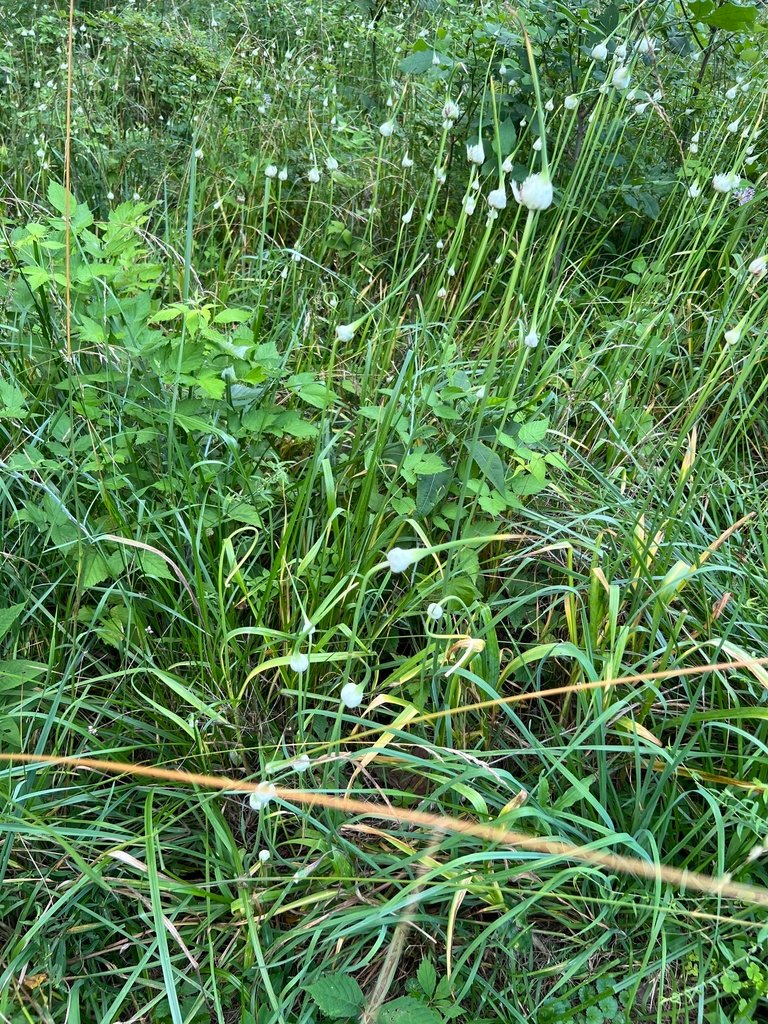
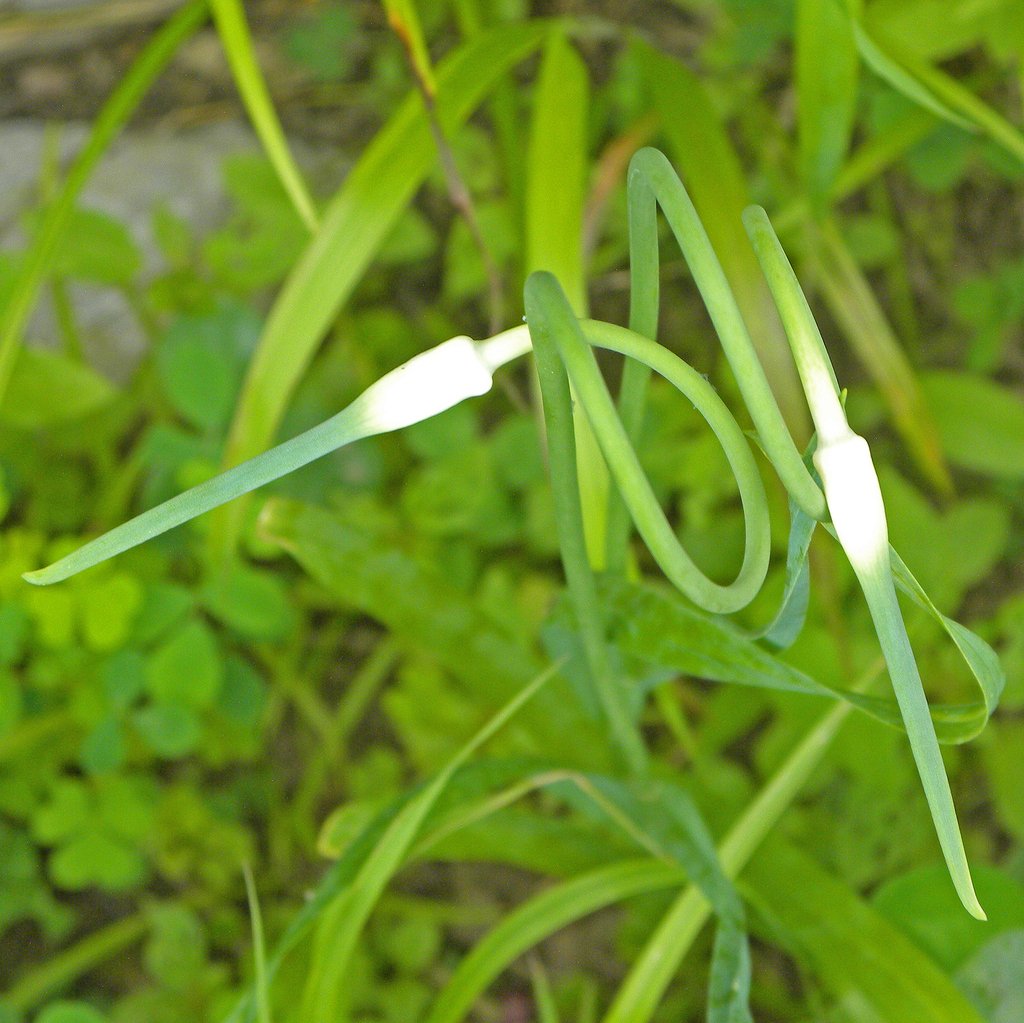
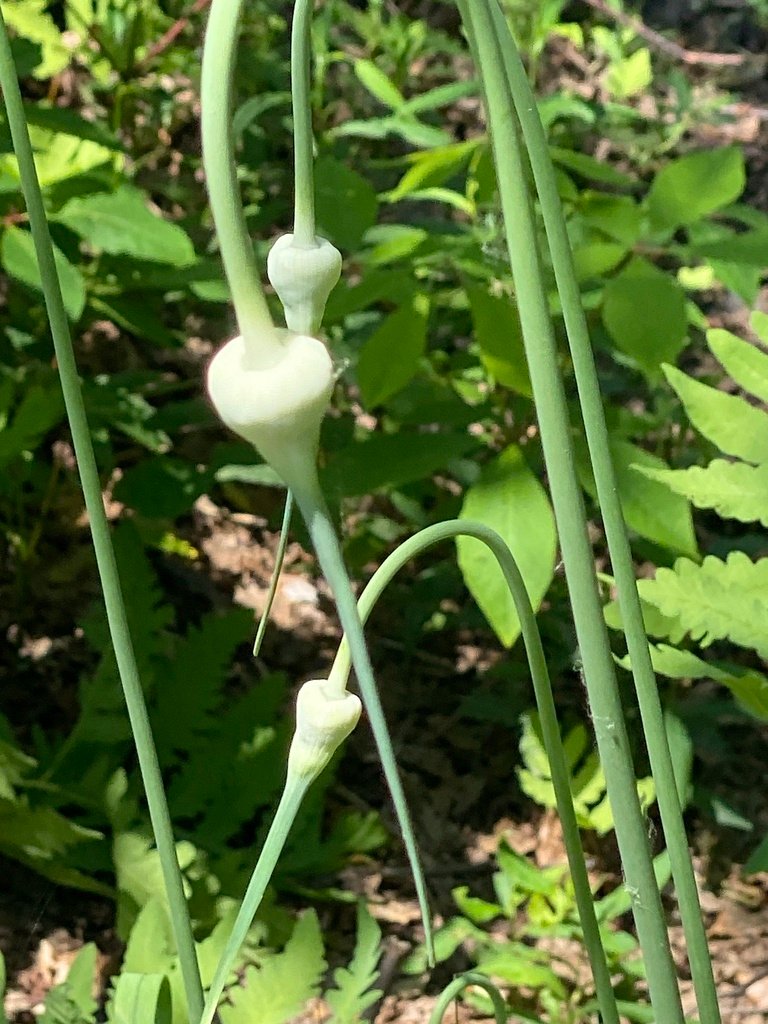
Not applicable, but remove the flower stalks (scapes) that hardneck types throw up in early summer — leaving them on reduces bulb size. The scapes are worth eating.
Propagation
By replanting individual cloves from your best bulbs, though after a few generations home-saved stock tends to accumulate disease and is worth replacing.
Pests and diseases
White rot is the serious one: it produces fluffy white fungus and rotting at the base, persists in the soil for many years, and means you should not grow any allium on that ground again. Rust shows as orange pustules on the leaves in damp seasons and reduces the crop without killing it. Allium leaf miner is now widespread — cover the crop with fine mesh.
Notes
Lift in summer once about half the leaves have yellowed, rather than waiting for them all to go over, or the bulbs start to split. Dry the bulbs thoroughly in an airy place out of rain before storing. Rotate alliums around the plot on at least a three-year cycle.
This guidance was researched and written by GardenDecoded — see our editorial policy for how guides are checked and reviewed.
Other names for this plant
These names have all been used for Allium sativum but are no longer the accepted name. You may still meet them on old labels, in books, or in nursery catalogues.
Allium arenarium
Allium controversum
Allium longicuspis
Allium ophioscorodon
Allium pekinense
Allium sativum f. asiae-mediae
Allium sativum f. pekinense
Allium sativum f. sagittatum
Allium sativum f. vulgare
Allium sativum subsp. asiaemediae
Allium sativum subsp. controversum
Allium sativum subsp. ophioscorodon
Allium sativum subsp. subrotundum
Allium sativum var. controversum
Allium sativum var. ophioscorodon
Allium sativum var. pekinense
Allium sativum var. sagittatum
Allium sativum var. sativum
Allium sativum var. subrotundum
Allium sativum var. vulgare
Allium scorodoprasum subsp. viviparum
Allium scorodoprasum var. multibulbillosum
Allium scorodoprasum var. viviparum
Porrum ophioscorodon
Porrum sativum
Others in Allium
GardenDecoded is an educational gardening reference. Botanical data comes from World Flora Online and GBIF; growing guidance is our own. Always check a plant's toxicity and local invasiveness status before planting, and never eat or apply a plant based on this site alone.