Acer palmatum
Field Maple
Acer campestre
L. Species



- Botanical name
- Acer campestre
- Also known as
- Field Maple, Hedge Maple
- Family
- Sapindaceae
- Genus
- Acer
- Flowering period
- April to May
- Height
- 8–15 m
- Spread
- 6–10 m
- Hardiness
- Fully hardy (RHS H7)
- Reference
- World Flora Online
How to grow Field Maple
Full sun to partial shade
Low once established
Most soils, including chalk and heavy clay; tolerates dry conditions
Acid, neutral or alkaline
Planting
Plant bare-root whelps or standards between November and March. Our only native maple, it is one of the most adaptable small trees for UK gardens and tolerates exposure, chalk and urban conditions.
Pruning
Prune in late summer or autumn rather than late winter, as maples bleed sap heavily when cut in spring. As a hedge it can be trimmed once or twice a year.
Propagation
From seed sown fresh in autumn and left outside over winter to break dormancy.
Pests and diseases
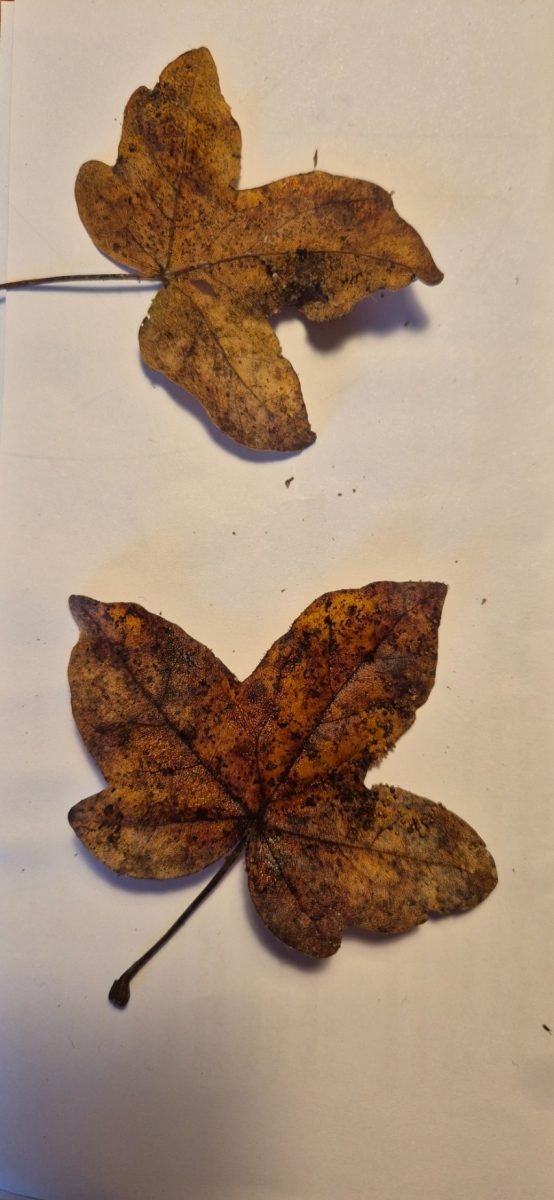
Tar spot produces conspicuous black blotches on the leaves but does not affect the tree's health. Aphids can be numerous in early summer.
Value to wildlife
Supports a good range of native invertebrates and is a common component of species-rich hedgerows. The flowers are worked by bees and the seed is taken by small mammals and birds.
Notes
Reliable butter-yellow autumn colour, and it makes an excellent hedging plant, clipping densely and holding some dead leaf through winter. A far better choice than sycamore where space is limited.
This guidance was researched and written by GardenDecoded — see our editorial policy for how guides are checked and reviewed.
Other names for this plant
These names have all been used for Acer campestre but are no longer the accepted name. You may still meet them on old labels, in books, or in nursery catalogues.
Acer affine
Acer affine
Acer bedoi
Acer campestre f. aegaeicum
Acer campestre f. argenteovariegatum
Acer campestre f. bedoi
Acer campestre f. bedoioides
Acer campestre f. boomii
Acer campestre f. brachypterum
Acer campestre f. collinum
Acer campestre f. compactum
Acer campestre f. ferrugineum
Acer campestre f. glabratum
Acer campestre f. hirtivalvum
Acer campestre f. josifovicii
Acer campestre f. jovanovicii
Acer campestre f. laetum
Acer campestre f. latilobum
Acer campestre f. longipetiolatum
Acer campestre f. microcarpon
Acer campestre f. microphyllum
Acer campestre f. molle
Acer campestre f. oblongifolium
Acer campestre f. pendulum
Acer campestre f. platypterum
Acer campestre f. pulverulentum
Acer campestre f. puncticulatum
Acer campestre f. quinquelobum
Acer campestre f. subtrilobum
Acer campestre f. tauricum
Acer campestre f. variegatum
Acer campestre subsp. hebecarpum
Acer campestre var. collinum
Acer campestre var. fastigiatum
Acer campestre var. foliis-variegatis
Acer campestre var. glabratum
Acer campestre var. hebecarpum
Acer campestre var. hirtivalvum
Acer campestre var. integrilobum
Acer campestre var. josifovicii
Acer campestre var. laevigatum
Acer campestre var. lobatum
Acer campestre var. macrocarpum
Acer campestre var. microcarpum
Acer campestre var. mollissimum
Acer campestre var. nanum
Acer campestre var. oxytomum
Acer campestre var. palmatifidum
Acer campestre var. palmatisectum
Acer campestre var. serotinum
Acer campestre var. variegatum
Acer collinum
Acer collinum
Acer eriocarpon
Acer erythrocarpum
Acer haplolobum
Acer heterolobum
Acer heterotomum
Acer macrocarpon
Acer marucum
Others in Acer
GardenDecoded is an educational gardening reference. Botanical data comes from World Flora Online and GBIF; growing guidance is our own. Always check a plant's toxicity and local invasiveness status before planting, and never eat or apply a plant based on this site alone.