Viola × albovii
Common Violet
Viola odorata
L. Species
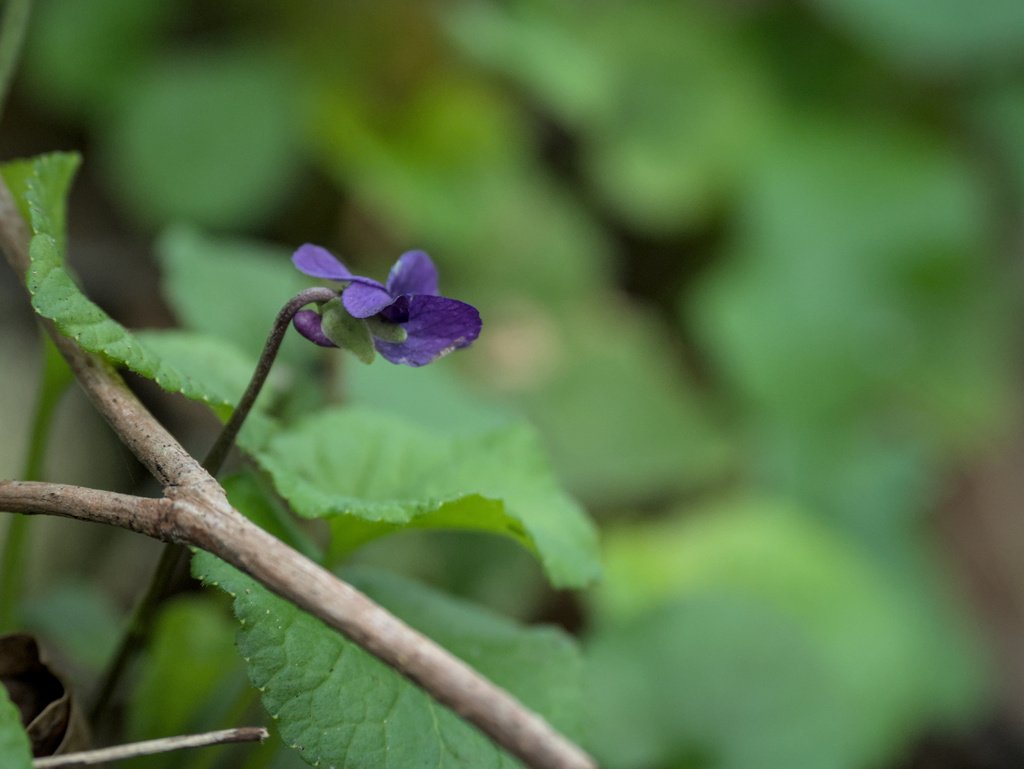

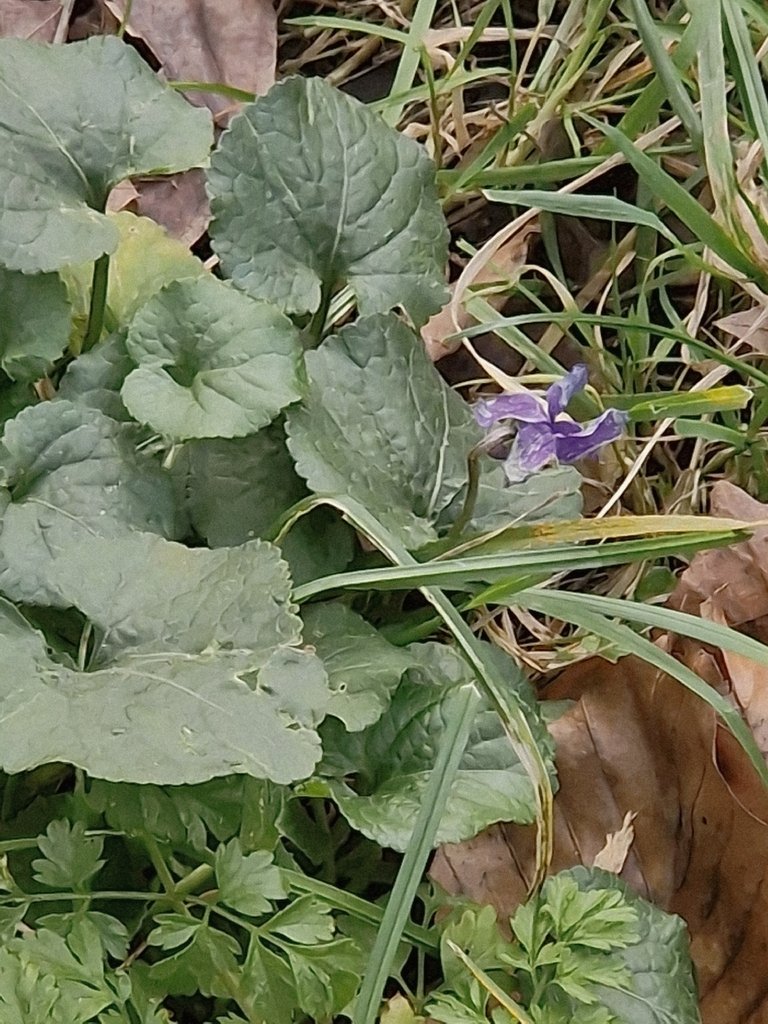
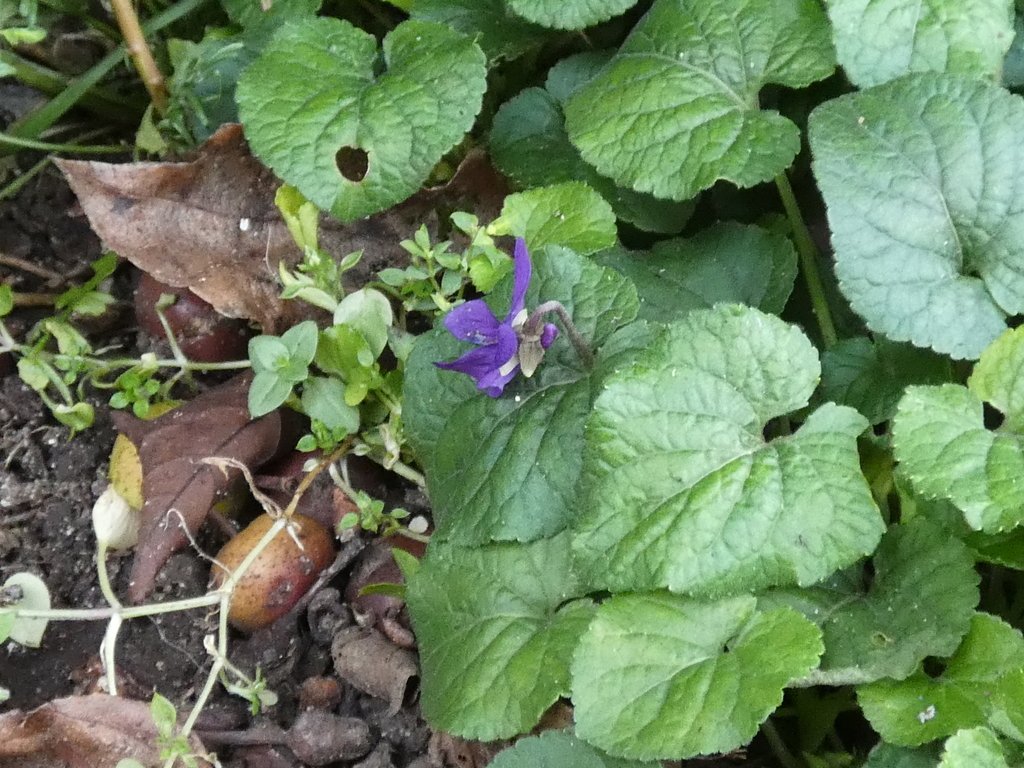
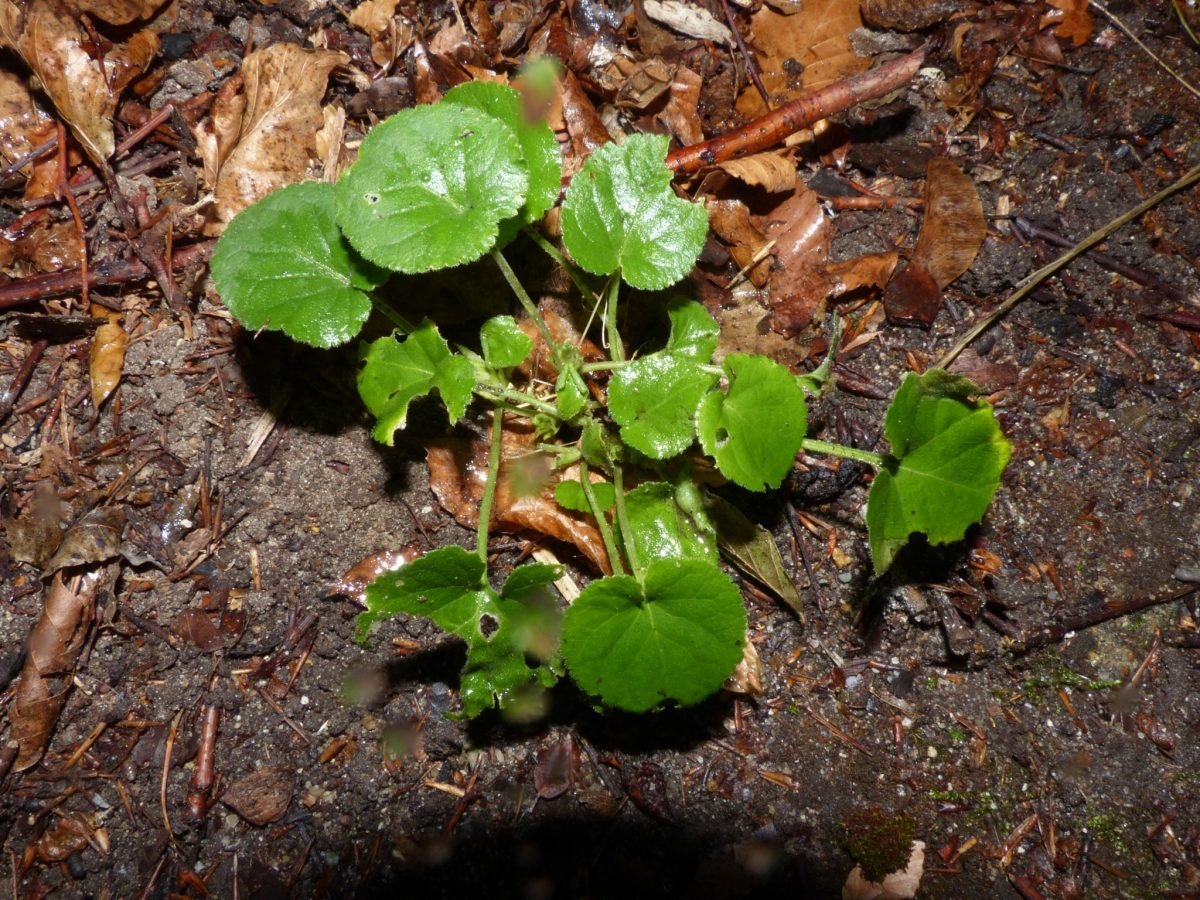
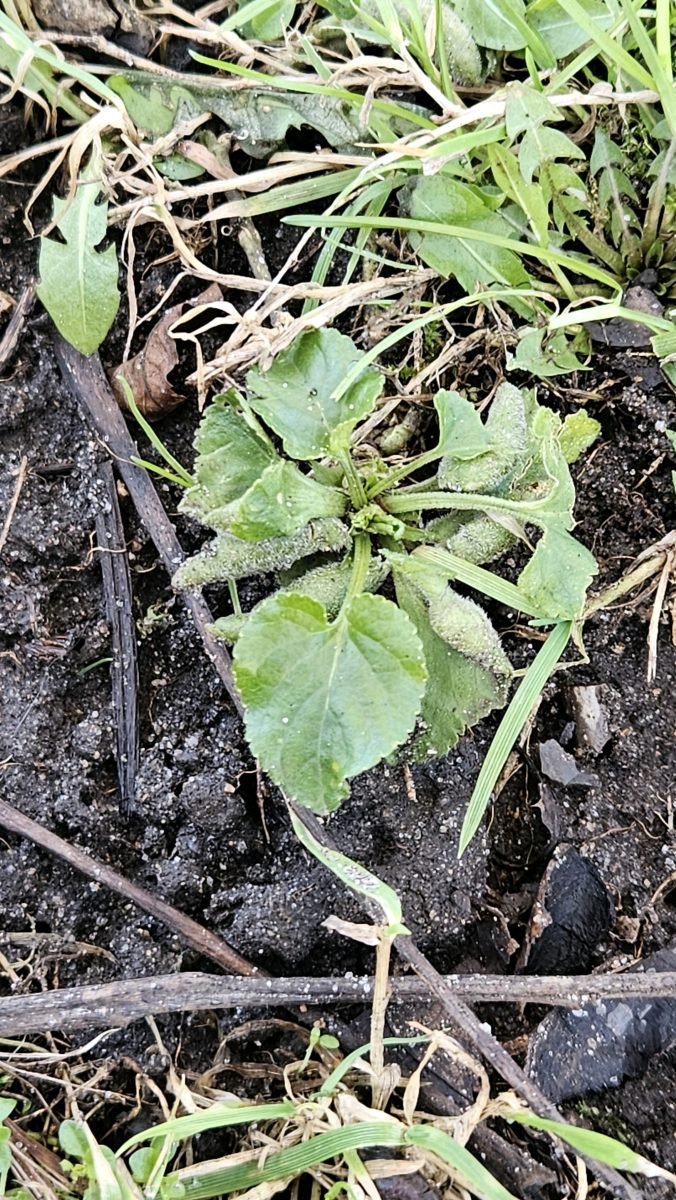
- Botanical name
- Viola odorata
- Also known as
- Common Violet, English Violet, Florist's Violet, Garden Violet, March Violet, Sweet Blue Violet, Sweet Violet
- Family
- Violaceae
- Genus
- Viola
- Flowering period
- February to April
- Height
- 10–15 cm
- Spread
- 20–40 cm
- Hardiness
- Fully hardy (RHS H7)
- Reference
- World Flora Online
How to grow Common Violet
Partial shade to dappled sun
Moderate; keep evenly moist in the growing season
Moist, humus-rich, well-drained
Neutral to alkaline
Planting
Plant in autumn or spring at the foot of a hedge, under deciduous shrubs or along a shady path edge. It spreads by runners into a low mat and copes with the dry shade of a hedge base better than most woodlanders.
Pruning
No pruning needed. Clear old and mildewed leaves in late summer or autumn to let the new growth and next spring's flowers show.
Propagation
Detach rooted runners in autumn or spring, or divide clumps. It also self-sows, and seed is often carried off and distributed by ants.
Pests and diseases
Violet leaf midge causes thickened, rolled leaves. Red spider mite and powdery mildew appear on dry, sunbaked plants; rust also occurs.
Value to wildlife
One of the earliest nectar sources of the year for bees emerging in late winter. Violets are the larval food plant of several fritillary butterflies, though those are rare visitors to gardens.
Notes
The scent is famous but genuinely fickle — the compounds in it temporarily dull the sense of smell, so a flower can seem to lose its perfume after a few seconds. Later in the year it also produces closed, self-fertile flowers at ground level that set most of the seed.
This guidance was researched and written by GardenDecoded — see our editorial policy for how guides are checked and reviewed.
Other names for this plant
These names have all been used for Viola odorata but are no longer the accepted name. You may still meet them on old labels, in books, or in nursery catalogues.
Viola austriaca
Viola consimilis
Viola cyclophylla
Viola favratii
Viola floribunda
Viola hortensis
Viola incompta
Viola jucunda
Viola maderensis
Viola odora
Viola odorata f. odorata
Viola odorata subsp. maderensis
Viola odorata var. albiflora
Viola odorata var. incompta
Viola officinalis
Viola pirottae
Viola plantaginea
Viola propinqua
Viola pseudosuavis
Viola sarmentosa
Viola spectabilis
Viola steveni
Viola suaveolens
Viola suavissima
Viola subcarnea
Viola sulfurea
Viola vilmoriniana
Viola vinealis
Viola wiedemannii
Others in Viola
GardenDecoded is an educational gardening reference. Botanical data comes from World Flora Online and GBIF; growing guidance is our own. Always check a plant's toxicity and local invasiveness status before planting, and never eat or apply a plant based on this site alone.