Verbascum × arabkirense
Common Mullein
Verbascum thapsus
L. Species
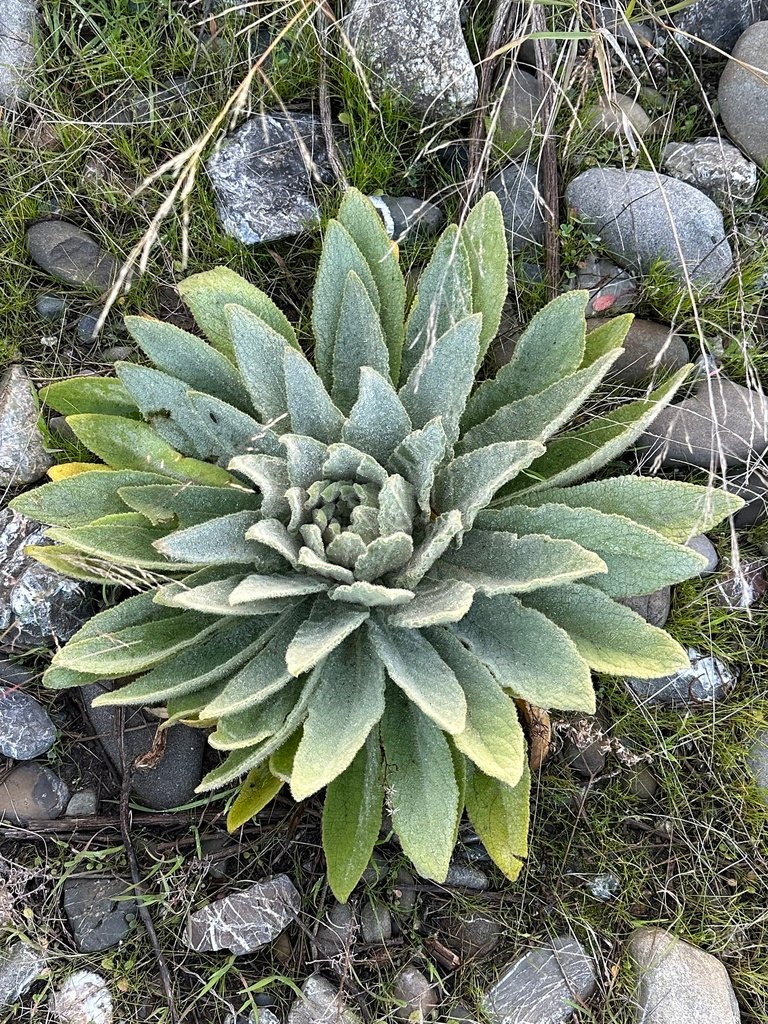
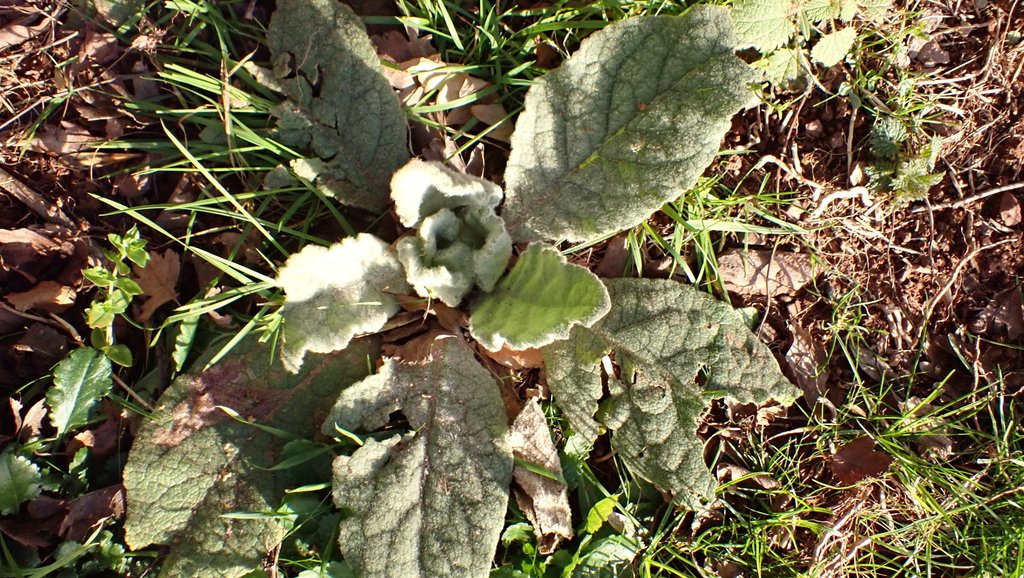

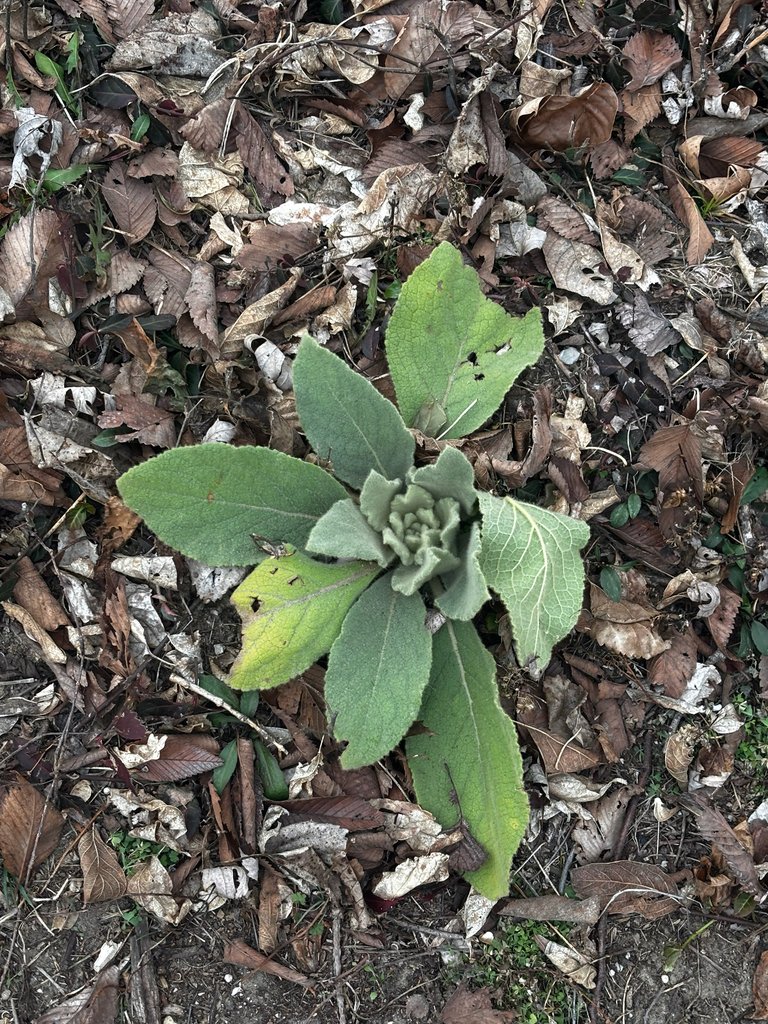
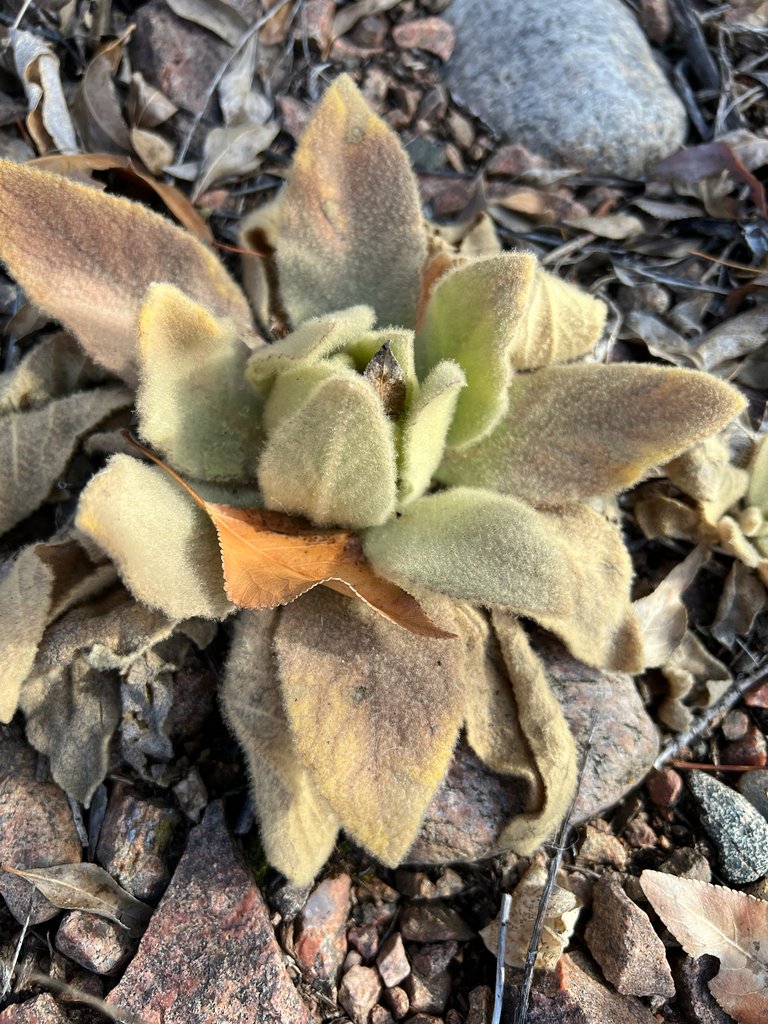
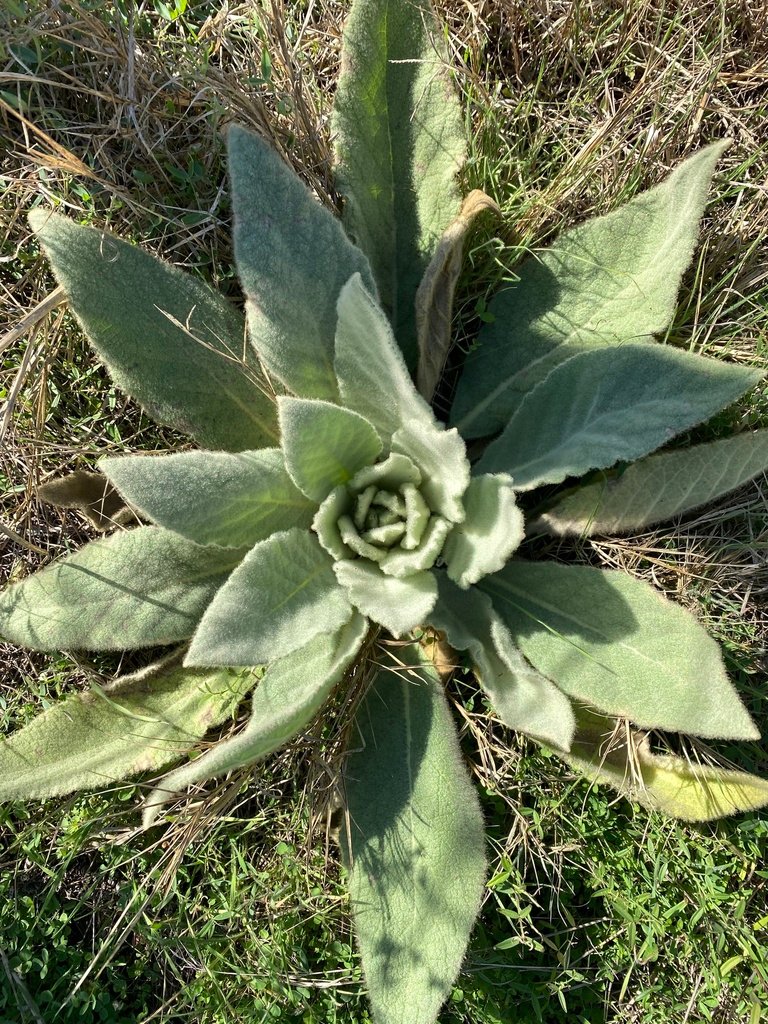
- Botanical name
- Verbascum thapsus
- Also known as
- Aaron's Rod, Aaron's-Rod, Big Taper, Blanketweed, Common Mullein, Flannel Leaf, Flannel Mullein, Flannel Plant, Flannelleaf, Flannelplant, Great Mullein, Great Mullen, Grey Mullein, Hag Taper, Hag-Taper, Mullein, Torches, Velvet Dock, Velvet Plant, Velvet-Dock, Velvetplant, Wild Tobacco, Woolly Mullein
- Family
- Scrophulariaceae
- Genus
- Verbascum
- Flowering period
- June to August
- Height
- 100–200 cm
- Spread
- 30–60 cm
- Hardiness
- Fully hardy (RHS H6)
- Reference
- World Flora Online
How to grow Common Mullein
Full sun
Low; drought-tolerant and dislikes damp
Poor, dry, sharply drained soil; stony and chalky ground suits it
Neutral to alkaline
Planting
This is a biennial: it makes a flat rosette of felted grey leaves in the first year and throws up the flower spike in the second, then dies. Sow or plant into poor, dry ground in an open position and leave it alone — rich soil and watering produce soft growth that rots.
Pruning
None needed. Leave the spike standing after flowering if you want it to self-sow and to feed birds, or cut it out before the seed ripens if you do not want seedlings everywhere.
Propagation
Self-sows freely, and moving the young rosettes in autumn is the easiest way to place them. Seed sown on the surface in spring, uncovered, germinates well; do not bury it.
Pests and diseases
Mullein moth caterpillars strip the leaves in early summer and can defoliate a plant almost completely. On a large plant this is largely cosmetic, and picking the caterpillars off by hand is enough if you object.
Value to wildlife
Bees work the yellow flowers steadily up the spike through summer, and goldfinches take the seed in autumn. It is also the food plant of the mullein moth.
Notes
Because it dies after flowering you need a succession of seedlings coming on to keep it in the garden. Allow a few plants to seed each year and thin the results.
This guidance was researched and written by GardenDecoded — see our editorial policy for how guides are checked and reviewed.
Other names for this plant
These names have all been used for Verbascum thapsus but are no longer the accepted name. You may still meet them on old labels, in books, or in nursery catalogues.
Verbascum spectabile
Others in Verbascum
GardenDecoded is an educational gardening reference. Botanical data comes from World Flora Online and GBIF; growing guidance is our own. Always check a plant's toxicity and local invasiveness status before planting, and never eat or apply a plant based on this site alone.