Vaccinium × brunoense
Dwarf Bilberry
Vaccinium myrtillus
L. Species
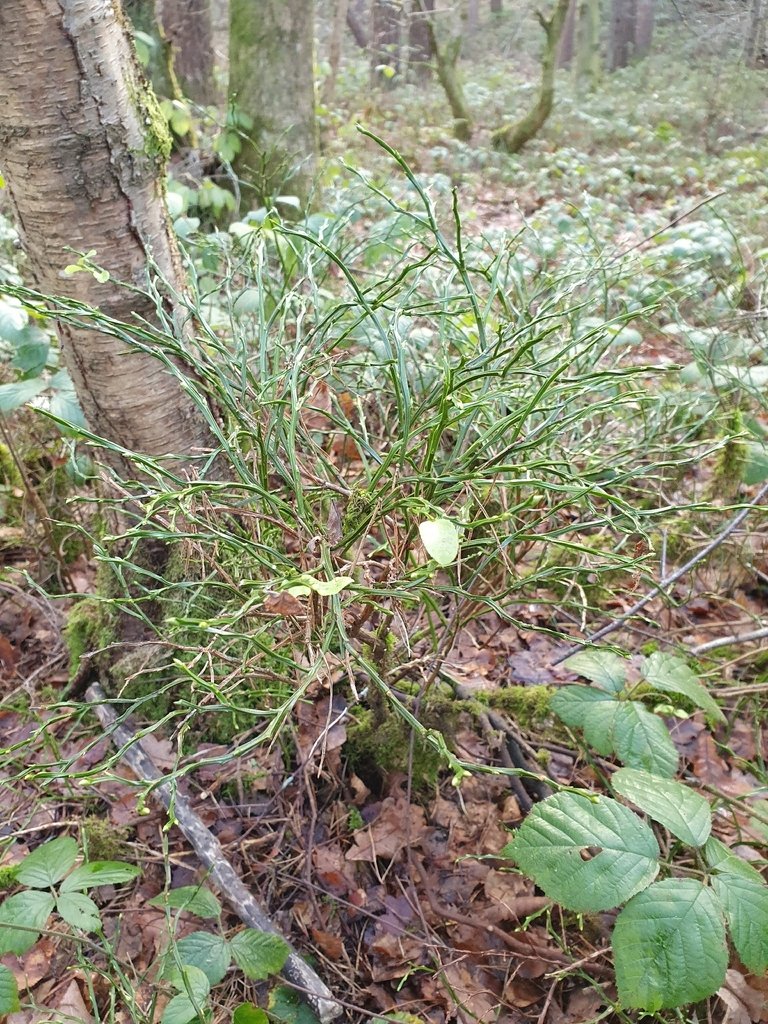
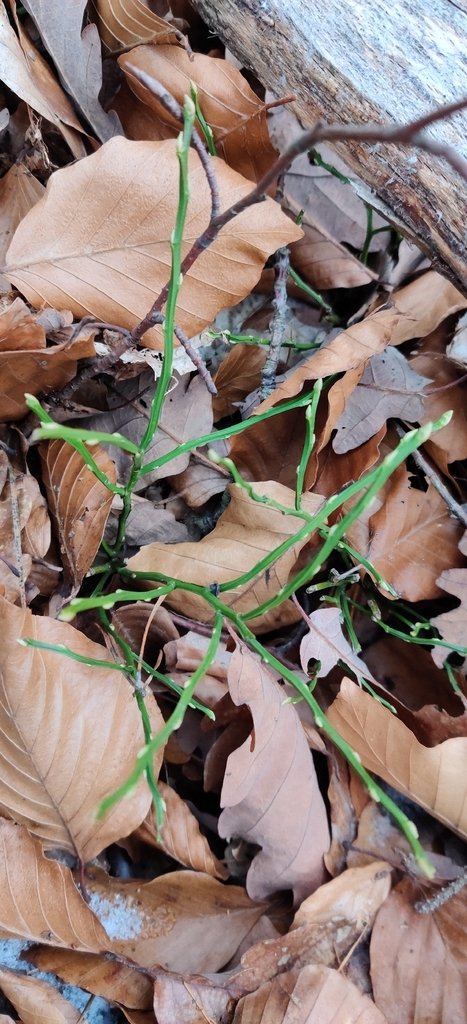


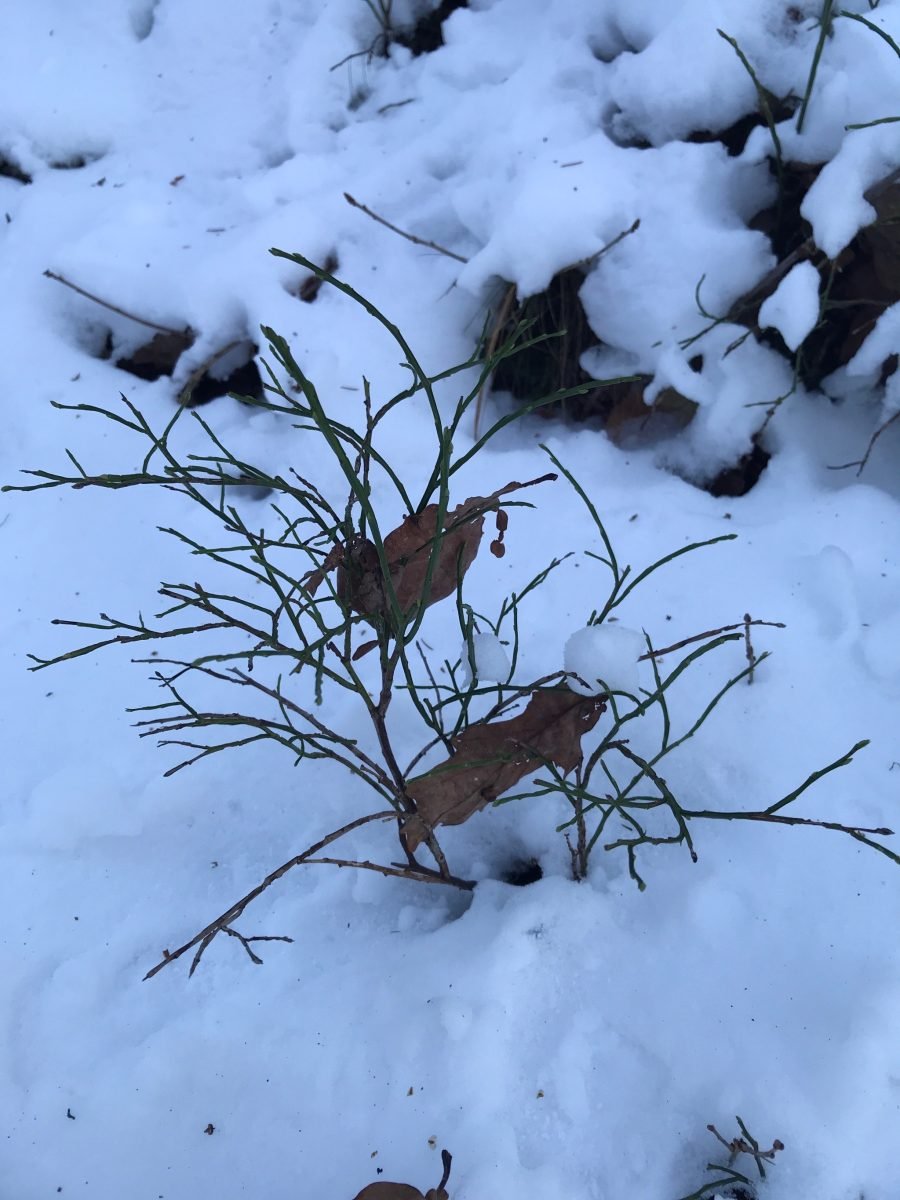

- Botanical name
- Vaccinium myrtillus
- Also known as
- Bilberry, Blaeberry, Common-Blueberry, Dwarf Bilberry, Dwarf Whortleberry, Low Bilberry, Myrtle Blueberry, Myrtle Whortleberry, Whinberry, Whortleberry
- Family
- Ericaceae
- Genus
- Vaccinium
- Flowering period
- April to May
- Height
- 20–45 cm
- Spread
- 30–60 cm
- Hardiness
- Fully hardy (RHS H7)
- Reference
- World Flora Online
How to grow Dwarf Bilberry
Partial shade to full sun; naturally a plant of open woodland and moor
Keep evenly moist; use rainwater rather than hard tap water
Acid, peaty, humus-rich, moist but free-draining
Strongly acid — essential
Planting
Plant in autumn or spring into genuinely acid ground. On neutral or alkaline soil it will not succeed in the open border, so grow it in a container of ericaceous compost instead. Mulch with composted bark or leafmould and keep the roots cool.
Pruning
Very little needed. Remove dead or damaged stems in late winter and thin out the oldest wood occasionally on established plants to encourage new shoots from the base.
Propagation
Semi-ripe cuttings in summer, or by separating rooted suckers. Both are slow. Seed needs cold stratification and is slower still.
Pests and diseases
Few problems in suitable conditions. Yellowing leaves almost always indicate the soil is not acid enough rather than a disease. Birds take the fruit.
Value to wildlife
A significant native shrub of upland heath and woodland: the small pink flowers support bumblebees in spring and the berries feed birds and small mammals.
Notes
This is the native bilberry, not the cultivated blueberry (Vaccinium corymbosum) — it is much lower growing and the crop is small and fiddly to pick. Grow it for its habitat value and its place in a native planting rather than as a serious fruit crop.
This guidance was researched and written by GardenDecoded — see our editorial policy for how guides are checked and reviewed.
Other names for this plant
These names have all been used for Vaccinium myrtillus but are no longer the accepted name. You may still meet them on old labels, in books, or in nursery catalogues.
Myrtillus niger
Myrtillus nigra
Myrtillus sylvaticus
Myrtillus uliginosus var. microphylla
Vaccinium angulosum
Vaccinium myrtillum
Vaccinium myrtillus var. oreophilum
Vaccinium oreophilum
Vitis-idaea myrtillus
Others in Vaccinium
GardenDecoded is an educational gardening reference. Botanical data comes from World Flora Online and GBIF; growing guidance is our own. Always check a plant's toxicity and local invasiveness status before planting, and never eat or apply a plant based on this site alone.