Tulipa gesneriana
Wild Tulip
Tulipa sylvestris
L. Species

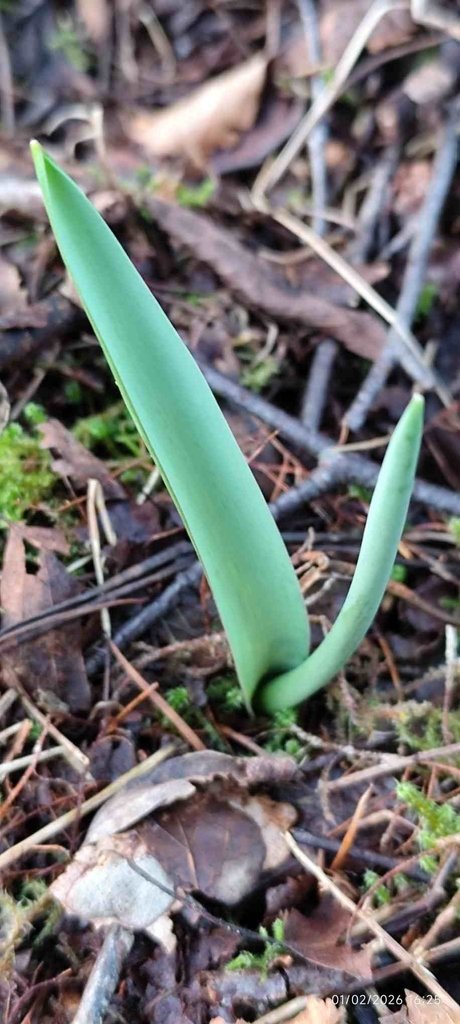

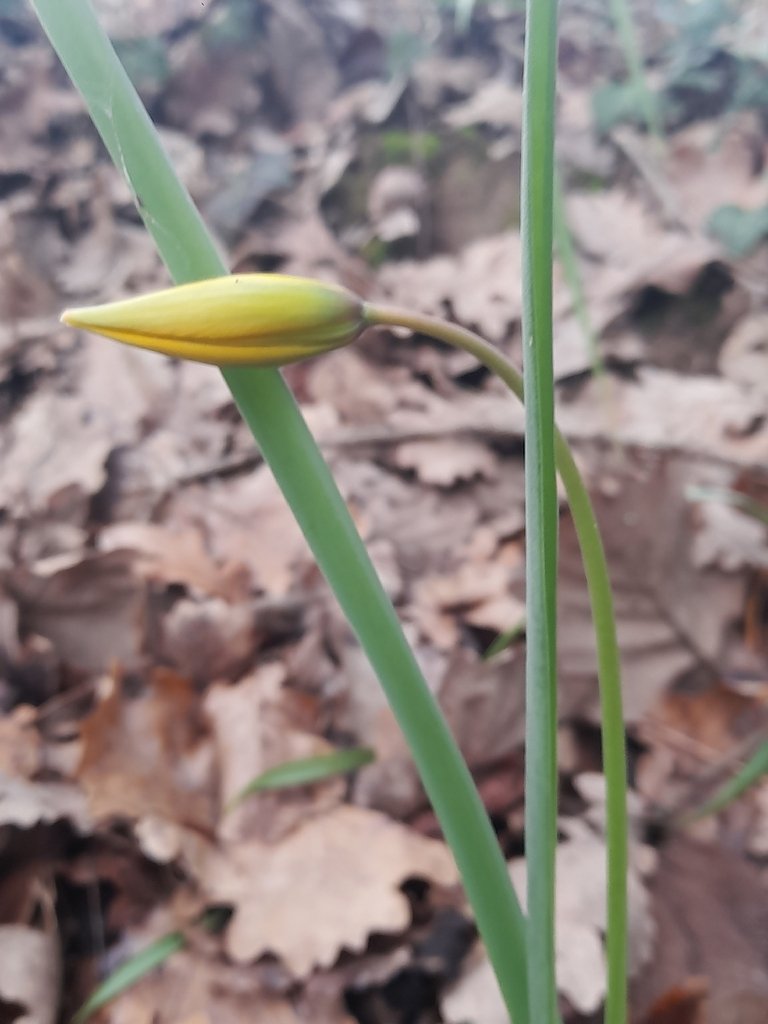


- Botanical name
- Tulipa sylvestris
- Also known as
- Wild Tulip, Woodland Tulip
- Family
- Liliaceae
- Genus
- Tulipa
- Flowering period
- April to May
- Height
- 30–45 cm
- Spread
- 10–15 cm
- Hardiness
- Fully hardy (RHS H6)
- Reference
- World Flora Online
How to grow Wild Tulip
Full sun to light shade
Low once established
Well-drained; tolerates poor soil and grass competition
Neutral to alkaline
Planting
Plant bulbs 10-15 cm deep in autumn. Unlike garden tulips it is worth naturalising, so put it in rough grass, an orchard or a sunny bank rather than a formal bed.
Pruning
None needed. Delay mowing any grass it grows in until the foliage has yellowed.
Propagation
It spreads by underground stolons, which is how it forms colonies. Lift and separate in summer to move it on.
Pests and diseases
Less prone to tulip fire than garden tulips, but not immune. Slugs may take young shoots.
Value to wildlife
Provides pollen for early bees; the scented, nodding yellow flowers open in sun.
Notes
It is more persistent than large garden tulips but often runs to leaf without flowering, especially in shade or rich damp soil. Poor, sharply drained ground in full sun gives the best flowering.
This guidance was researched and written by GardenDecoded — see our editorial policy for how guides are checked and reviewed.
Other names for this plant
These names have all been used for Tulipa sylvestris but are no longer the accepted name. You may still meet them on old labels, in books, or in nursery catalogues.
Liriopogon sylvestre
Liriopogon sylvestris
Others in Tulipa
GardenDecoded is an educational gardening reference. Botanical data comes from World Flora Online and GBIF; growing guidance is our own. Always check a plant's toxicity and local invasiveness status before planting, and never eat or apply a plant based on this site alone.