Tilia × cinerascens
Littleleaf Linden
Tilia cordata
Mill. Species

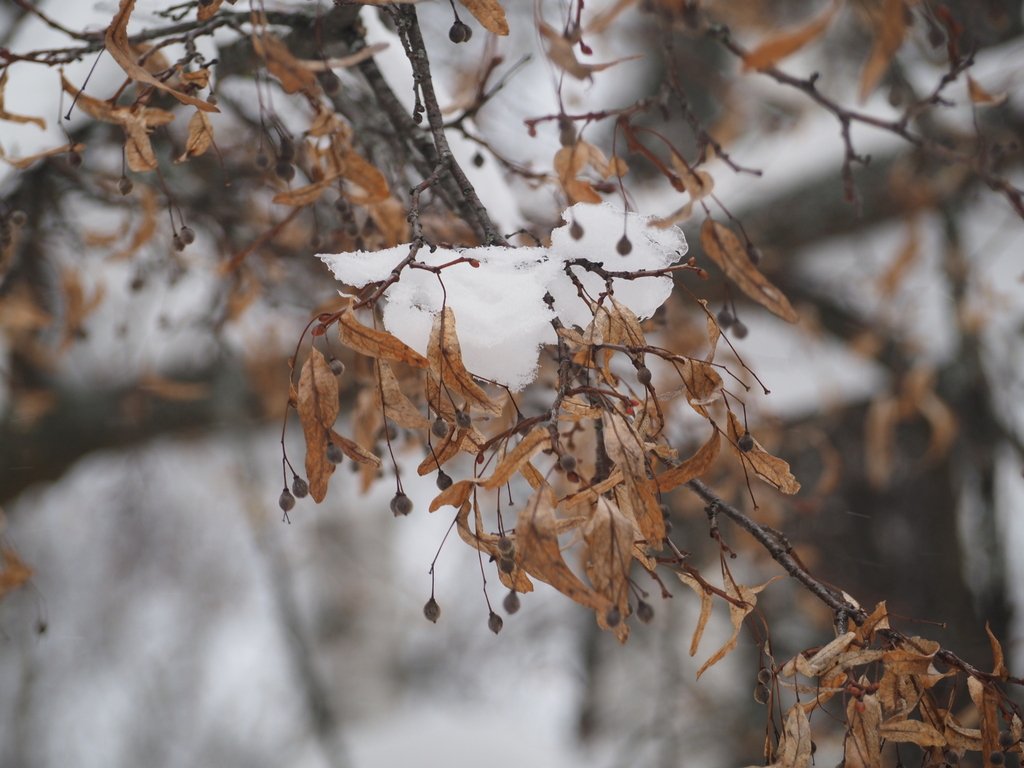


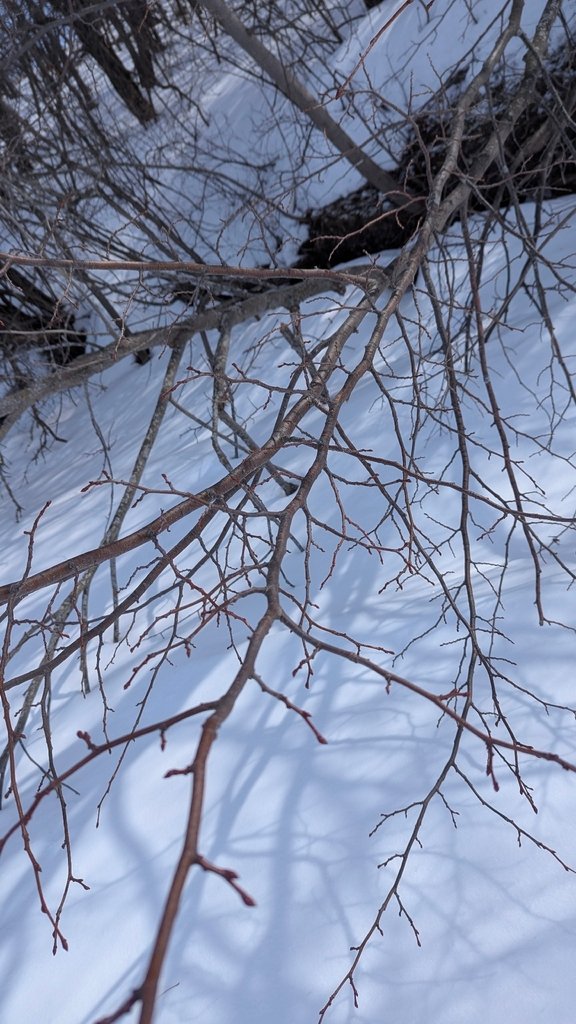
- Botanical name
- Tilia cordata
- Also known as
- Linden, Little-Leaved Linden, Littleleaf Linden, Small-Leaf European Linden, Small-Leaf Lime, Small-Leaf Linden, Small-Leaved European Linden, Small-Leaved Lime, Small-Leaved Linden
- Family
- Malvaceae
- Genus
- Tilia
- Flowering period
- June to July
- Height
- 15–25 m
- Spread
- 10–15 m
- Hardiness
- Fully hardy (RHS H6)
- Reference
- World Flora Online
How to grow Littleleaf Linden
Full sun to partial shade
Moderate while establishing; low thereafter
Fertile, moist but well-drained; tolerates clay and chalk
Neutral to alkaline
Planting
Plant bare-root in winter on a site with room for a full-sized tree. It takes very well to pleaching or a formal clipped avenue, which is the usual way to use it in a garden of ordinary size. Keep it back from parking and seating areas.
Pruning
Little needed as a free-standing tree beyond removing deadwood in winter. Pleached and pollarded forms are cut back annually in winter to the established framework. Rub off basal shoots each summer, as this species produces them freely at the base.
Propagation
Layering works well and is the traditional method. Seed needs prolonged cold stratification and germinates slowly and unevenly; buying a young tree is usually more sensible.
Pests and diseases
Aphids are the main nuisance — heavy infestations produce sticky honeydew that drips onto anything parked or sitting beneath, followed by sooty mould. Small-leaved lime is generally less affected than common lime. Gall mites cause harmless red nail-like growths on the leaves.
Value to wildlife
The scented midsummer flowers are outstanding for bees, and the tree hosts a large number of invertebrates. It is an indicator of ancient woodland in much of Britain.
Notes
Choose this over the common lime (Tilia x europaea) for a garden — it suckers far less at the base and drips less honeydew. Flowering is late enough to fill an otherwise thin patch in the nectar calendar.
This guidance was researched and written by GardenDecoded — see our editorial policy for how guides are checked and reviewed.
Other names for this plant
These names have all been used for Tilia cordata but are no longer the accepted name. You may still meet them on old labels, in books, or in nursery catalogues.
Tilia parvifolia
Others in Tilia
GardenDecoded is an educational gardening reference. Botanical data comes from World Flora Online and GBIF; growing guidance is our own. Always check a plant's toxicity and local invasiveness status before planting, and never eat or apply a plant based on this site alone.