Taxus cuspidata var. nana
Common Yew
Taxus baccata
L. Species
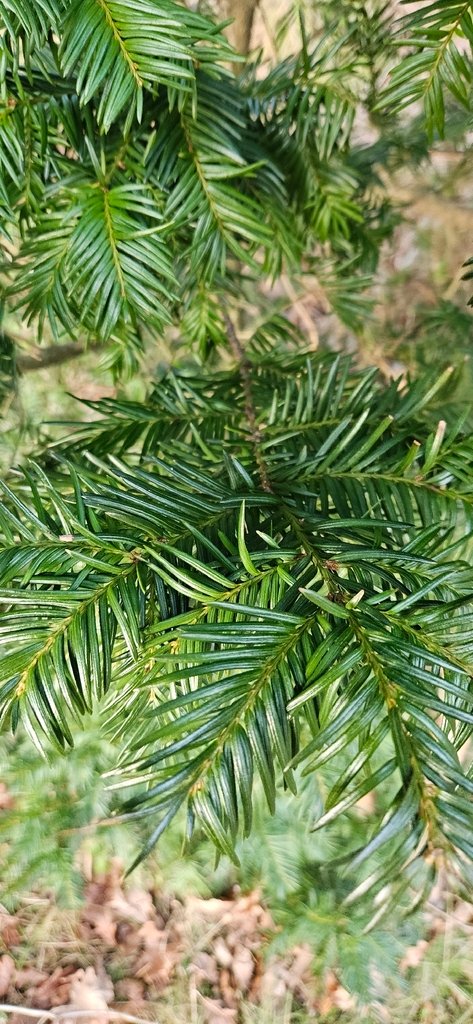


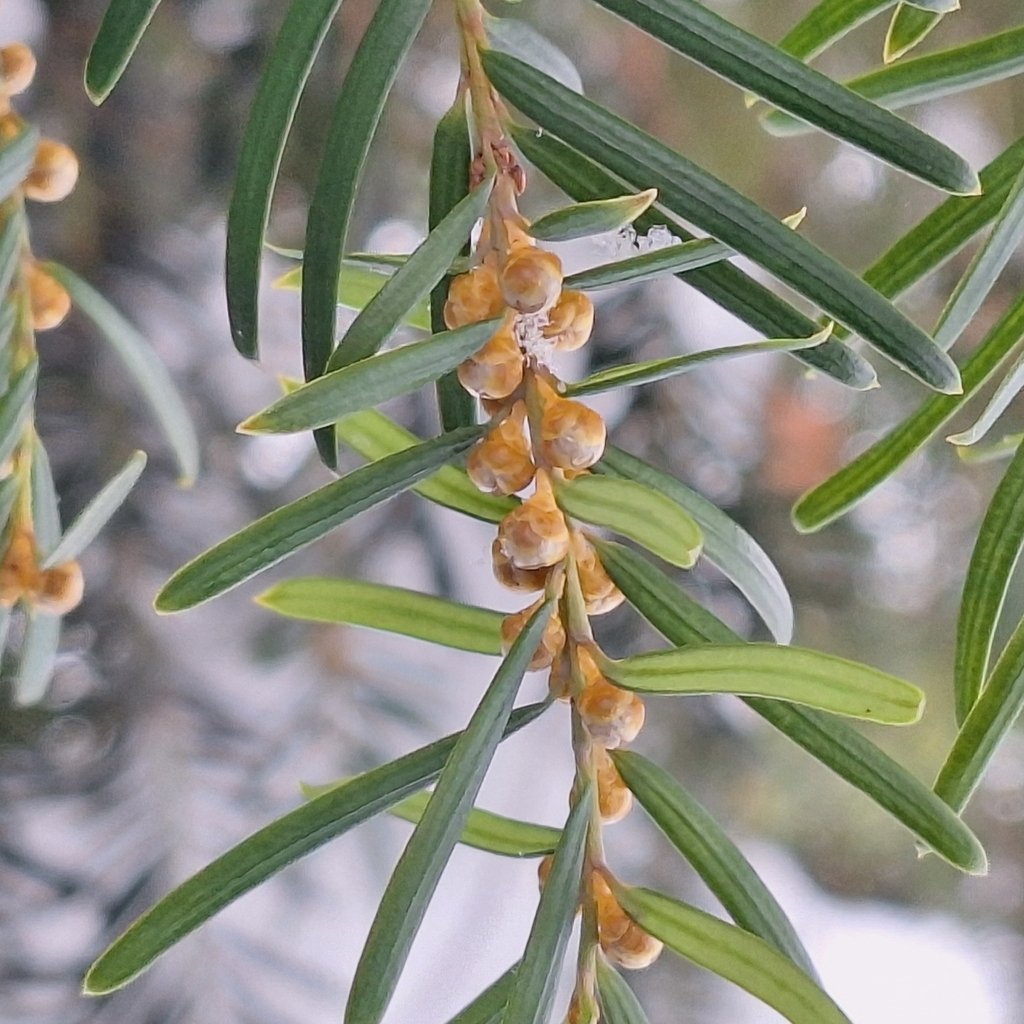

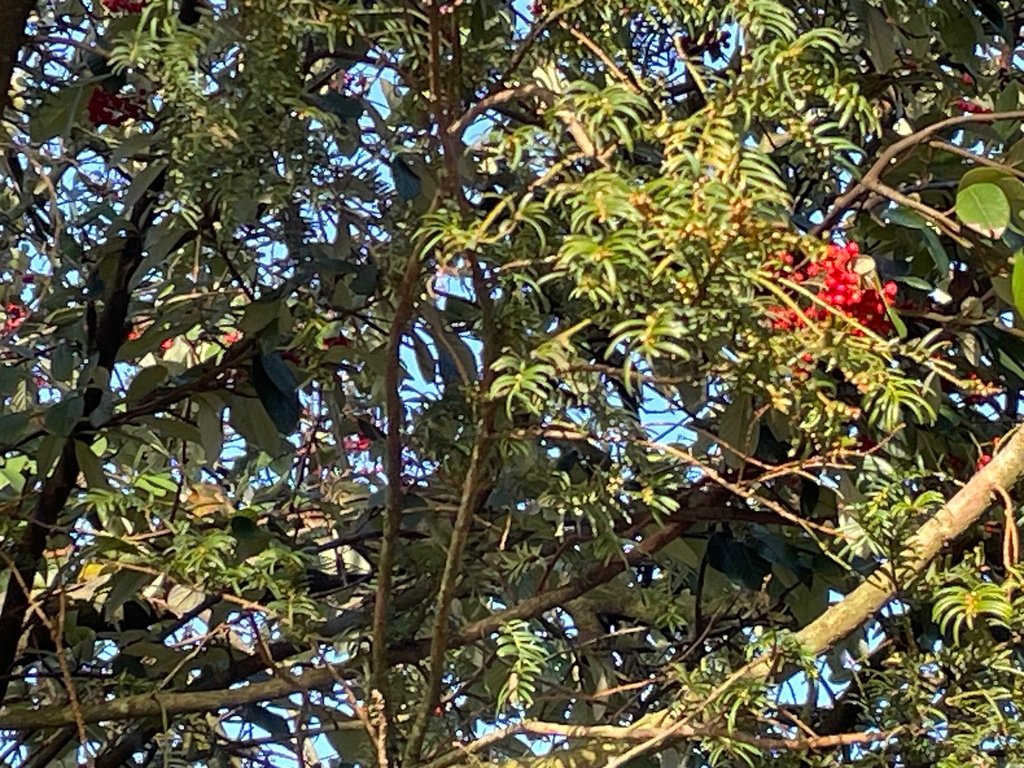
- Botanical name
- Taxus baccata
- Also known as
- Common Yew, English Yew, European Yew, Irish Yew, Yew
- Family
- Taxaceae
- Genus
- Taxus
- Flowering period
- March to May
- Height
- 5–15 m
- Spread
- 4–10 m
- Hardiness
- Fully hardy (RHS H7)
- Reference
- World Flora Online
How to grow Common Yew
Full sun to deep shade
Low once established, but must not sit wet
Free-draining; will not tolerate waterlogging
Acid, neutral or alkaline
Planting
Plant in autumn or spring into ground that drains freely — more yew hedges are lost to standing water than to cold. For hedging, space plants 50–60 cm apart and start with smaller, cheaper stock, which establishes faster. Improve heavy clay with grit and organic matter before planting rather than dropping it into a sump.
Pruning
Trim hedges and topiary once in late summer, or twice between late spring and early autumn for a crisp finish. Unlike most conifers, yew reshoots reliably from old bare wood, so an overgrown hedge can be cut hard back — do one face one year and the other two or three years later.
Propagation
Semi-ripe cuttings in late summer, taken with a heel and rooted in a cold frame; they are slow but reliable. Seed germinates erratically and can take two or three years.
Pests and diseases
Phytophthora root rot is the significant threat, usually the result of poor drainage, and shows as yellowing then dieback of whole branches. Yew scale and gall midge cause cosmetic damage only.
Value to wildlife
Dense evergreen cover makes exceptional nesting and roosting habitat, and the red arils are eaten by blackbirds and thrushes.
Notes
Growth is steadier than its reputation suggests — a well-fed hedge puts on 20–30 cm a year. Yew is well known to be poisonous in all its parts except the red aril flesh; check its toxicity status before planting where children, pets or grazing livestock have access, and never dump clippings where horses or cattle can reach them.
Some structured details on this page (such as tolerances, pH and hardiness) come from USDA PLANTS Database (public domain). The written guidance is GardenDecoded's own, researched as described in our editorial policy.
Toxicity
USDA PLANTS rates this species as having severe toxicity. Keep it away from children and animals, wash your hands after handling it, and seek medical or veterinary advice immediately if any part is eaten.
Source: USDA PLANTS Database (public domain) — always confirm with an authoritative source before acting on it.
Other names for this plant
These names have all been used for Taxus baccata but are no longer the accepted name. You may still meet them on old labels, in books, or in nursery catalogues.
Cephalotaxus adpressa
Cephalotaxus brevifolia
Cephalotaxus tardiva
Taxus adpressa
Taxus aurea
Taxus baccata f. aurea
Taxus baccata f. dovastoniana
Taxus baccata f. elegantissima
Taxus baccata f. erecta
Taxus baccata f. ericoides
Taxus baccata f. expansa
Taxus baccata f. glauca
Taxus baccata f. linearis
Taxus baccata f. lutea
Taxus baccata f. pendula
Taxus baccata f. pendula-graciosa
Taxus baccata f. pyramidalis
Taxus baccata f. repandens
Taxus baccata f. semperaurea
Taxus baccata f. stricta
Taxus baccata f. variegata
Taxus baccata f. xanthocarpa
Taxus baccata var. adpressa-aurea
Taxus baccata var. cavendishii
Taxus baccata var. dovastoniana
Taxus baccata var. dovastonii-aurea
Taxus baccata var. dovastonii-aureovariegata
Taxus baccata var. dovastonii-variegata
Taxus baccata var. elegantissima
Taxus baccata var. erecta
Taxus baccata var. glauca
Taxus baccata var. lutea
Taxus baccata var. macrocarpa
Taxus baccata var. pendula-overeynderi
Taxus baccata var. prostrata
Taxus baccata var. pyramidalis
Taxus baccata var. variegata
Taxus baccifera
Taxus columnaris
Taxus communis
Taxus communis var. pyramidalis
Taxus disticha
Taxus dovastonii
Taxus elegantissima
Taxus elvastonensis
Taxus empetrifolia
Taxus erecta
Taxus ericoides
Taxus expansa
Taxus fastigiata
Taxus foxii
Taxus hibernica
Taxus horizontalis
Taxus imperialis
Taxus jacksonii
Taxus lugubris
Taxus marginata
Taxus michelii
Taxus microphylla
Taxus mitchellii
Others in Taxus
GardenDecoded is an educational gardening reference. Botanical data comes from World Flora Online and GBIF; growing guidance is our own. Always check a plant's toxicity and local invasiveness status before planting, and never eat or apply a plant based on this site alone.