Tanacetum abrotanifolium
Common Tansy
Tanacetum vulgare
L. Species


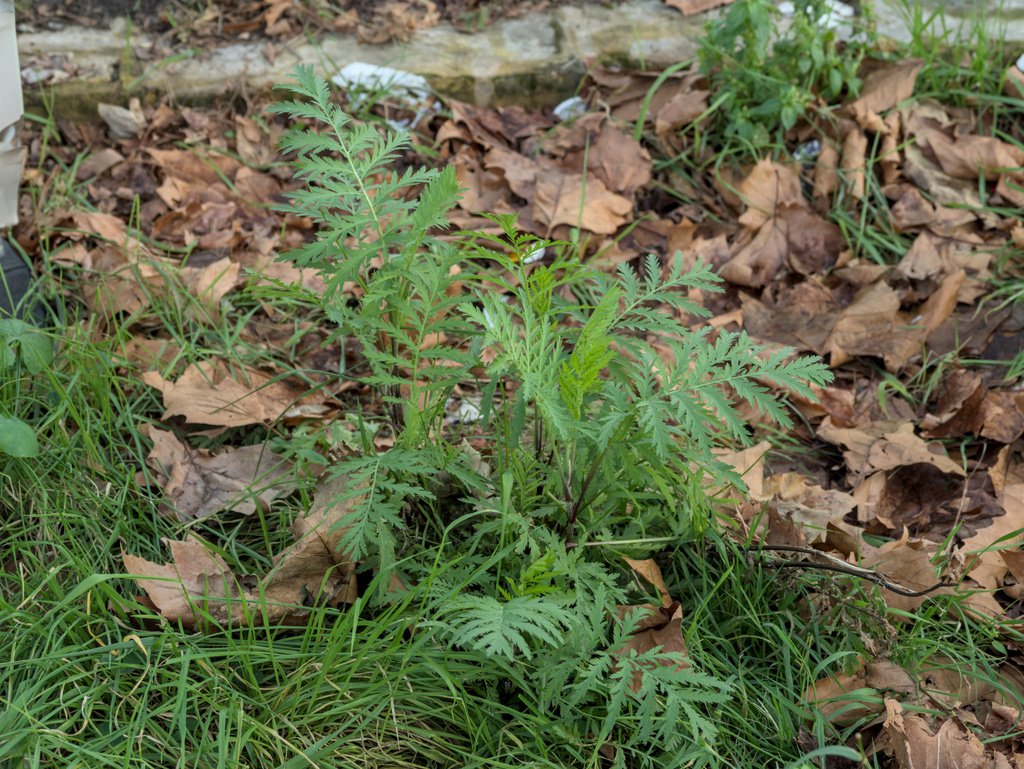


- Botanical name
- Tanacetum vulgare
- Also known as
- Common Tansy, Garden Tansy, Golden Buttons, Golden-Buttons, Tansy
- Family
- Asteraceae
- Genus
- Tanacetum
- Flowering period
- July to September
- Height
- 60–120 cm
- Spread
- 45–90 cm
- Hardiness
- Fully hardy (RHS H7)
- Reference
- World Flora Online
How to grow Common Tansy
Full sun
Low; drought-tolerant once established
Any well-drained soil; tolerates poor and stony ground
Neutral to alkaline
Planting
Plant in spring in an open, sunny position. It runs at the root, so give it room in a wild or informal area, or plant it into a sunken bottomless container in a border to keep it in bounds.
Pruning
Cut back to the base in late autumn or leave the stems for winter structure and clear them in early spring. Removing the flat flower heads before the seed ripens cuts down on self-sowing.
Propagation
Divide in spring or autumn; the spreading rootstock gives plenty of material. Seed germinates easily but is rarely necessary.
Pests and diseases
Very few problems. Aphids sometimes cluster on the flowering stems in midsummer.
Value to wildlife
The button flowers attract hoverflies, solitary bees and small beetles, and the plant supports a number of specialist insects including the tansy beetle where its range overlaps. The strong scent of the crushed foliage is characteristic.
Notes
Tansy spreads by rhizome and by seed, and can take over a small border within a few years — site it accordingly. It has a long history of household and medicinal use, but gardeners should check its toxicity before planting where children or pets have free access.
This guidance was researched and written by GardenDecoded — see our editorial policy for how guides are checked and reviewed.
Other names for this plant
These names have all been used for Tanacetum vulgare but are no longer the accepted name. You may still meet them on old labels, in books, or in nursery catalogues.
Chrysanthemum asiaticum
Chrysanthemum boreale
Chrysanthemum vulgare subsp. boreale
Chrysanthemum vulgare var. boreale
Pyrethrum vulgare
Tanacetum boreale
Tanacetum crispum
Tanacetum umbellatum
Tanacetum vulgare f. vulgare
Tanacetum vulgare subsp. boreale
Tanacetum vulgare subsp. boreale
Tanacetum vulgare subsp. boreale
Tanacetum vulgare var. boreale
Tanacetum vulgare var. vulgare
Others in Tanacetum
GardenDecoded is an educational gardening reference. Botanical data comes from World Flora Online and GBIF; growing guidance is our own. Always check a plant's toxicity and local invasiveness status before planting, and never eat or apply a plant based on this site alone.