Syringa pinetorum
Common Lilac
Syringa vulgaris
L. Species
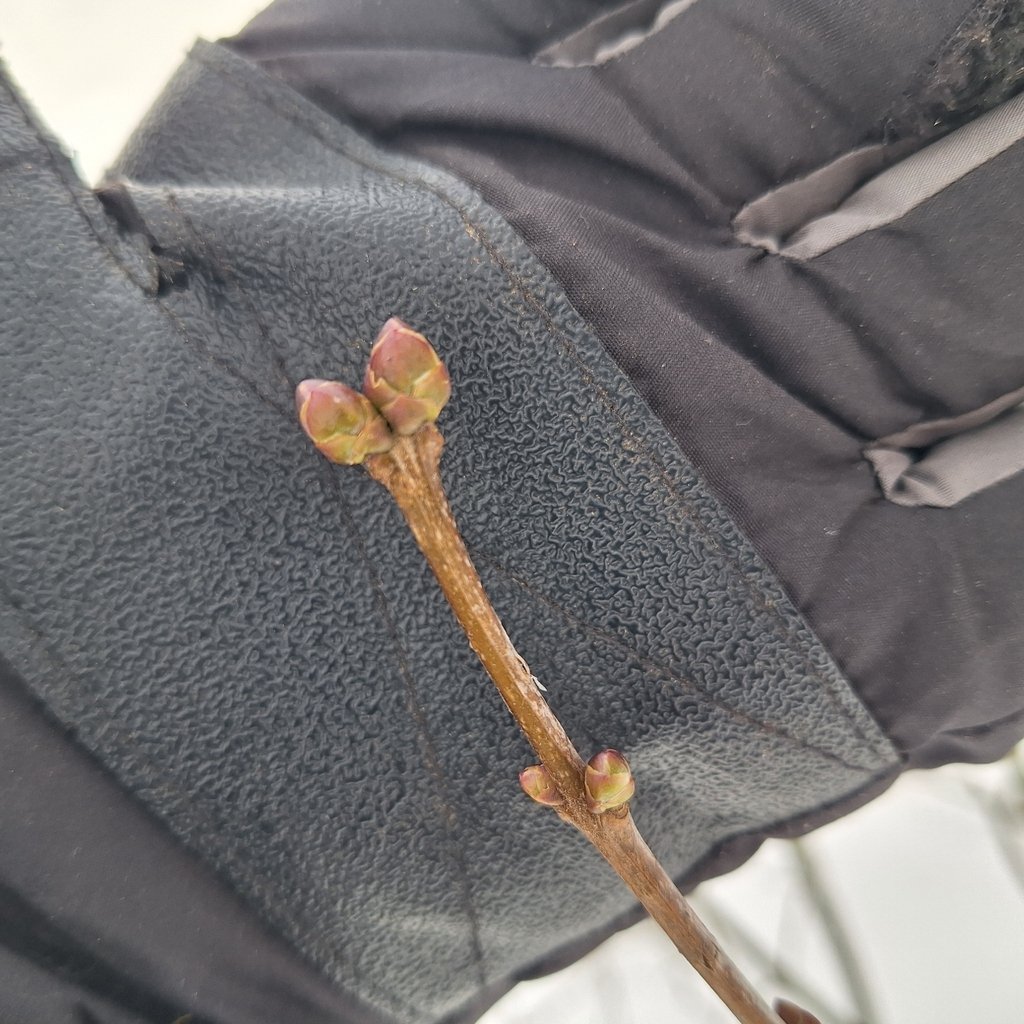
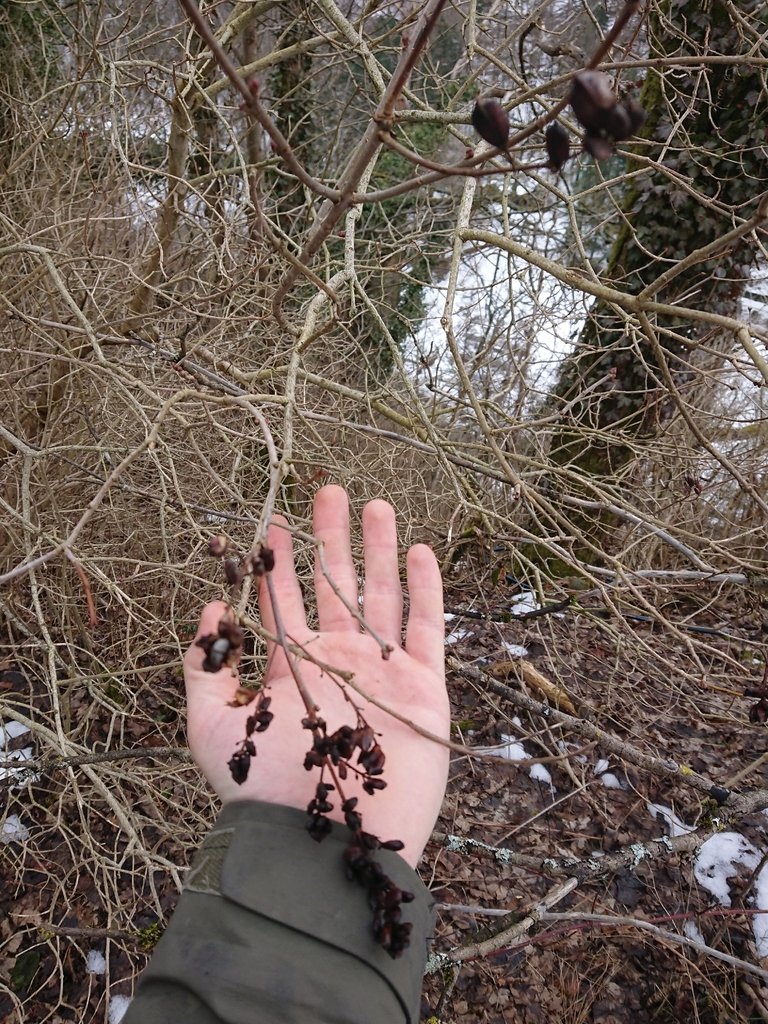
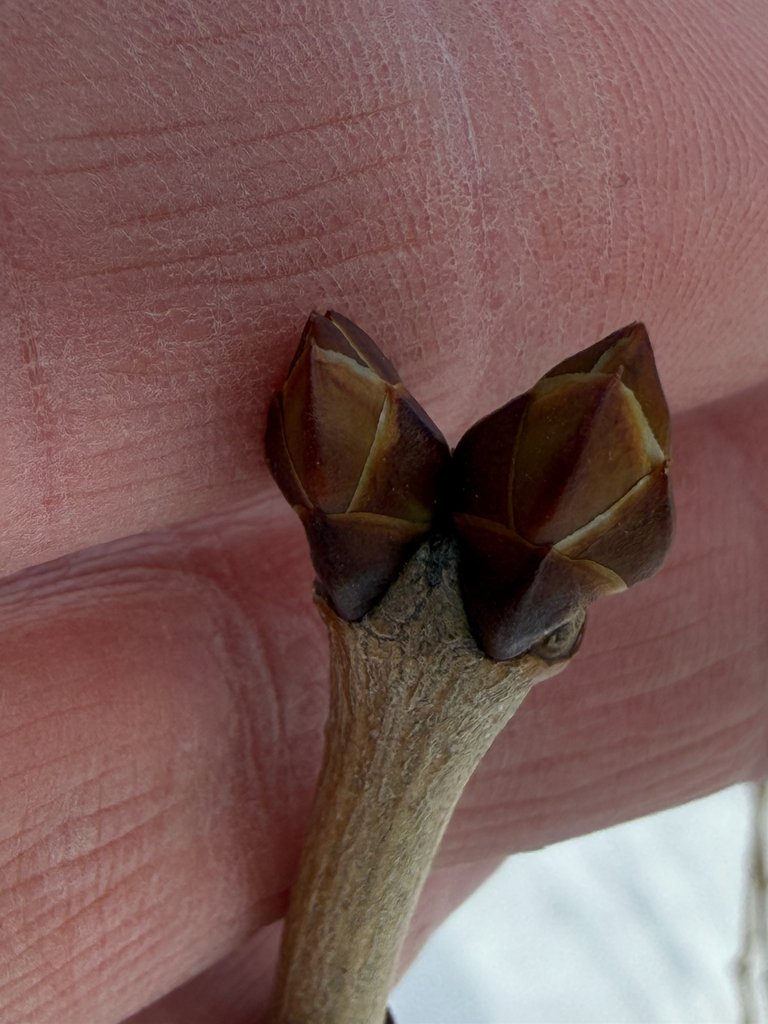
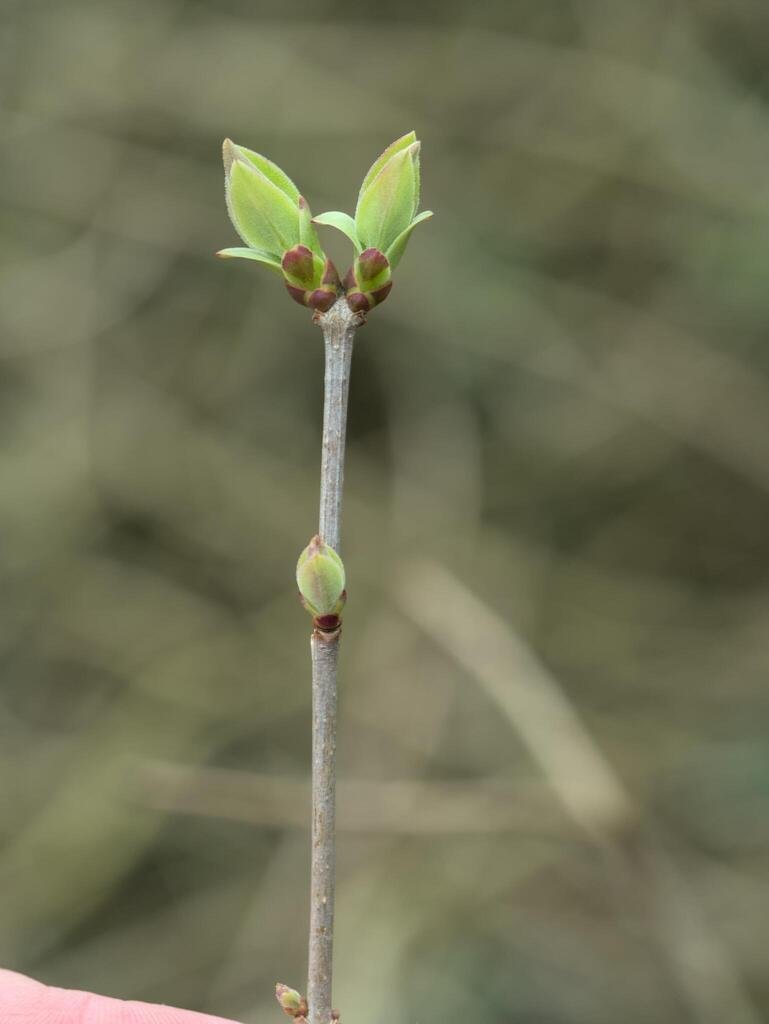
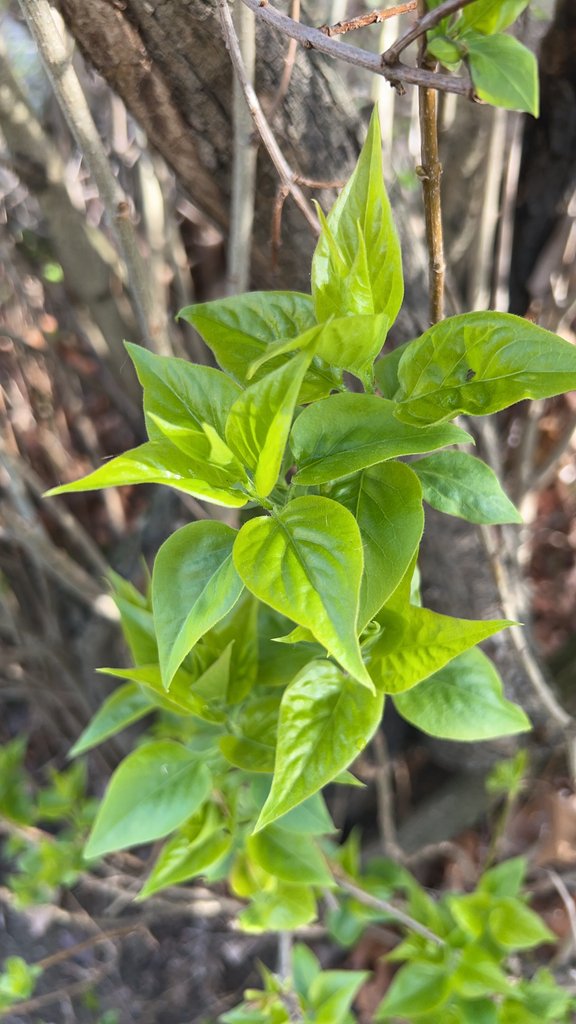
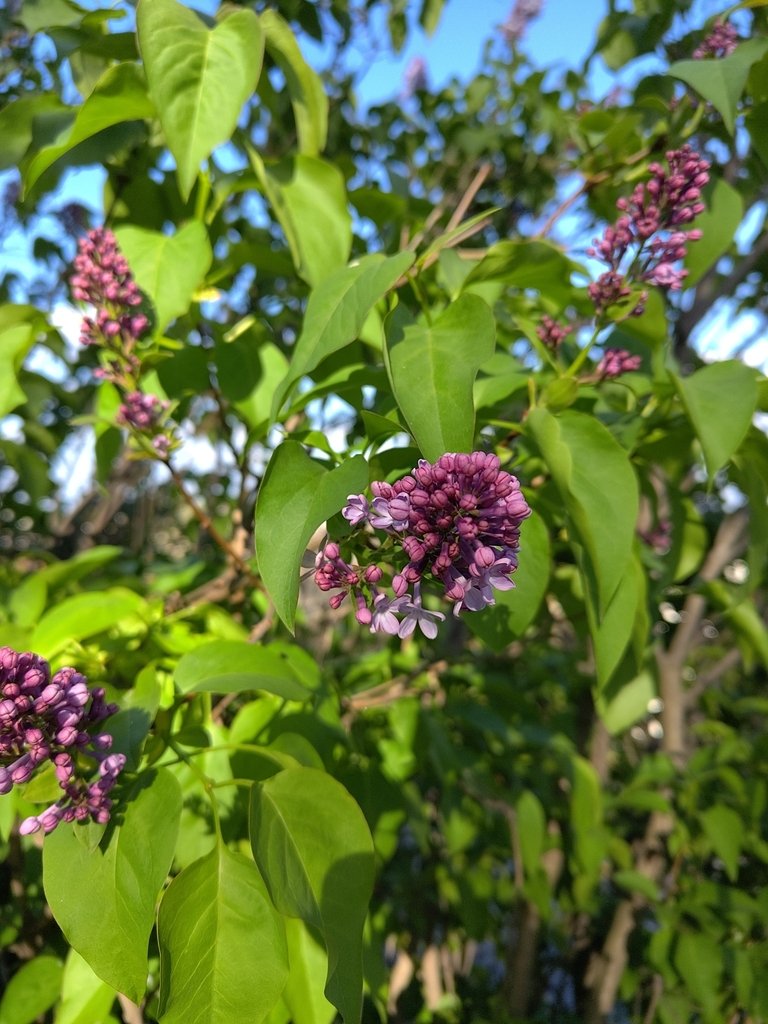
- Botanical name
- Syringa vulgaris
- Also known as
- Common Lilac, Lilac, Purple Lilac
- Family
- Oleaceae
- Genus
- Syringa
- Flowering period
- May to June
- Height
- 3–7 m
- Spread
- 3–5 m
- Hardiness
- Fully hardy (RHS H6)
- Reference
- World Flora Online
How to grow Common Lilac
Full sun
Low once established; water new plants through their first two summers
Fertile, well-drained; tolerates heavy soil if it does not sit wet
Neutral to alkaline
Planting
Plant in autumn or early spring in an open, sunny position. Lilac flowers poorly in shade, so give it room away from the shadow of buildings and larger trees. On acid soils work in garden lime or well-rotted manure before planting.
Pruning
Deadhead as soon as the flowers fade, cutting just above the pair of buds below the spent truss. Otherwise prune only lightly, since flower buds form on the previous year's wood. Old, congested plants can be renovated by taking out a third of the oldest stems at the base over three successive winters.
Propagation
Softwood cuttings in early summer, or by removing rooted suckers in autumn from plants growing on their own roots. Named cultivars are usually grafted, and suckers from those come from the rootstock rather than the variety.
Pests and diseases
Lilac blight (bacterial) can blacken shoots in wet springs; cut affected growth back into clean wood. Powdery mildew often appears on the leaves late in the season but does little real harm.
Value to wildlife
The scented flowers are worked by bees and by butterflies in late spring, a useful bridge between spring blossom and summer nectar.
Notes
Lilac suckers freely and can spread further than expected in a small garden. It also has a short, concentrated flowering season, so it earns its place best at the back of a border where the plain summer foliage is screened.
Some structured details on this page (such as tolerances, pH and hardiness) come from USDA PLANTS Database (public domain). The written guidance is GardenDecoded's own, researched as described in our editorial policy.
Other names for this plant
These names have all been used for Syringa vulgaris but are no longer the accepted name. You may still meet them on old labels, in books, or in nursery catalogues.
Lilac caerulea
Lilac cordato-folia
Lilac suaveolens
Lilac vulgaris
Lilac vulgaris var. alba
Lilac vulgaris var. coerulea
Lilac vulgaris var. purpurea
Lilac vulgaris var. violacea
Liliacum album
Liliacum vulgare
Syringa alba
Syringa albiflora
Syringa amoena
Syringa bicolor
Syringa caerulea
Syringa carlsruhensis
Syringa cordifolia
Syringa cordifolia var. alba
Syringa cordifolia var. caerulescens
Syringa cordifolia var. purpurascens
Syringa latifolia
Syringa lilac
Syringa lilac
Syringa lilac var. alba
Syringa lilac var. purpurea
Syringa lilac var. violacea
Syringa marliensis
Syringa nigricans
Syringa notgeri
Syringa philemon
Syringa rhodopea
Syringa versaliensis
Syringa virginalis
Syringa vulgaris f. alba
Syringa vulgaris f. albipleniflora
Syringa vulgaris f. coerulea
Syringa vulgaris f. plena
Syringa vulgaris f. purpurea
Syringa vulgaris f. violacea
Syringa vulgaris unranked duplex
Syringa vulgaris unranked plena
Syringa vulgaris var. alba
Syringa vulgaris var. alba
Syringa vulgaris var. albiflora
Syringa vulgaris var. albiflora
Syringa vulgaris var. caerulea
Syringa vulgaris var. caerulea
Syringa vulgaris var. caroli
Syringa vulgaris var. coerulea
Syringa vulgaris var. colmariensis
Syringa vulgaris var. lilacina
Syringa vulgaris var. macrantha
Syringa vulgaris var. marlyensis
Syringa vulgaris var. media
Syringa vulgaris var. plena
Syringa vulgaris var. pulchella
Syringa vulgaris var. purpurea
Syringa vulgaris var. purpurea
Syringa vulgaris var. regia
Syringa vulgaris var. rhotomagensis
Others in Syringa
GardenDecoded is an educational gardening reference. Botanical data comes from World Flora Online and GBIF; growing guidance is our own. Always check a plant's toxicity and local invasiveness status before planting, and never eat or apply a plant based on this site alone.