Sorbus aucuparia subsp. aucuparia
Mountain Ash
Sorbus aucuparia
L. Species
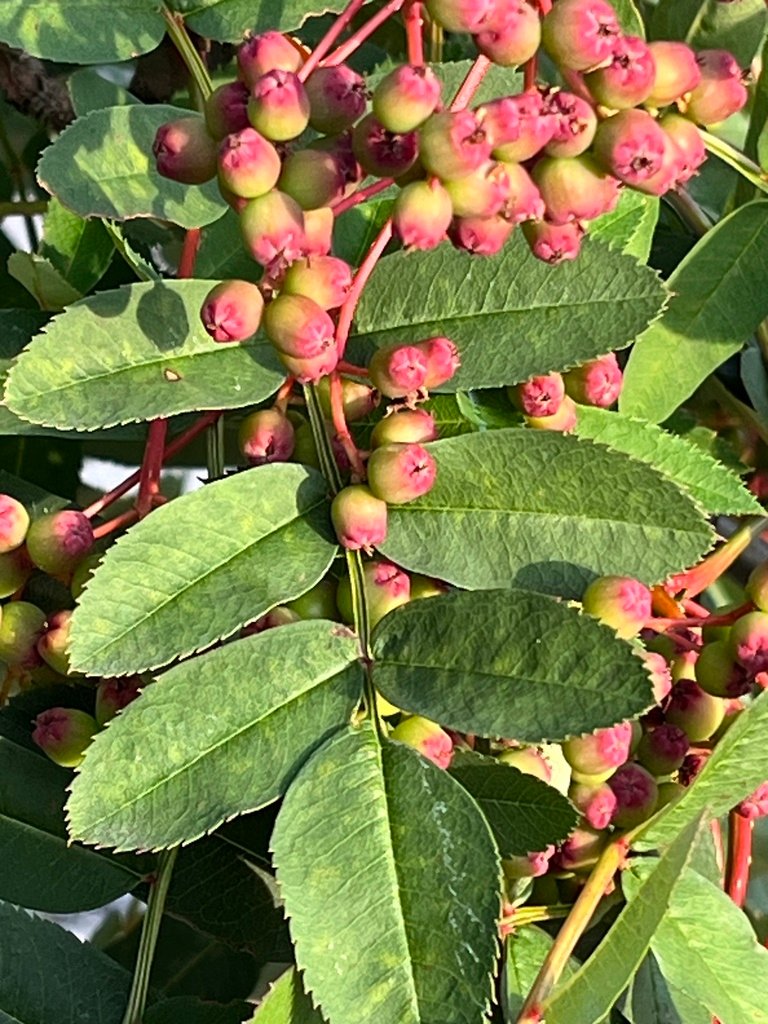
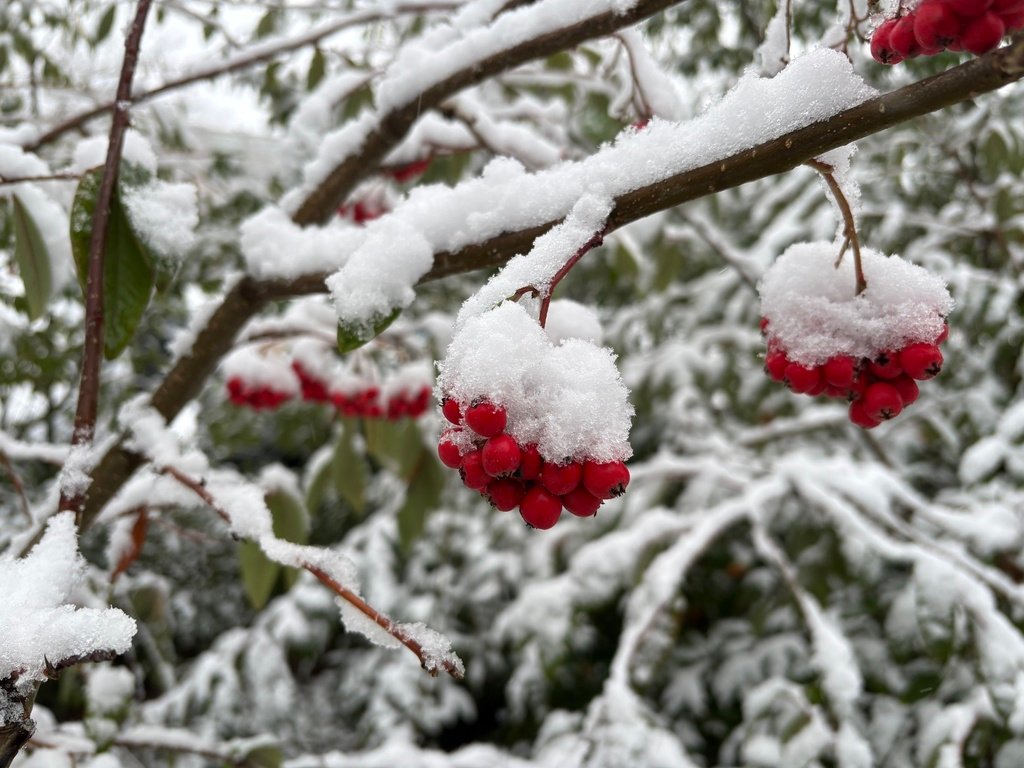
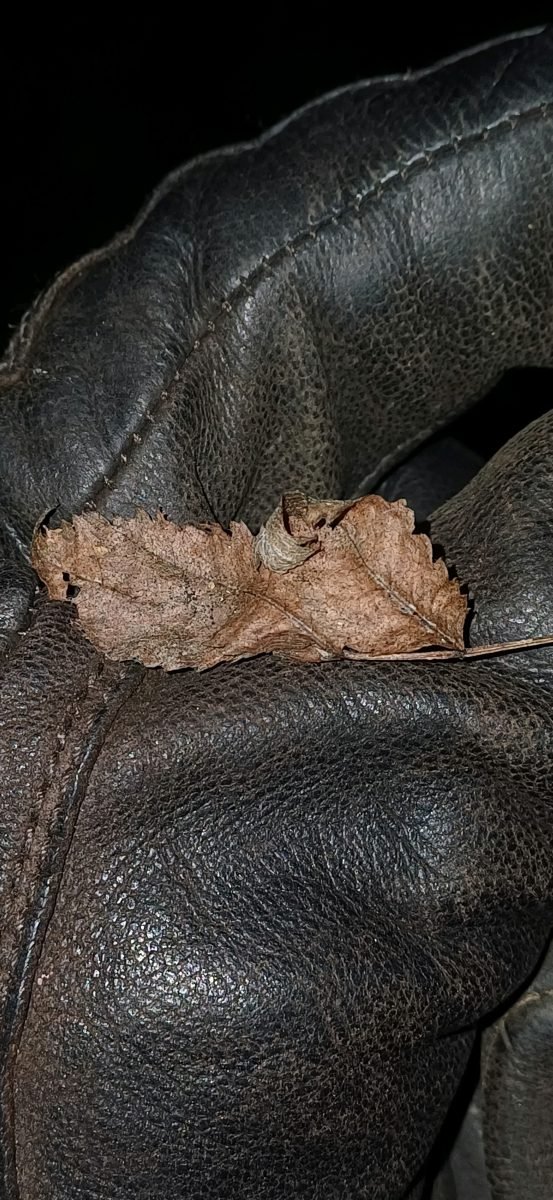
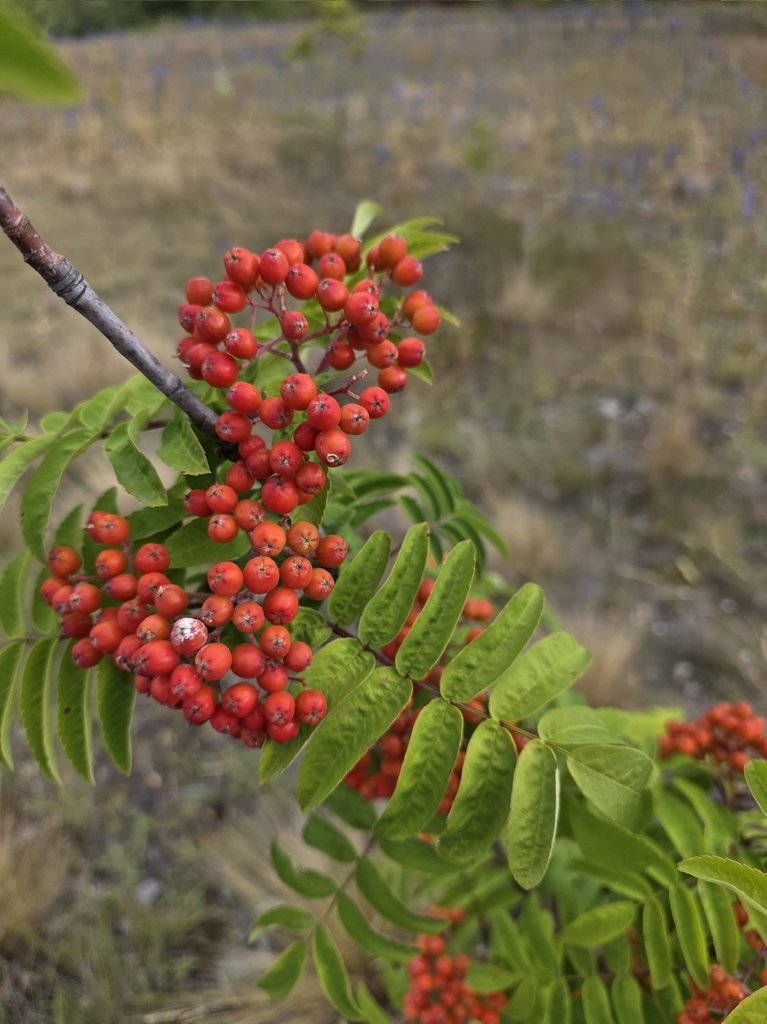
- Botanical name
- Sorbus aucuparia
- Also known as
- Dogberry, European Mountain Ash, European Mountain-Ash, Mountain Ash, Quickbeam, Quicken-Tree, Rowan, Rowan Tree, Rowan-Berry, Rowan, Moutain Ash
- Family
- Rosaceae
- Genus
- Sorbus
- Flowering period
- May to June
- Height
- 8–15 m
- Spread
- 4–7 m
- Hardiness
- Fully hardy (RHS H7)
- Reference
- World Flora Online
How to grow Mountain Ash
Full sun to partial shade
Moderate while young; low once established
Well-drained; dislikes heavy waterlogged clay and shallow chalk
Acid to neutral
Planting
Plant bare-root between November and March, or container-grown at any time the ground is workable. It is one of the better small trees for a modest garden — narrow, light-canopied and not greedy at the root. Stake for the first two years on exposed sites.
Pruning
Needs almost none. Take out dead, damaged or crossing branches between late autumn and midwinter, and resist the urge to shape it — the naturally open habit is the point.
Propagation
Sow berries in autumn after removing the flesh, in pots left outdoors over winter; germination usually follows the second spring. Named forms are grafted and will not come true from seed.
Pests and diseases
Fireblight can kill shoots back rapidly in warm wet weather, showing as blackened, scorched-looking growth — cut well back into clean wood and disinfect tools. Sawflies and aphids occur but rarely need action.
Value to wildlife
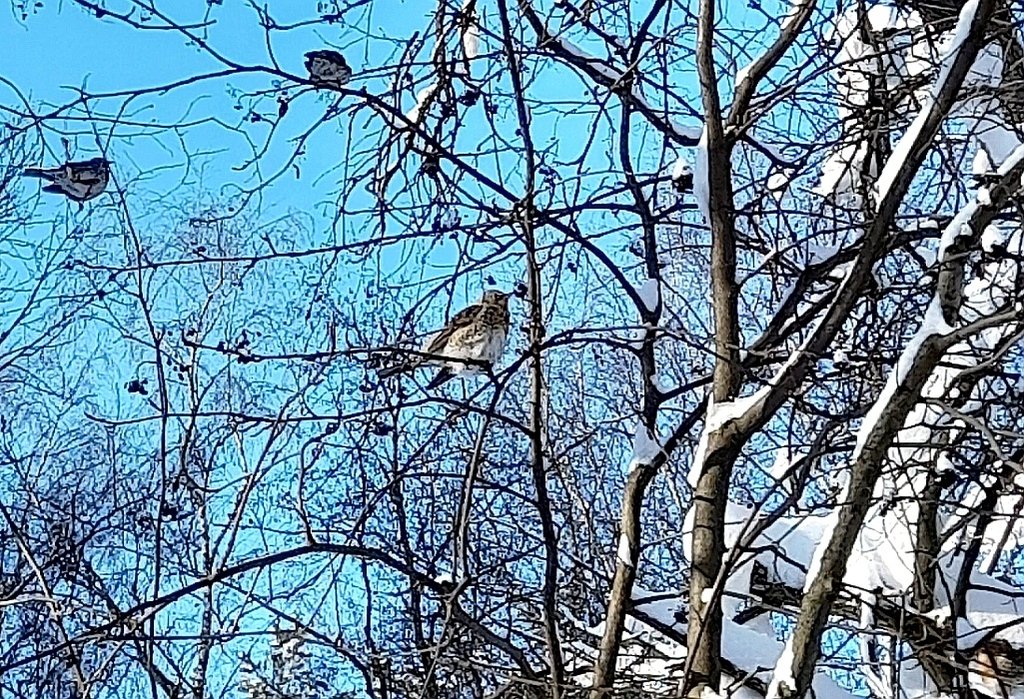
The flat white flower heads draw hoverflies and beetles in late spring, and the berry crop is stripped by blackbirds, thrushes and visiting redwings and fieldfares, often within days of ripening.
Notes
It is short-lived by tree standards and struggles in hot, dry city sites with compacted soil. It performs best in cooler and northern gardens, and colours well in autumn on acid ground.
This guidance was researched and written by GardenDecoded — see our editorial policy for how guides are checked and reviewed.
Other names for this plant
These names have all been used for Sorbus aucuparia but are no longer the accepted name. You may still meet them on old labels, in books, or in nursery catalogues.
Aucuparia pinnata
Aucuparia silvestris
Crataegus aucuparia
Mespilus aucuparia
Pyrenia aucuparia
Pyrus aucuparia
Pyrus aucuparia subsp. aucuparia
Pyrus aucuparia var. typica
Sorbus aucuparia subsp. euaucuparia
Sorbus aucuparia unranked typica
Sorbus aucuparia var. typica
Sorbus boissieri var. adsharica
Sorbus kamtschatcensis
Others in Sorbus
GardenDecoded is an educational gardening reference. Botanical data comes from World Flora Online and GBIF; growing guidance is our own. Always check a plant's toxicity and local invasiveness status before planting, and never eat or apply a plant based on this site alone.