Solidago × beaudryi
Goldenrod
Solidago virgaurea
Bigelow Species
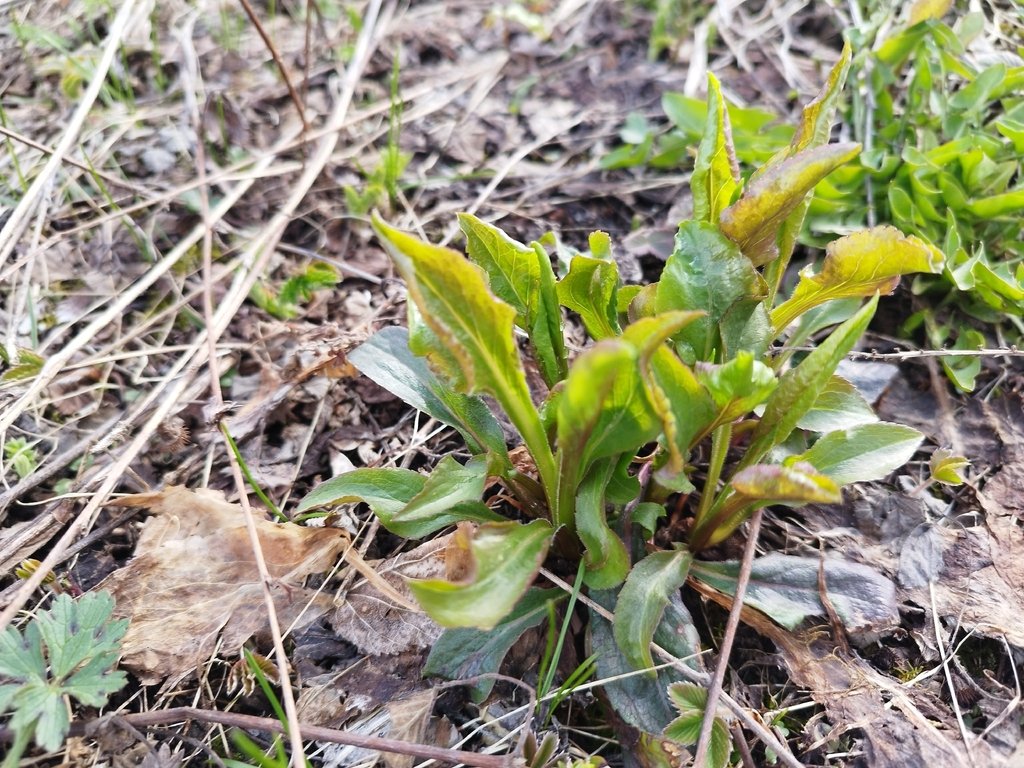

- Botanical name
- Solidago virgaurea
- Family
- Asteraceae
- Genus
- Solidago
- Flowering period
- July to September
- Height
- 30–90 cm
- Spread
- 30–45 cm
- Hardiness
- Fully hardy (RHS H7)
- Reference
- World Flora Online
How to grow Goldenrod
Full sun to light shade
Low once established; water only in prolonged drought
Any reasonably drained soil, including poor and sandy ground
Acid to neutral
Planting
Plant in autumn or spring in an open position. This is the native European species, much less coarse than the tall American goldenrods, so it sits comfortably in a mixed border or a wildflower area. It tolerates thin, dry soil better than rich ground, where it flops.
Pruning
Cut the spent stems down in late autumn or leave them standing over winter for seed-eating birds and overwintering insects, then clear in early spring. Deadheading the first flush can prolong flowering slightly and reduces self-seeding.
Propagation
Divide established clumps in autumn or early spring — this is much the quickest method. Seed sown fresh in autumn and left outside to chill will germinate, though seedlings are variable in vigour.
Pests and diseases
Generally trouble-free. Powdery mildew can appear on the foliage in a dry summer, particularly on plants under stress; this is unsightly rather than serious.
Value to wildlife
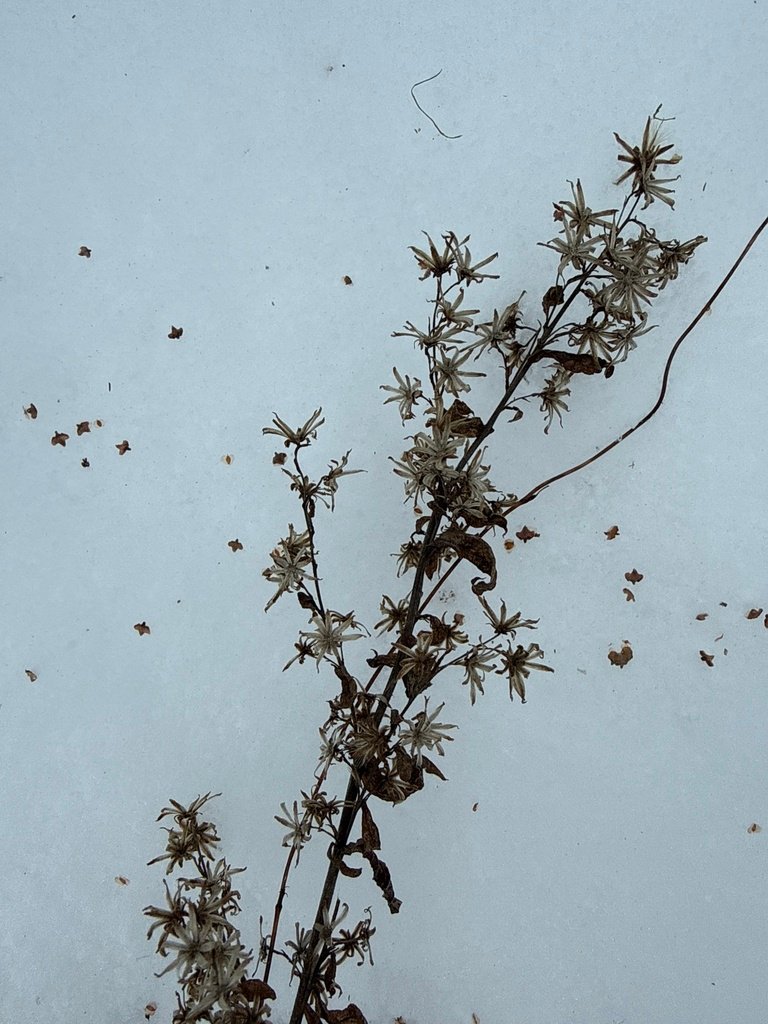
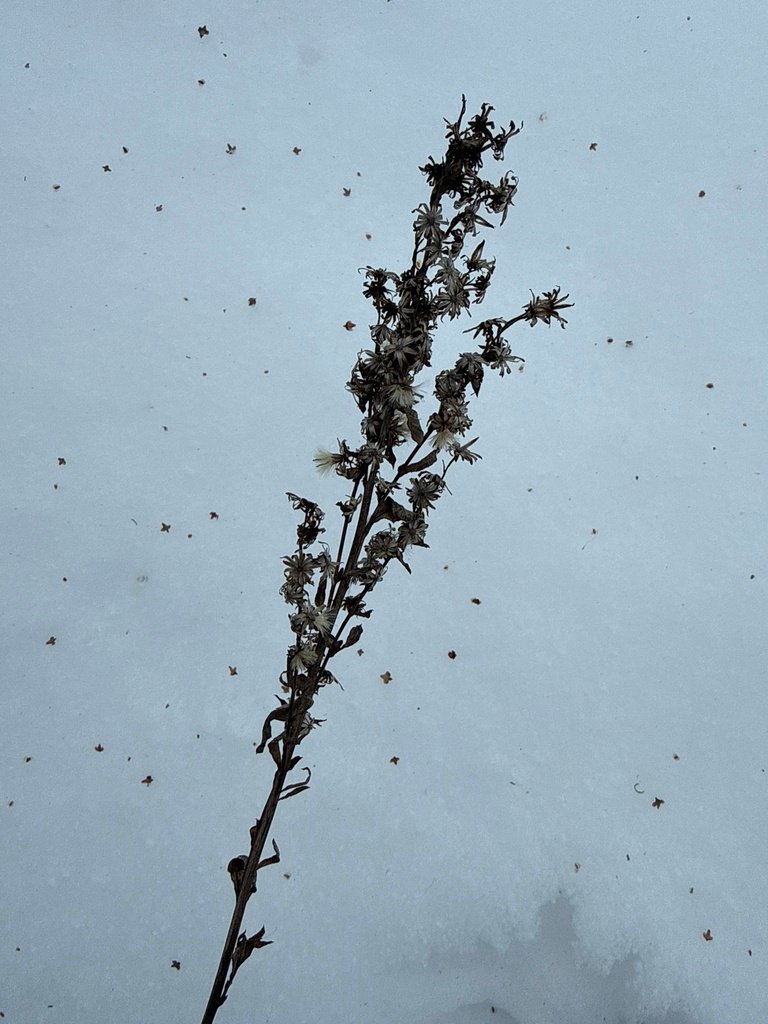
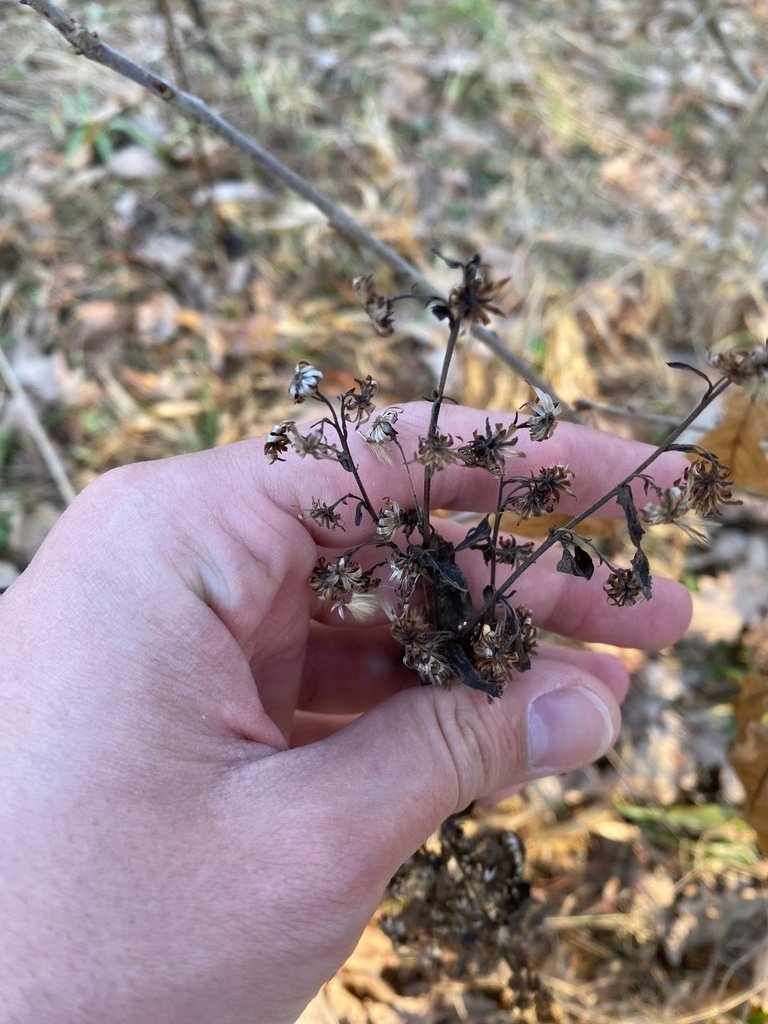
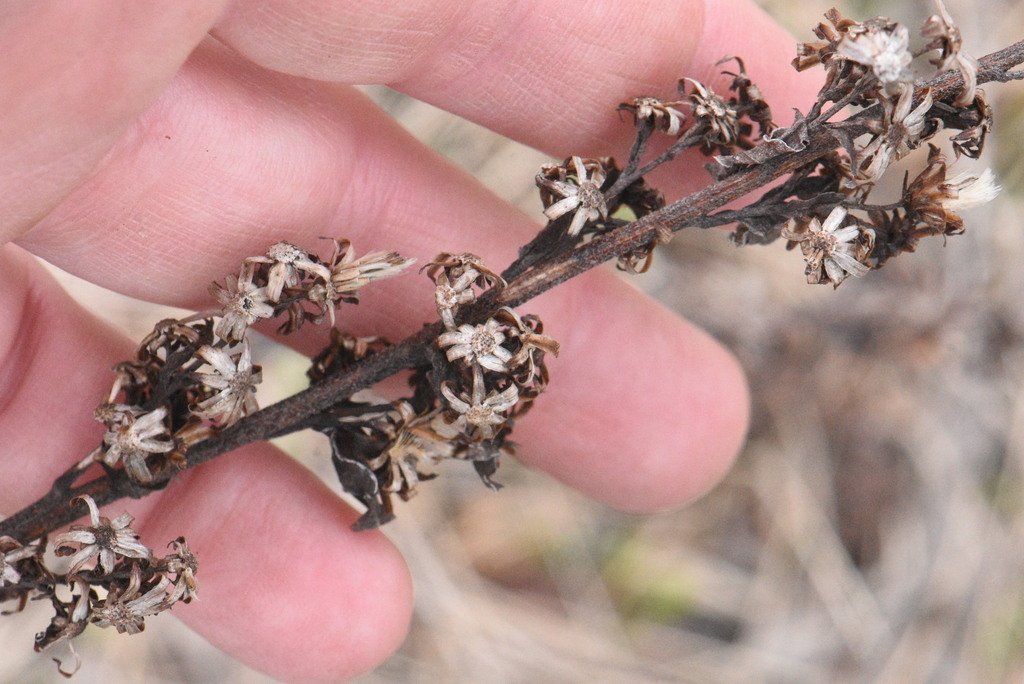
A valuable late-summer nectar source for hoverflies, solitary bees and butterflies at a point in the season when many border plants have finished. The seed heads feed finches through autumn.
Notes
Species goldenrod is far better behaved than its reputation suggests — the invasive spreaders in British gardens are usually North American species and hybrids, not this one. It still seeds about on light soil, so remove unwanted seedlings while small.
This guidance was researched and written by GardenDecoded — see our editorial policy for how guides are checked and reviewed.
Others in Solidago
GardenDecoded is an educational gardening reference. Botanical data comes from World Flora Online and GBIF; growing guidance is our own. Always check a plant's toxicity and local invasiveness status before planting, and never eat or apply a plant based on this site alone.