Scilla luciliae
Siberian Squill
Scilla siberica
Andrews Species

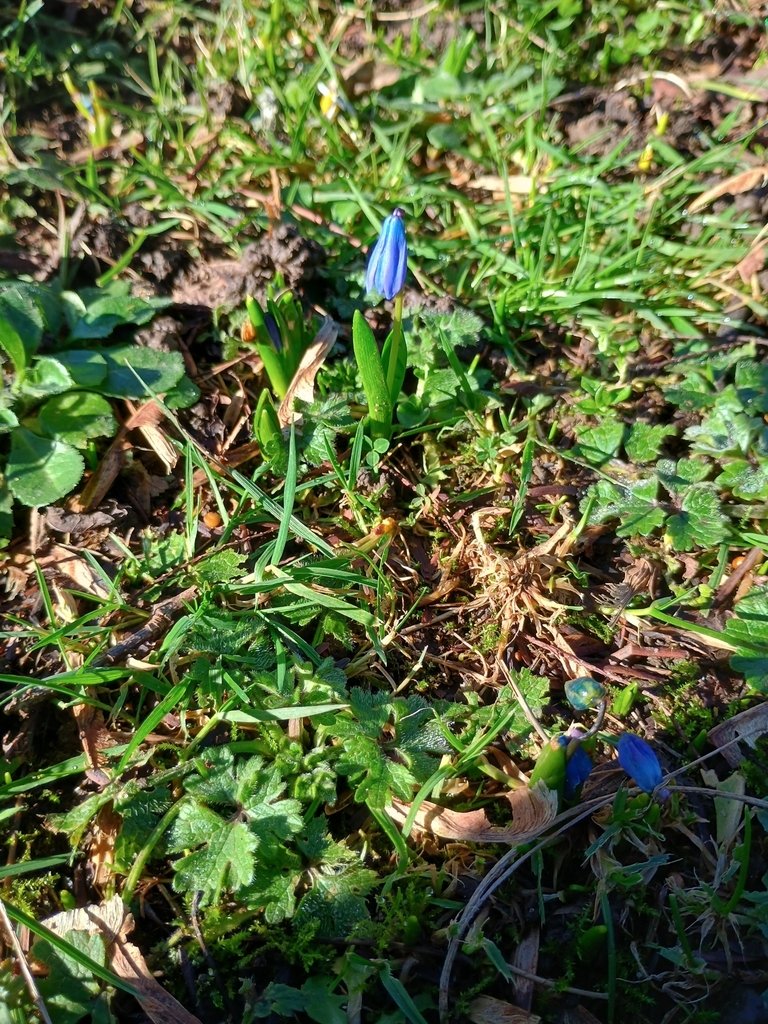
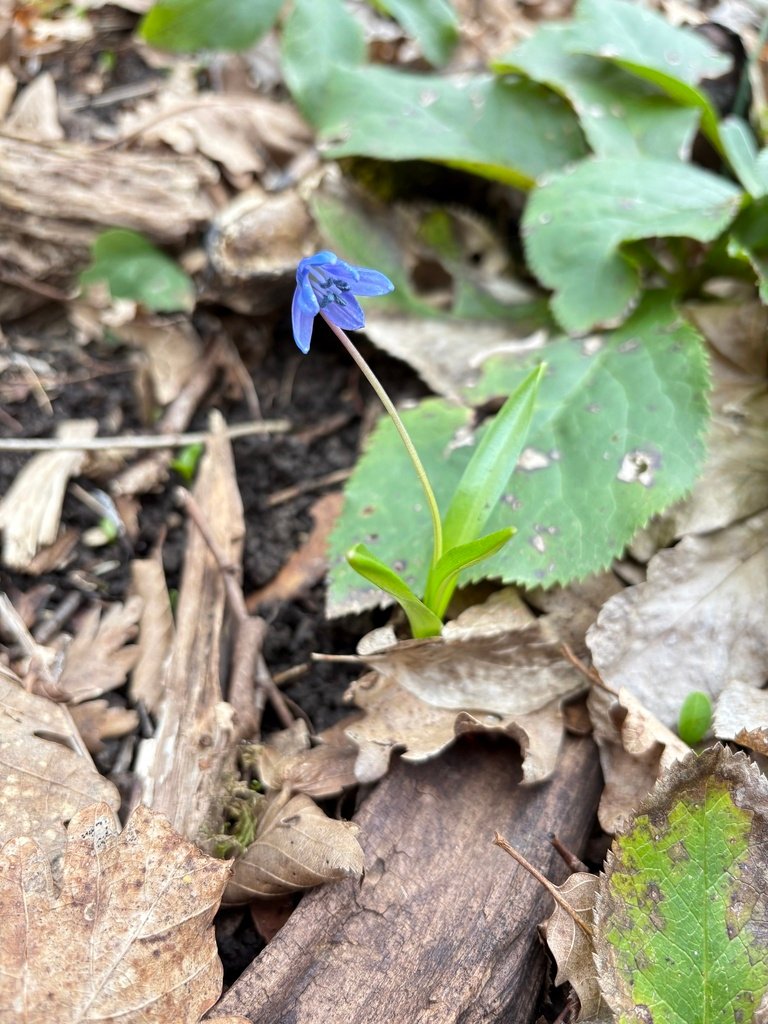


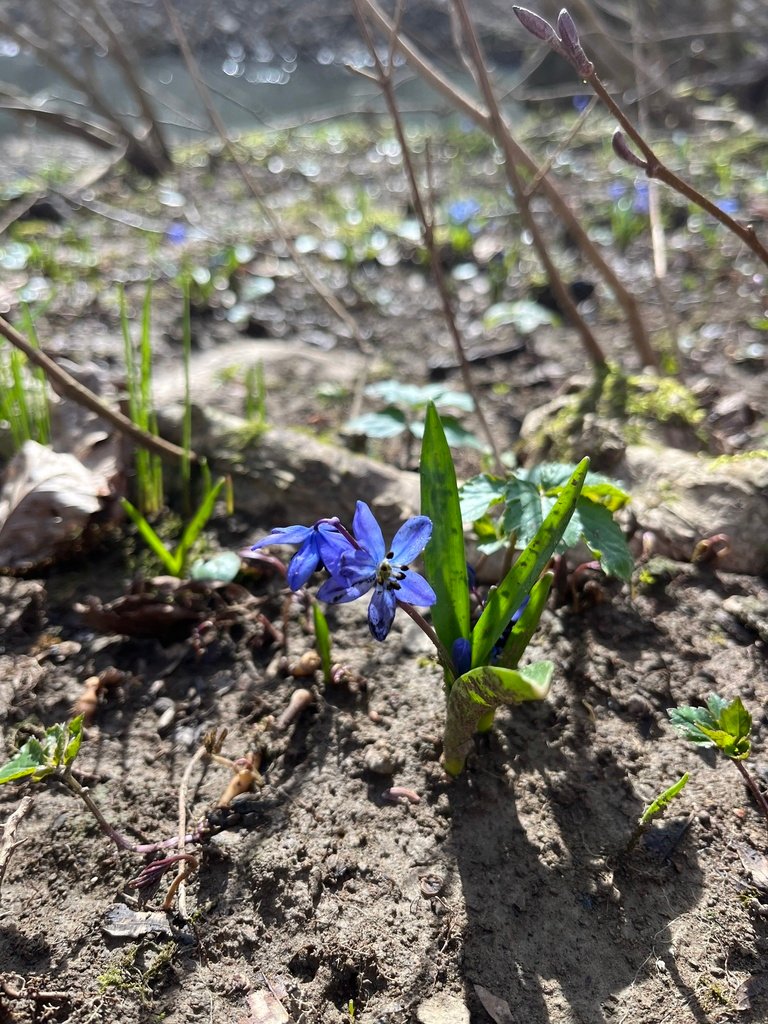
- Botanical name
- Scilla siberica
- Also known as
- Siberian Squill, Squill
- Family
- Asparagaceae
- Genus
- Scilla
- Flowering period
- March to April
- Height
- 10–15 cm
- Spread
- 5–8 cm
- Hardiness
- Fully hardy (RHS H6)
- Reference
- World Flora Online
How to grow Siberian Squill
Full sun to partial shade
Low; relies on spring moisture only
Well-drained, moderately fertile
Acid to alkaline
Planting
Plant bulbs 5-8 cm deep in early autumn and do not skimp on numbers - the colour only reads properly in quantity. Good under deciduous shrubs and trees, where it flowers and finishes before the canopy closes.
Pruning
Nothing needed. Let the foliage die back in its own time.
Propagation
Self-seeds steadily and will form a carpet over several years. Divide clumps in summer if you want to move it around faster.
Pests and diseases
Generally trouble-free.
Value to wildlife
Early pollen and nectar for bees, and one of the more reliable March forage plants.
Notes
The blue is stronger and darker than most spring bulbs, which makes it awkward next to yellow daffodils and good with white or pale foliage. It naturalises willingly but is not aggressive.
This guidance was researched and written by GardenDecoded — see our editorial policy for how guides are checked and reviewed.
Other names for this plant
These names have all been used for Scilla siberica but are no longer the accepted name. You may still meet them on old labels, in books, or in nursery catalogues.
Othocallis siberica
Scilla cernua
Scilla praecox
Scilla pratensis
Scilla siberica var. gracilis
Others in Scilla
GardenDecoded is an educational gardening reference. Botanical data comes from World Flora Online and GBIF; growing guidance is our own. Always check a plant's toxicity and local invasiveness status before planting, and never eat or apply a plant based on this site alone.