Scabiosa andryalifolia
Small Scabious
Scabiosa columbaria
L. Species


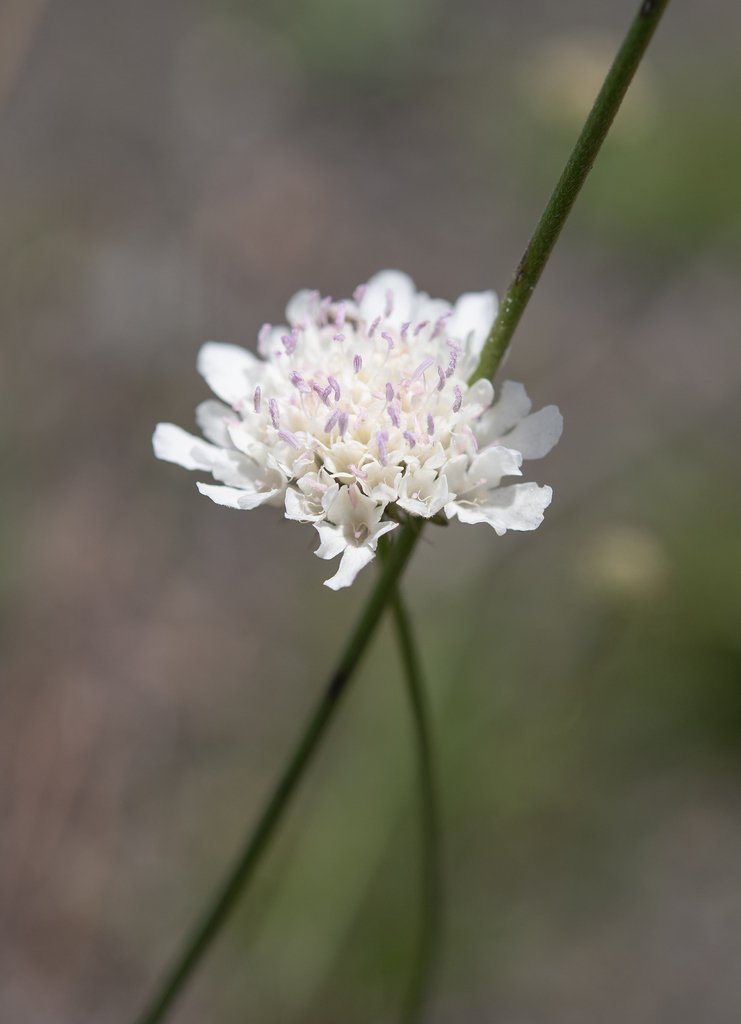
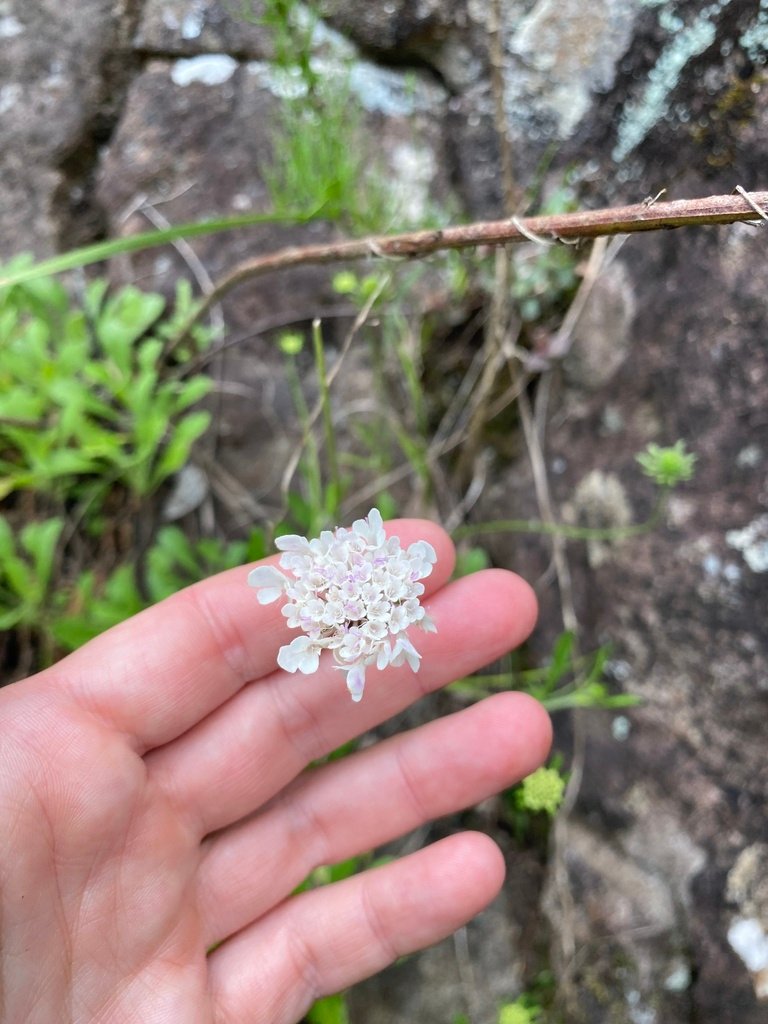


- Botanical name
- Scabiosa columbaria
- Also known as
- Pigeon's Scabious, Small Scabious, Yellow Scabious
- Family
- Caprifoliaceae
- Genus
- Scabiosa
- Flowering period
- June to September
- Height
- 30–60 cm
- Spread
- 30–45 cm
- Hardiness
- Fully hardy (RHS H5)
- Reference
- World Flora Online
How to grow Small Scabious
Full sun
Low to moderate; needs good drainage
Well-drained, moderately fertile; thrives on chalk
Neutral to alkaline; dislikes acid soil
Planting
Plant in spring in an open sunny position with sharp drainage. It is a plant of chalk and limestone grassland and will not tolerate a wet winter in heavy soil — add grit, or grow it in a raised bed or gravel garden.
Pruning
Deadhead persistently and it will flower for months. Leave the last flush to form the rounded seed heads, which stand well, then cut back in early spring.
Propagation
Sow seed in spring, or divide established plants in spring. Basal cuttings taken in spring also root well.
Pests and diseases
Few problems. Losses over winter are usually down to wet soil rather than cold or disease.
Value to wildlife
One of the better plants for butterflies and bees, with an exceptionally long flowering season and easily accessible nectar. Goldfinches take the seed.
Notes
Not long-lived on soil that suits it poorly, so keep a few young plants coming. Regular deadheading makes a real difference to the length of the season here — more so than with most perennials.
This guidance was researched and written by GardenDecoded — see our editorial policy for how guides are checked and reviewed.
Other names for this plant
These names have all been used for Scabiosa columbaria but are no longer the accepted name. You may still meet them on old labels, in books, or in nursery catalogues.
Asterocephalus amoenus
Asterocephalus columbaria
Asterocephalus mollissimus
Asterocephalus pumilus
Asterocephalus pyrenaicus
Columbaria minor
Columbaria patens
Columbaria rubella
Columbaria vulgaris
Scabiosa acaulis
Scabiosa amoena
Scabiosa balbini
Scabiosa brigantiaca
Scabiosa caerulea
Scabiosa caesaraugustana
Scabiosa commutata
Scabiosa dubia
Scabiosa grisea
Scabiosa hyrcanica
Scabiosa koelzii
Scabiosa laciniata
Scabiosa levieri
Scabiosa longicincta
Scabiosa longipedunculata
Scabiosa nitida
Scabiosa nudicaulis
Scabiosa orophila
Scabiosa patens
Scabiosa peduncularis
Scabiosa permixta
Scabiosa polymorpha
Scabiosa pumila
Scabiosa purpurea
Scabiosa rubella
Scabiosa spreta
Scabiosa subalpina
Scabiosa thunbergii
Scabiosa tolosana
Sclerostemma columbarium
Succisa columbaria
Others in Scabiosa
GardenDecoded is an educational gardening reference. Botanical data comes from World Flora Online and GBIF; growing guidance is our own. Always check a plant's toxicity and local invasiveness status before planting, and never eat or apply a plant based on this site alone.