Sambucus racemosa subsp. pubens
Common Elderberry
Sambucus nigra
L. Species


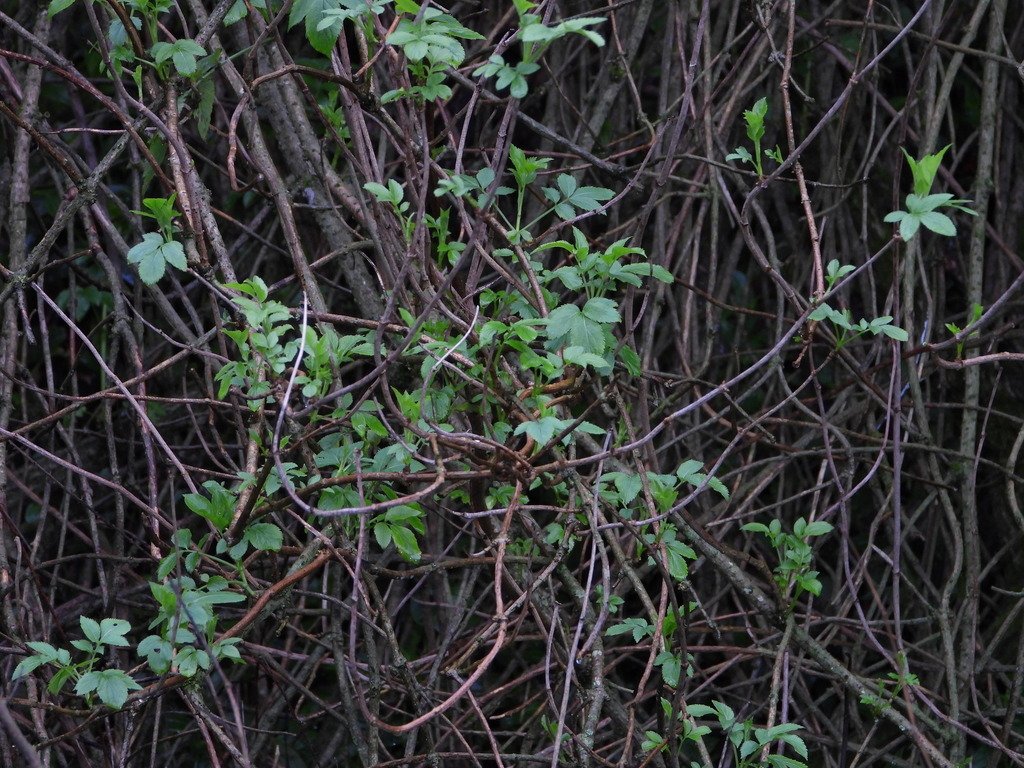

- Botanical name
- Sambucus nigra
- Also known as
- Black Elder, Black Elderberry, Common Elder, Common Elderberry, Elder, Elderberry, European Black Elder, European Black Elderberry, European Elder, European Elderberry, Europen Elder, West Indian Elder
- Family
- Viburnaceae
- Genus
- Sambucus
- Flowering period
- June
- Height
- 4–6 m
- Spread
- 3–4 m
- Hardiness
- Fully hardy (RHS H6)
- Reference
- World Flora Online
How to grow Common Elderberry
Full sun to partial shade; coloured-leaved forms need sun
Low once established
Most soils; favours fertile, moist, nitrogen-rich ground
Planting
Fast, coarse and undemanding — good for a wild corner or a quick screen, less so for a formal border. It naturalises readily from bird-sown seed, and you will find seedlings.
Pruning
For the cut-leaved and dark-leaved ornamental forms, cut hard back to a low framework in late winter each year; this gives the best foliage but sacrifices the flowers. Plants grown for flowers and fruit should just have old stems thinned out.
Propagation
Hardwood cuttings in autumn root very easily. Softwood cuttings in summer also work.
Pests and diseases
Blackfly can swarm on the shoot tips in early summer. Otherwise robust.
Value to wildlife
High. Broad flat flowerheads feed hoverflies and other insects in June, and the black berries are taken in quantity by blackbirds, starlings and thrushes.
Notes
The wood is brittle and large plants split in wind. Keep them cut back rather than letting an elder build a heavy top. Raw berries and all green parts should not be eaten — check its toxicity before planting where children or pets have access.
This guidance was researched and written by GardenDecoded — see our editorial policy for how guides are checked and reviewed.
Other names for this plant
These names have all been used for Sambucus nigra but are no longer the accepted name. You may still meet them on old labels, in books, or in nursery catalogues.
Sambucus alba
Sambucus aurea
Sambucus columnaris
Sambucus dissecta
Sambucus elegans
Sambucus graveolens
Sambucus hirta
Sambucus laciniata
Sambucus leucocarpa
Sambucus lucida
Sambucus monstrosa
Sambucus nigra f. laciniata
Sambucus nigra f. laciniata
Sambucus nigra f. pendula
Sambucus nigra subsp. nigra
Sambucus nigra var. laciniata
Sambucus pulverulenta
Sambucus pyramidata
Sambucus virescens
Sambucus vulgaris
Others in Sambucus
GardenDecoded is an educational gardening reference. Botanical data comes from World Flora Online and GBIF; growing guidance is our own. Always check a plant's toxicity and local invasiveness status before planting, and never eat or apply a plant based on this site alone.