Salix × altobracensis
European Willow
Salix alba
L. Species
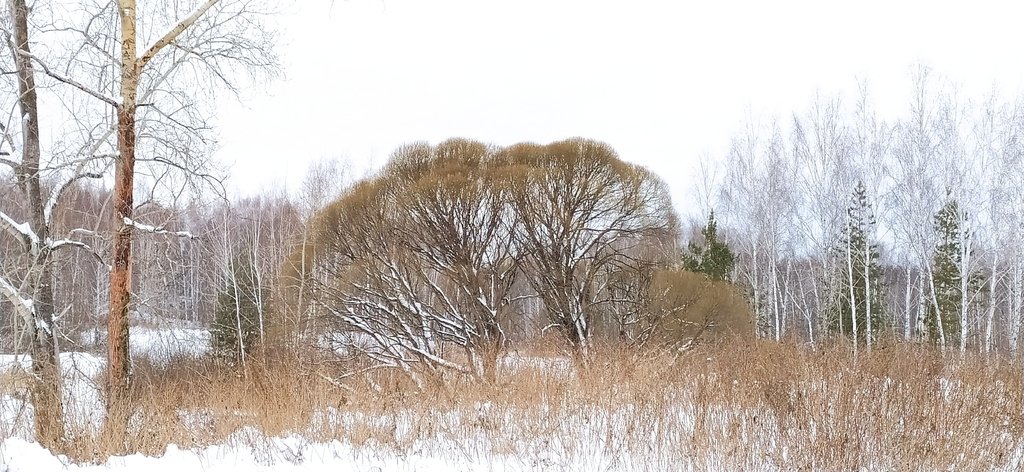
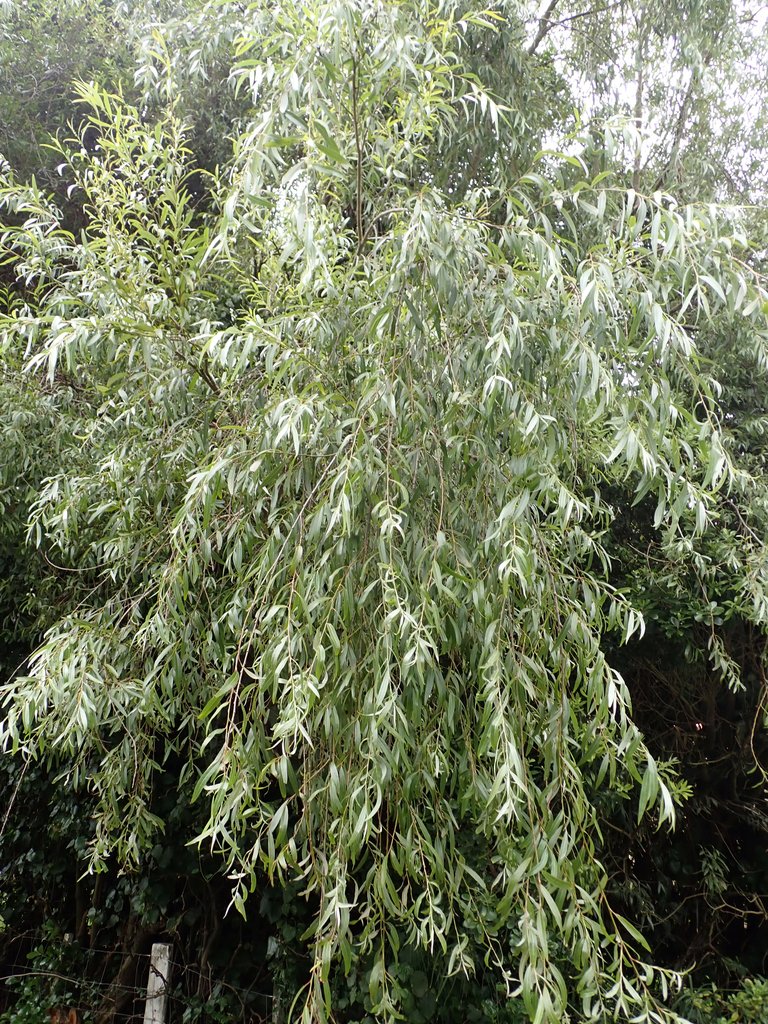
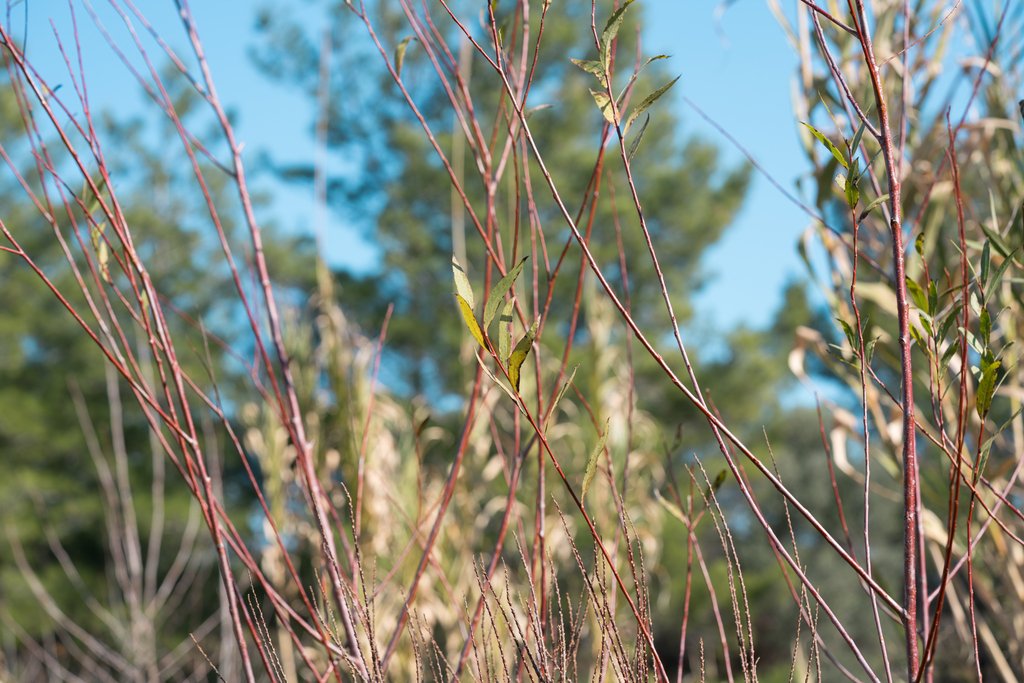
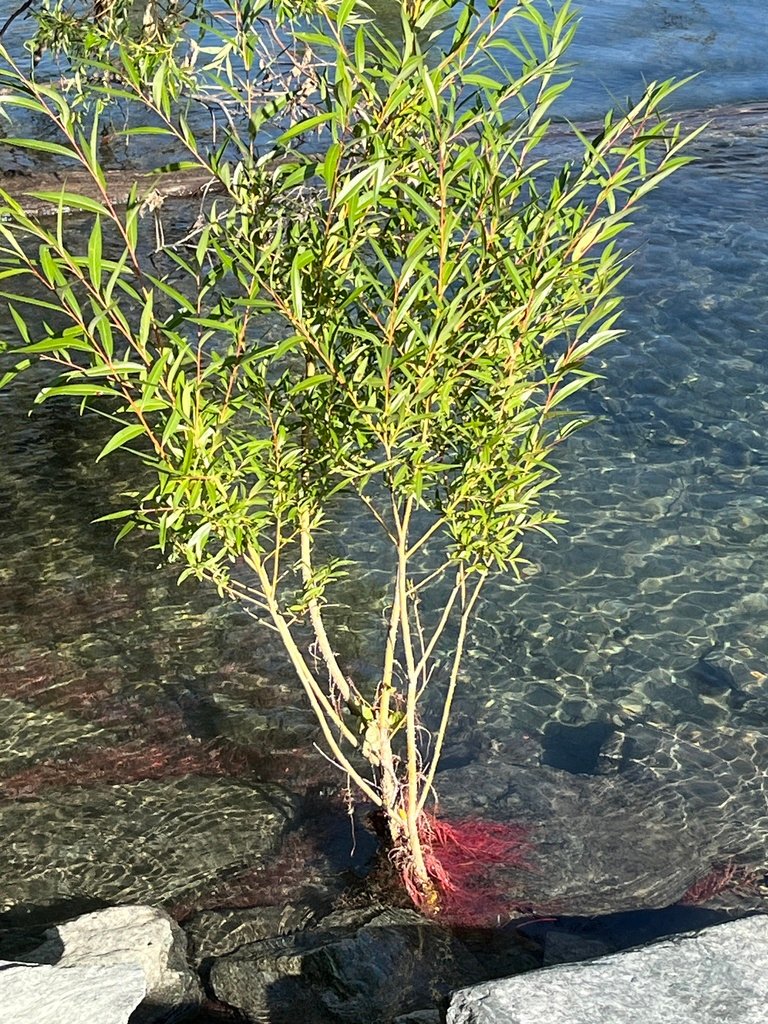
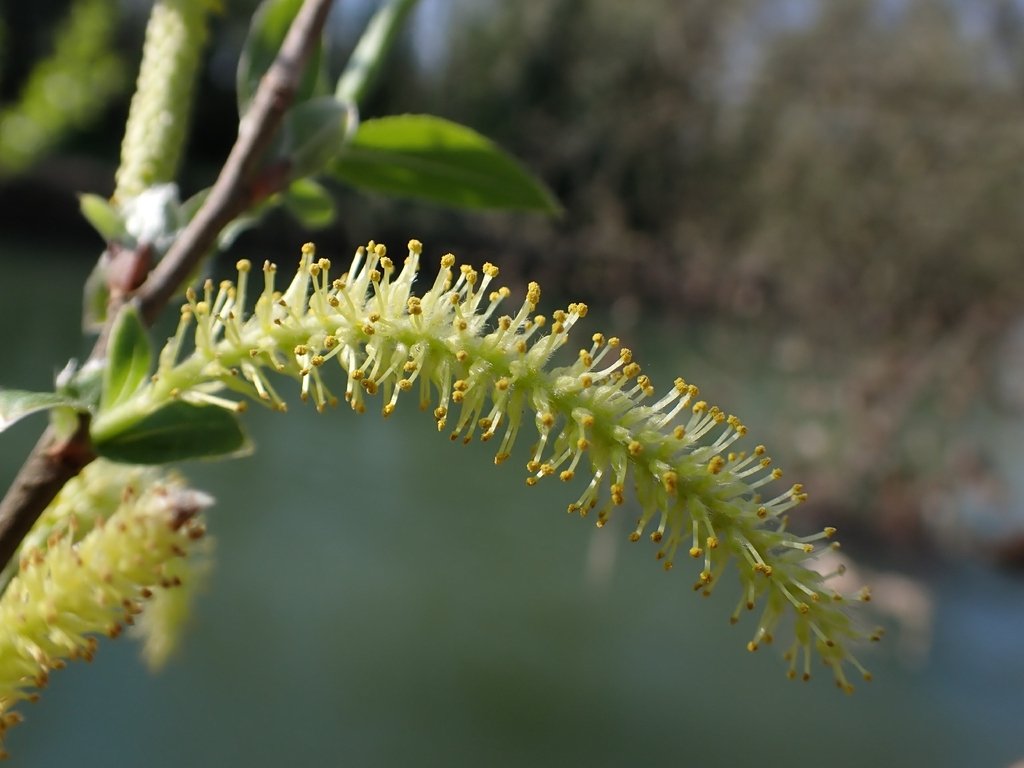
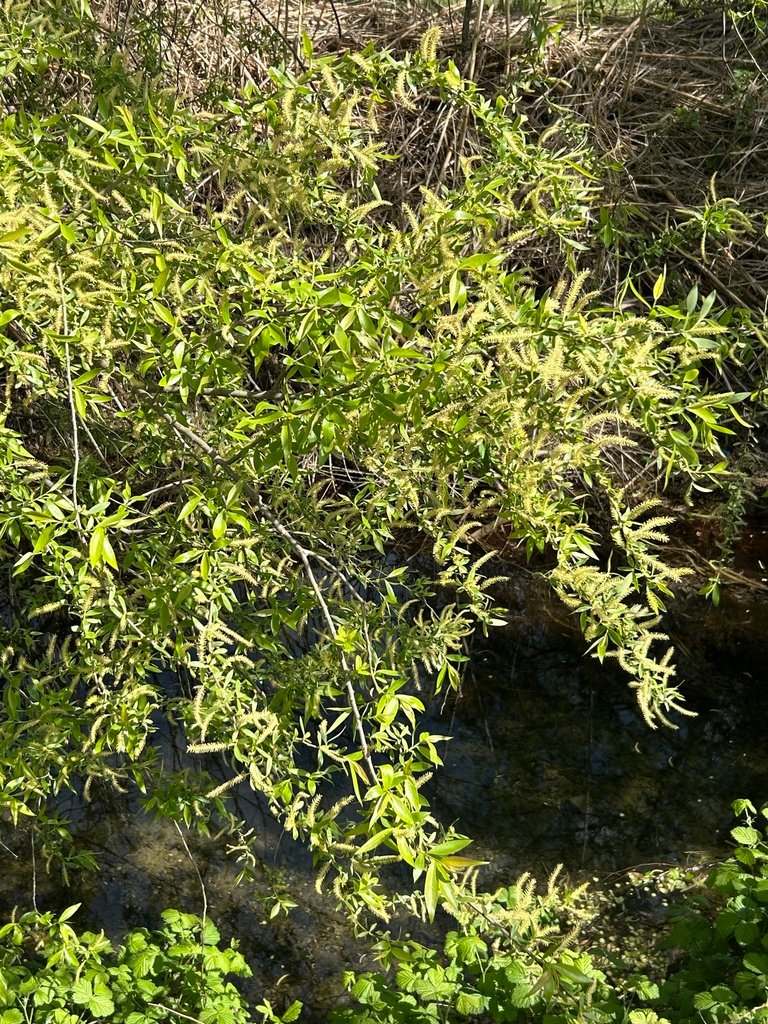
- Botanical name
- Salix alba
- Also known as
- Cricket-Bat Willow, European Willow, Golden Willow, White Willow, White-Willow
- Family
- Salicaceae
- Genus
- Salix
- Flowering period
- April to May
- Height
- 15–25 m
- Spread
- 10–15 m
- Hardiness
- Fully hardy (RHS H6)
- Reference
- World Flora Online
How to grow European Willow
Full sun
Needs consistently moist ground; not drought-tolerant
Damp to wet soil, including heavy clay and riverbanks
Acid, neutral or alkaline
Planting
Plant bare-root in winter, or simply push a cut length of dormant stem into damp ground — willow roots that readily. Site it at least 20 m from buildings and drains; the roots are aggressive and will find any moisture, including cracked pipework.
Pruning
Pollard or coppice on a two- to five-year cycle in late winter if you want to keep the size down or harvest rods. Once you start pollarding, keep it up — a long-neglected pollard develops heavy limbs that tear out. Untouched trees need only deadwood removal.
Propagation
Hardwood cuttings, 20–30 cm, pushed into moist soil in winter. Success rates are very high and no rooting hormone is needed.
Pests and diseases
Willow anthracnose causes leaf spotting and shoot dieback in wet springs, and various sawflies, beetles and gall mites feed on the foliage without doing lasting harm. Watersheds of decay in old pollards are normal rather than a disease.
Value to wildlife
Early catkins are an important pollen and nectar source in April, and the foliage supports a wide range of moth caterpillars. Riverside trees stabilise banks and shade the water.
Notes
This is a large, fast, thirsty tree — the commonest mistake is planting it in a small garden because a young one looked manageable. If space is limited, choose a coloured-stem willow grown as an annually coppiced stool instead.
This guidance was researched and written by GardenDecoded — see our editorial policy for how guides are checked and reviewed.
Other names for this plant
These names have all been used for Salix alba but are no longer the accepted name. You may still meet them on old labels, in books, or in nursery catalogues.
Argorips alba
Argorips cerulea
Salix alba f. ovalis
Salix alba subsp. caerulea
Salix alba var. alba
Salix alba var. denudata
Salix caerulea
Salix pallida
Salix pameachiana
Salix regalis
Others in Salix
GardenDecoded is an educational gardening reference. Botanical data comes from World Flora Online and GBIF; growing guidance is our own. Always check a plant's toxicity and local invasiveness status before planting, and never eat or apply a plant based on this site alone.