Rudbeckia californica
Blackeyed Susan
Rudbeckia hirta
L. Species
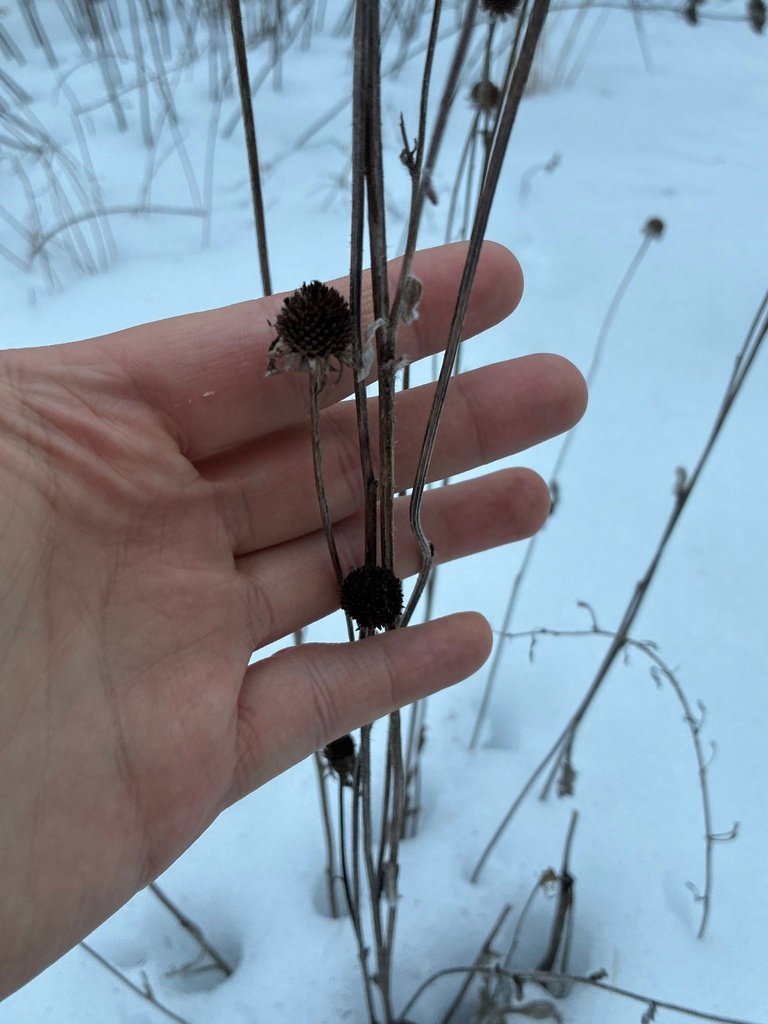
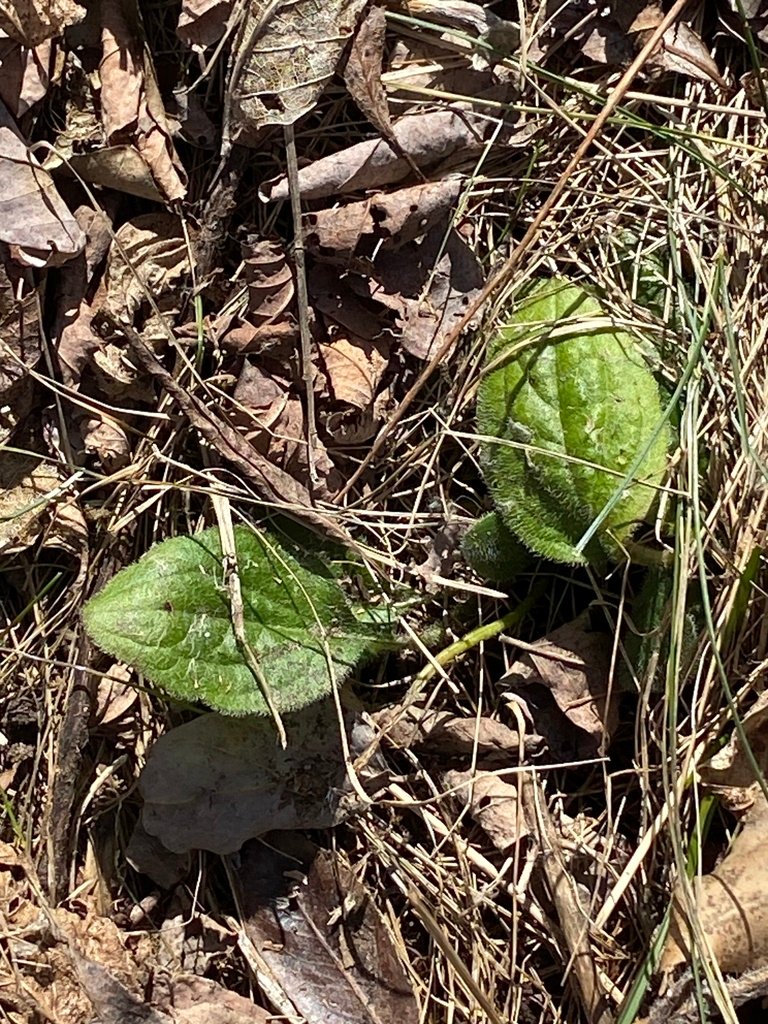


- Botanical name
- Rudbeckia hirta
- Also known as
- Black-Eyed Susan, Black-Eyed-Susan, Blackeyed Susan, Hairy Coneflower
- Family
- Asteraceae
- Genus
- Rudbeckia
- Flowering period
- July to October
- Height
- 45–90 cm
- Spread
- 30–45 cm
- Hardiness
- Not reliably perennial in the UK; usually grown as an annual or
- Reference
- World Flora Online
How to grow Blackeyed Susan
Full sun
Moderate; water in dry spells for continued flowering
Reasonably fertile, well-drained
Neutral
Planting
Sow under cover in early spring and plant out after the last frost, or sow direct in late spring. Treat it as a bedding or gap-filling plant rather than a permanent border perennial: it is short-lived in British conditions and frequently does not return after a wet winter.
Pruning
Deadhead regularly to keep flowering going into autumn. Leave the last heads standing for the seed if you would rather feed birds than extend the display.
Propagation
Seed, sown fresh in spring. It self-seeds in some gardens, though not reliably on heavy or cold soil.
Pests and diseases
Slugs take young plants after planting out. Powdery mildew and leaf spot appear late in the season, by which time the display is largely over.
Value to wildlife
The daisy flowers are open and easily worked by bees, hoverflies and butterflies well into autumn, and finches take the seed from spent heads.
Notes
Do not confuse it with the genuinely perennial Rudbeckia fulgida, which is longer-lived and hardier. Buy or sow fresh each year unless yours self-seeds.
Some structured details on this page (such as tolerances, pH and hardiness) come from USDA PLANTS Database (public domain). The written guidance is GardenDecoded's own, researched as described in our editorial policy.
Other names for this plant
These names have all been used for Rudbeckia hirta but are no longer the accepted name. You may still meet them on old labels, in books, or in nursery catalogues.
Centrocarpha gracilis
Centrocarpha hirta
Centrocarpha hirta
Coreopsis hirta
Helianthus hirtus
Rudbeckia hirta f. hirta
Rudbeckia serotina
Others in Rudbeckia
GardenDecoded is an educational gardening reference. Botanical data comes from World Flora Online and GBIF; growing guidance is our own. Always check a plant's toxicity and local invasiveness status before planting, and never eat or apply a plant based on this site alone.