Rhododendron × abhayae
Common Rhododendron
Rhododendron ponticum
L. Species


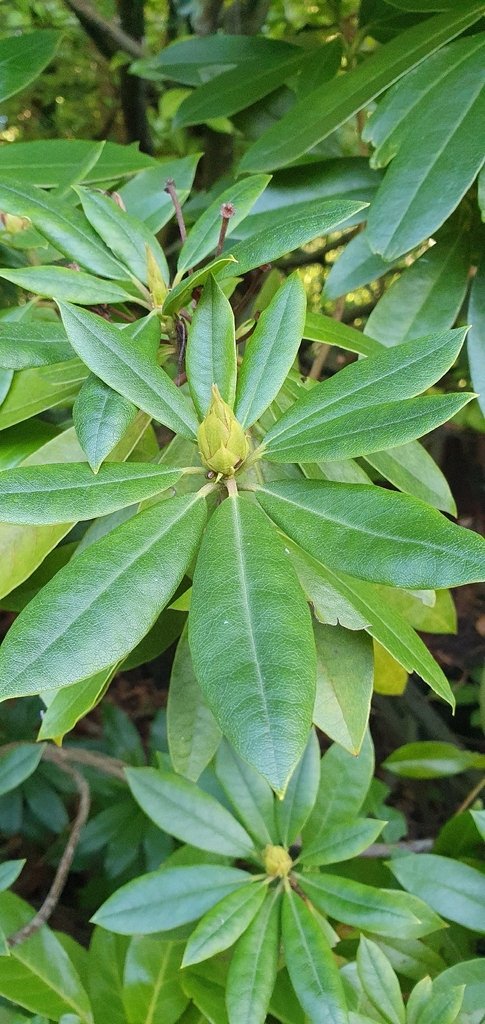


- Botanical name
- Rhododendron ponticum
- Also known as
- Common Rhododendron, Rhododendron
- Family
- Ericaceae
- Genus
- Rhododendron
- Flowering period
- May to June
- Height
- 3–5 m
- Spread
- 3–5 m
- Hardiness
- Fully hardy (RHS H6)
- Reference
- World Flora Online
How to grow Common Rhododendron
Partial shade to full sun in moist soil
Moderate; shallow-rooted and intolerant of drought
Moist, humus-rich, well-drained ericaceous soil
Acid
Pruning
It tolerates hard cutting back and will reshoot vigorously from old wood — which is part of why it is so hard to eradicate once established.
Pests and diseases
It is a significant host of Phytophthora ramorum, and infected plants in the wider landscape are subject to statutory control.
Notes
This species should not be planted. It is listed on Schedule 9 of the Wildlife and Countryside Act 1981 in England and Wales, making it an offence to plant it or cause it to grow in the wild, and it has invaded large areas of woodland and upland Britain by seed and layering. If you have inherited it, the practical approach is removal, and land managers should check current guidance on disposal and on Phytophthora restrictions before starting. It is also the rootstock on which older hybrid rhododendrons were grafted — suckers from below the graft union are this species and should be cut out. Check its toxicity, including that of honey made from it, before keeping it where children or pets have access.
This guidance was researched and written by GardenDecoded — see our editorial policy for how guides are checked and reviewed.
Other names for this plant
These names have all been used for Rhododendron ponticum but are no longer the accepted name. You may still meet them on old labels, in books, or in nursery catalogues.
Azalea arborea
Azalea lancifolia
Hymenanthes pontica
Rhododendron adansonii
Rhododendron catesbaeum
Rhododendron deciduum
Rhododendron hyacinthiflorum
Rhododendron lancifolium
Rhododendron lowei
Rhododendron obtusum
Rhododendron odoratum
Rhododendron parviflorum
Rhododendron ponticum var. obtusum
Rhododendron speciosum
Others in Rhododendron
GardenDecoded is an educational gardening reference. Botanical data comes from World Flora Online and GBIF; growing guidance is our own. Always check a plant's toxicity and local invasiveness status before planting, and never eat or apply a plant based on this site alone.