Quercus × andegavensis nothosubsp. × andegavensis
Common Oak
Quercus robur
L. Species
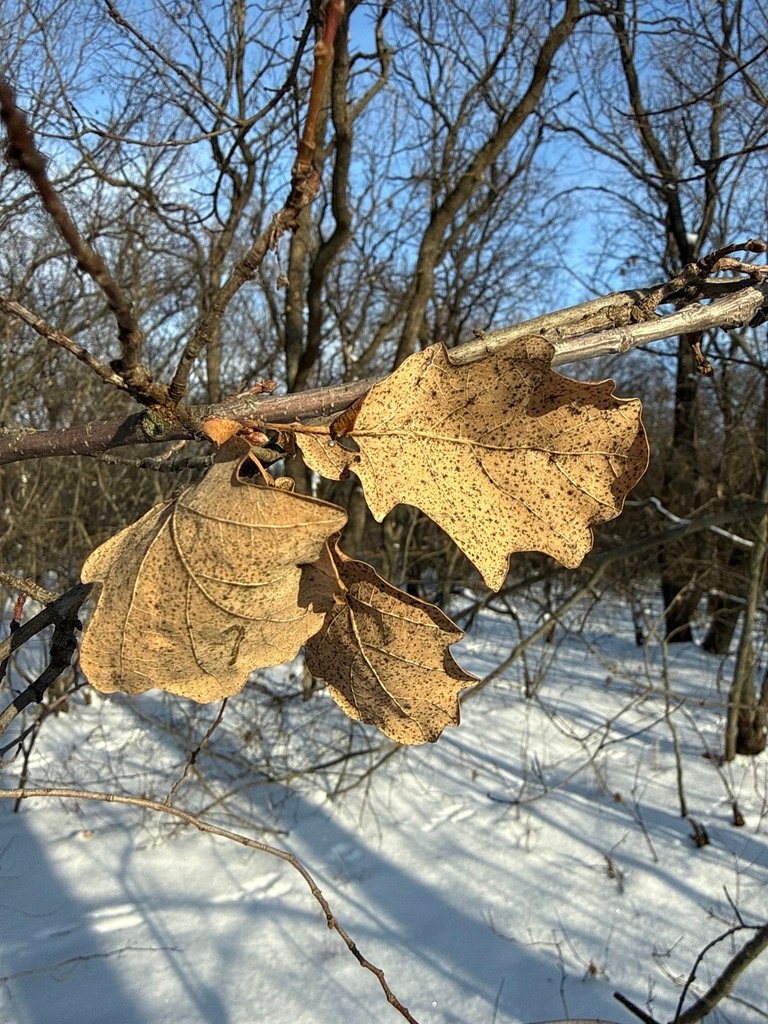
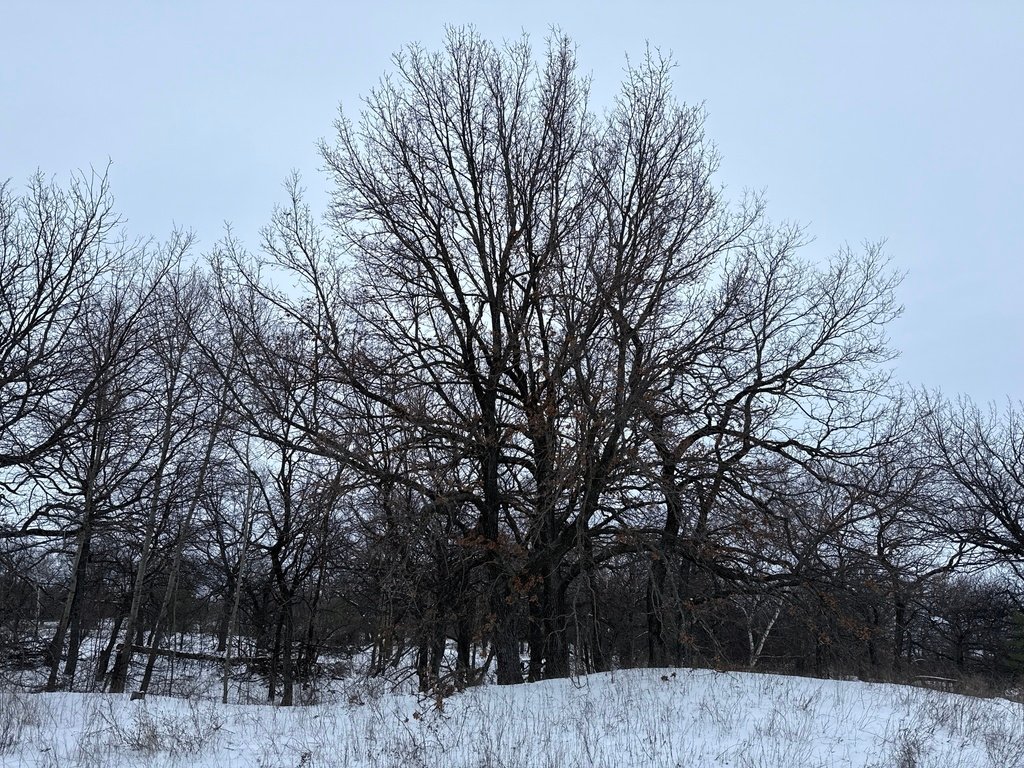
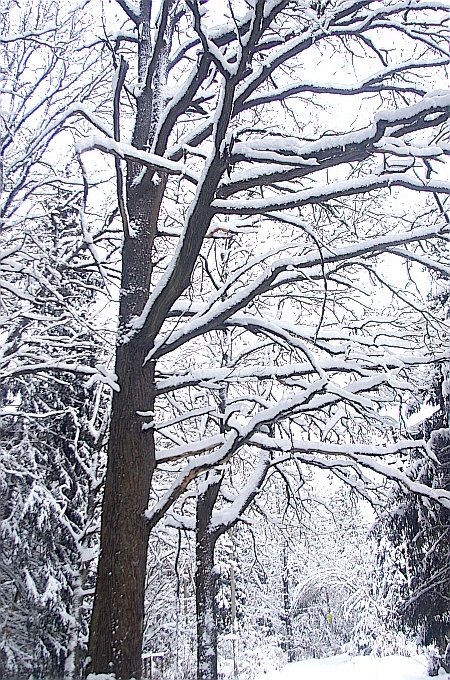
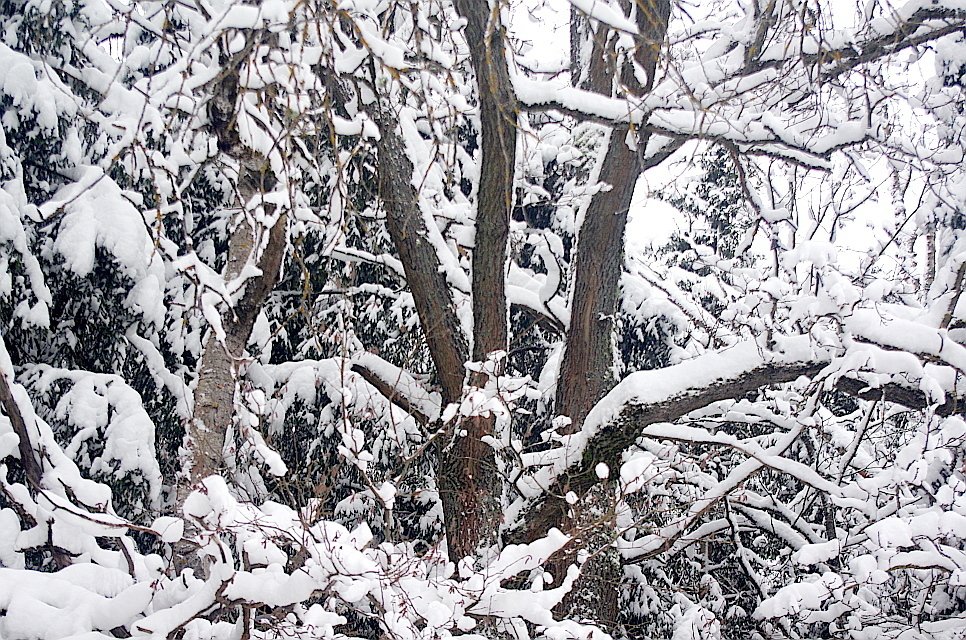

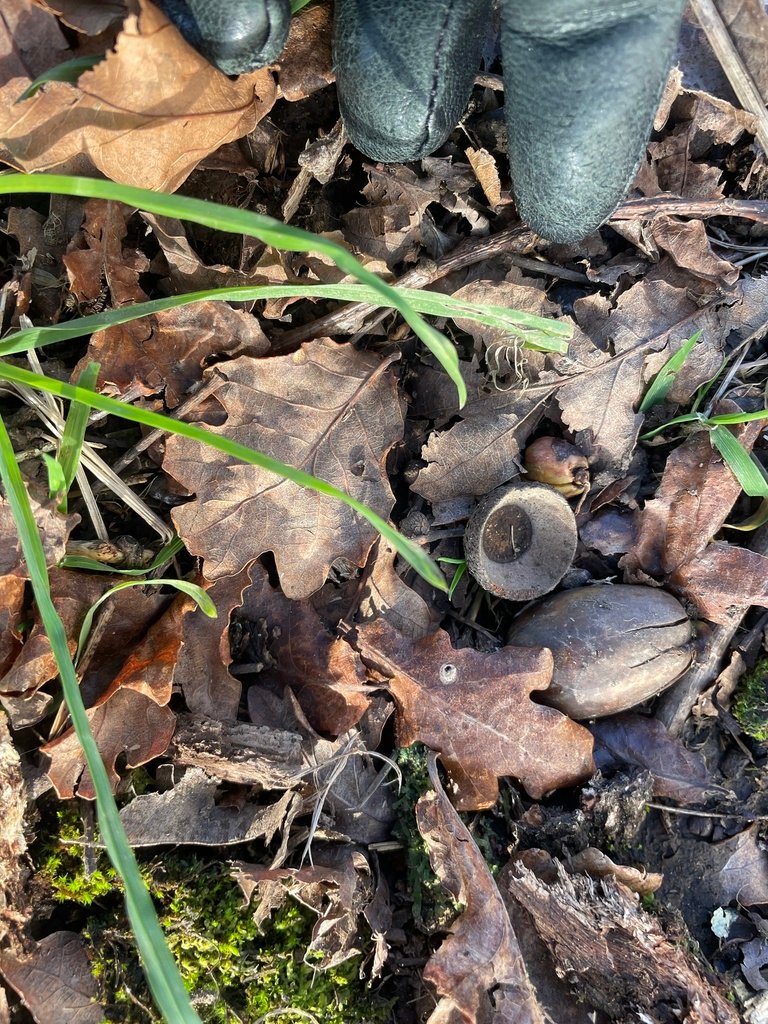
- Botanical name
- Quercus robur
- Also known as
- Common Oak, English Oak, European Oak, Pedunculate Oak
- Family
- Fagaceae
- Genus
- Quercus
- Flowering period
- April to May
- Height
- 20–30 m
- Spread
- 15–25 m
- Hardiness
- Fully hardy (RHS H7)
- Reference
- World Flora Online
How to grow Common Oak
Full sun
None once established; water through the first two or three summers
Deep, fertile soil; tolerates heavy clay and seasonal wet
Acid, neutral or alkaline
Planting
Plant bare-root between November and March. Small trees establish faster than large ones and usually overtake them within a decade, so buy a whip rather than a standard. Site it with the eventual canopy in mind — this is a tree for a field or a large garden, not a suburban plot.
Pruning
Very little is needed. Remove dead, crossing or damaged wood in late summer or autumn, when the risk of infection is lowest. Avoid pruning in spring, when sap flow is heavy.
Propagation
From acorns collected in autumn and sown fresh — they lose viability quickly if allowed to dry. Sow singly in deep pots to accommodate the long taproot, and protect from mice, which take them readily.
Pests and diseases
Oak processionary moth is a notifiable problem in parts of southern England; do not touch the nests or caterpillars and report them. Acute oak decline, powdery mildew on young growth and various gall wasps also occur, though galls are largely cosmetic.
Value to wildlife
Supports a greater range of invertebrates than any other British tree, which in turn feeds nesting birds. Acorns are a major autumn food for jays, squirrels and badgers, and old trees provide rot holes and deadwood habitat.
Notes
Growth is slow for the first few years while the root system develops, then picks up markedly. Keep grass and weeds off a circle around the base for the first five years — competition at the root slows a young oak more than anything else.
This guidance was researched and written by GardenDecoded — see our editorial policy for how guides are checked and reviewed.
Other names for this plant
These names have all been used for Quercus robur but are no longer the accepted name. You may still meet them on old labels, in books, or in nursery catalogues.
Quercus accessiva
Quercus accomodata
Quercus acutiloba
Quercus afghanistanensis
Quercus alligata
Quercus amoenifolia
Quercus appenina var. cylindracea
Quercus appenina var. rumelica
Quercus apula
Quercus arenaria
Quercus argentea
Quercus assimilis
Quercus asturica
Quercus atrosanguinea
Quercus aurea
Quercus australis
Quercus banatica
Quercus batavica
Quercus bavarica
Quercus belgica
Quercus borealis var. pilosa
Quercus brutia subsp. haas
Quercus castanoides
Quercus commiserata
Quercus concordia
Quercus croatica
Quercus cunisecta
Quercus cupressoides
Quercus cupulatus
Quercus danubialis
Quercus discredens
Quercus emarginulata
Quercus esthonica
Quercus ettingeri
Quercus femina
Quercus filicifolia
Quercus foemida
Quercus frutetorum
Quercus germanica f. puberula
Quercus germanica var. longipedunculata
Quercus germanica var. macrobalana
Quercus germanica var. pinnatifida
Quercus grecescui
Quercus haerens
Quercus hentzei
Quercus hispanica
Quercus hodginsii
Quercus hohenackeri
Quercus immodica
Quercus implicata
Quercus kunzei
Quercus laciniata
Quercus lanuginosa
Quercus lentula
Quercus longaeva
Quercus longipedunculata
Quercus louettii
Quercus lucorum
Quercus ludens
Quercus lugdunensis
Others in Quercus
GardenDecoded is an educational gardening reference. Botanical data comes from World Flora Online and GBIF; growing guidance is our own. Always check a plant's toxicity and local invasiveness status before planting, and never eat or apply a plant based on this site alone.