Polystichum × dycei
Hedge Fern
Polystichum setiferum
(Forssk.) T.Moore ex Woyn. Species


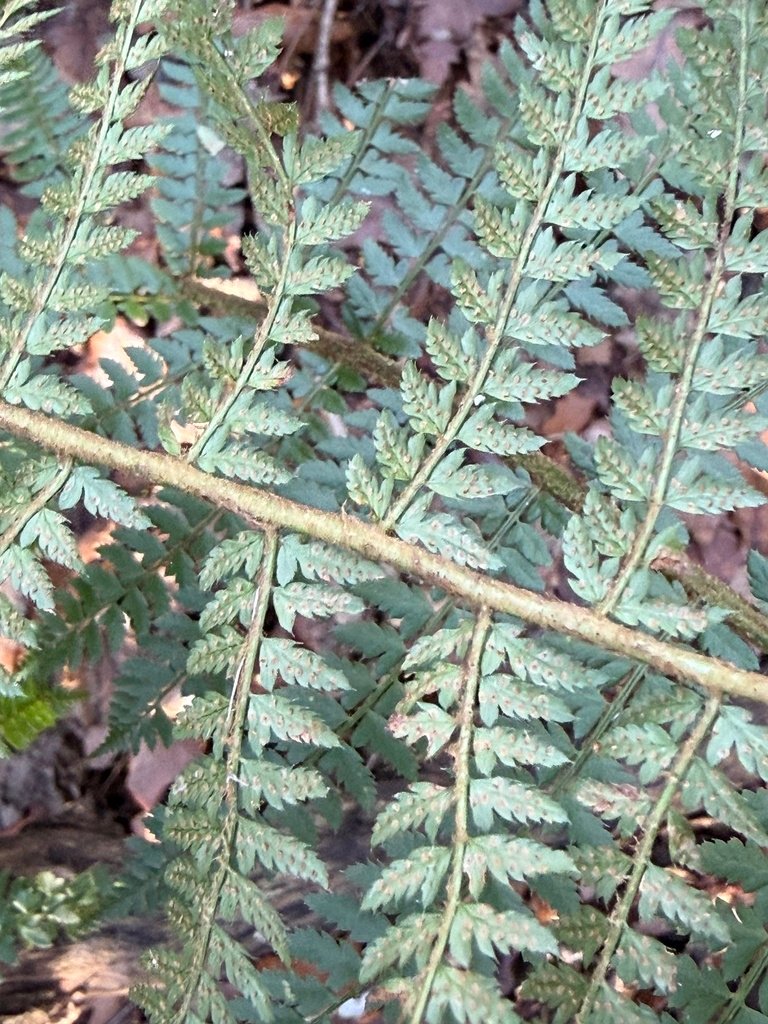
- Botanical name
- Polystichum setiferum
- Also known as
- English Hedge Fern, Hedge Fern, Soft Shield Fern, Soft Shield-Fern, Soft-Shield Fern
- Family
- Dryopteridaceae
- Genus
- Polystichum
- Height
- 60–90 cm
- Spread
- 90–120 cm
- Hardiness
- Fully hardy (RHS H6)
- Reference
- World Flora Online
How to grow Hedge Fern
Partial to full shade
Moderate; keep moist but never waterlogged
Moist, humus-rich, well-drained; resents wet crowns in winter
Acid to alkaline
Planting
Plant in spring or autumn in shade, on a slight mound or on ground that drains freely — this fern dislikes sitting wet at the crown far more than it dislikes dryness. Set the crown proud of the soil and mulch around but not over it.
Pruning
Semi-evergreen, holding reasonable fronds through much of the winter. Cut the old fronds off at the base in late winter as the new croziers appear, which are attractively covered in pale scales as they unroll.
Propagation
Division in spring. Some forms produce small plantlets along the frond midrib which can be pegged onto compost to root — a slow but reliable method for the divisilobum group.
Pests and diseases
Few problems. Vine weevil in containers, and crown rot on heavy soil that stays wet in winter.
Value to wildlife
Provides winter ground cover and shelter in shaded borders.
Notes
One of the more elegant native ferns, with soft, finely divided, slightly arching fronds. Numerous cultivars exist with very finely dissected fronds; all are grown the same way and all need the same good drainage.
This guidance was researched and written by GardenDecoded — see our editorial policy for how guides are checked and reviewed.
Other names for this plant
These names have all been used for Polystichum setiferum but are no longer the accepted name. You may still meet them on old labels, in books, or in nursery catalogues.
Aspidium aculeatum subsp. angulare
Aspidium aculeatum subsp. angulare
Aspidium aculeatum subsp. swartzianum
Aspidium aculeatum var. hastulatum
Aspidium aculeatum var. hastulatum
Aspidium aculeatum var. microlobum
Aspidium aculeatum var. swartzianum
Aspidium angulare
Aspidium hastulatum
Aspidium lobatum var. angulare
Dryopteris aculeata subsp. angularis
Dryopteris aculeata subsp. angularis
Dryopteris setifera
Dryopteris setifera subsp. angularis
Hypopeltis hastulata
Polypodium angulare
Polypodium setiferum
Polystichum aculeatum subsp. angulare
Polystichum aculeatum subsp. setiferum
Polystichum aculeatum var. angulare
Polystichum aculeatum var. angulare
Polystichum angulare
Polystichum angulare var. lineare
Polystichum setiferum
Polystichum setiferum var. hastulatum
Others in Polystichum
GardenDecoded is an educational gardening reference. Botanical data comes from World Flora Online and GBIF; growing guidance is our own. Always check a plant's toxicity and local invasiveness status before planting, and never eat or apply a plant based on this site alone.