Polemonium glabrum
Greek Valerian
Polemonium caeruleum
L. Species
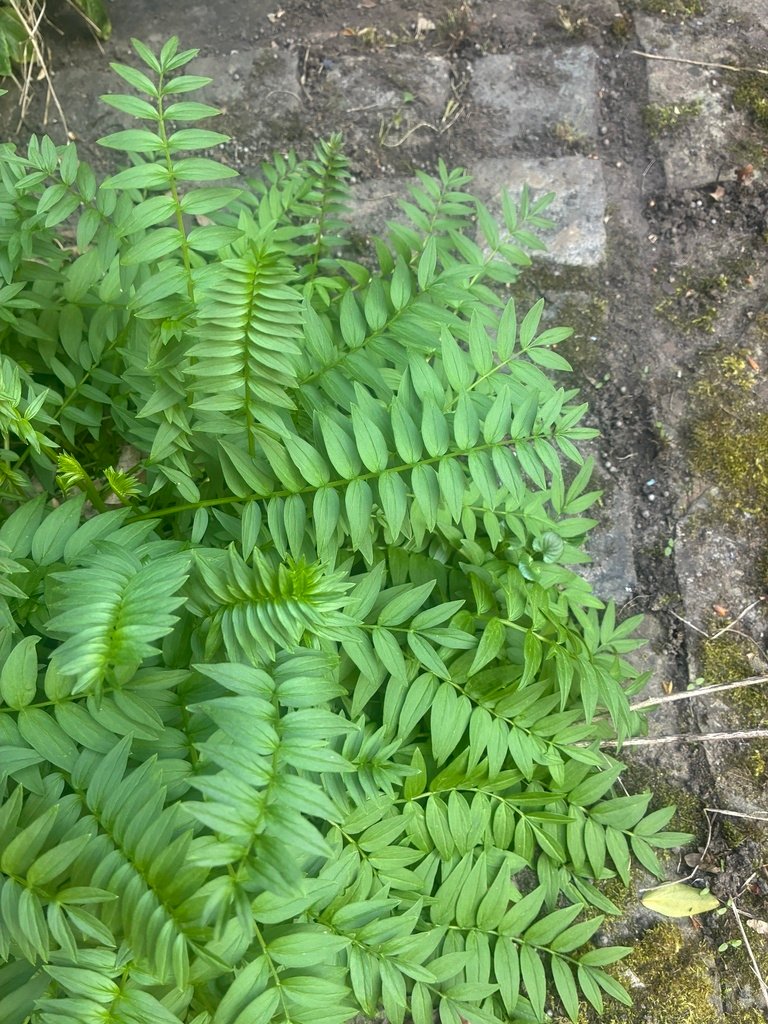
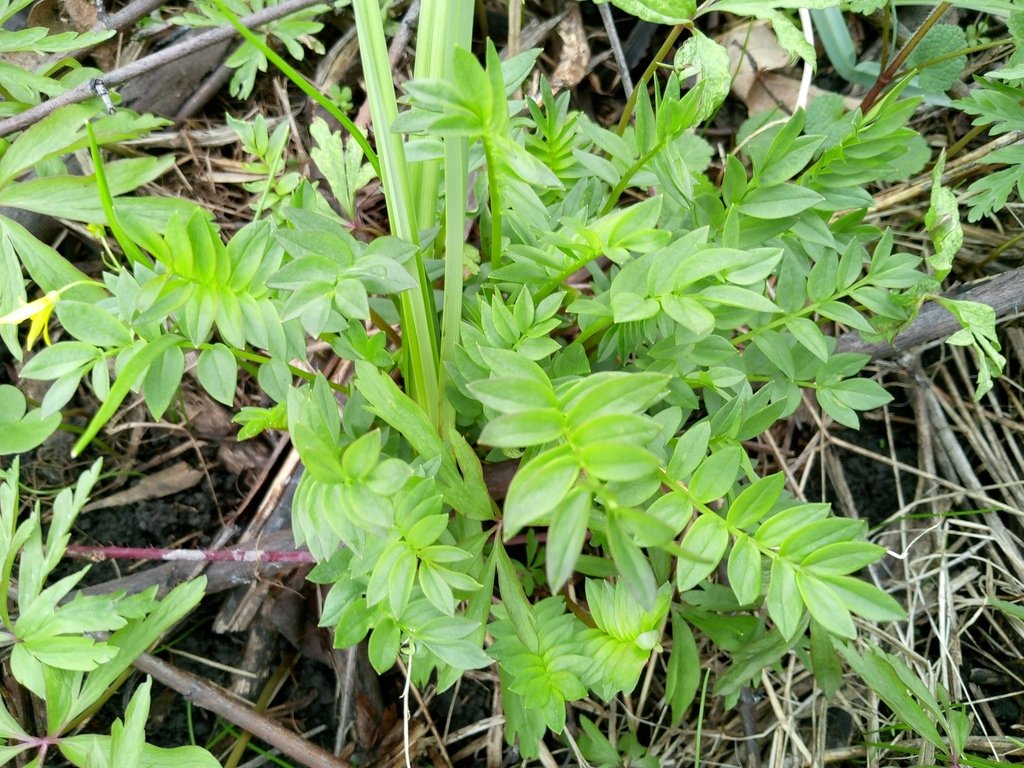

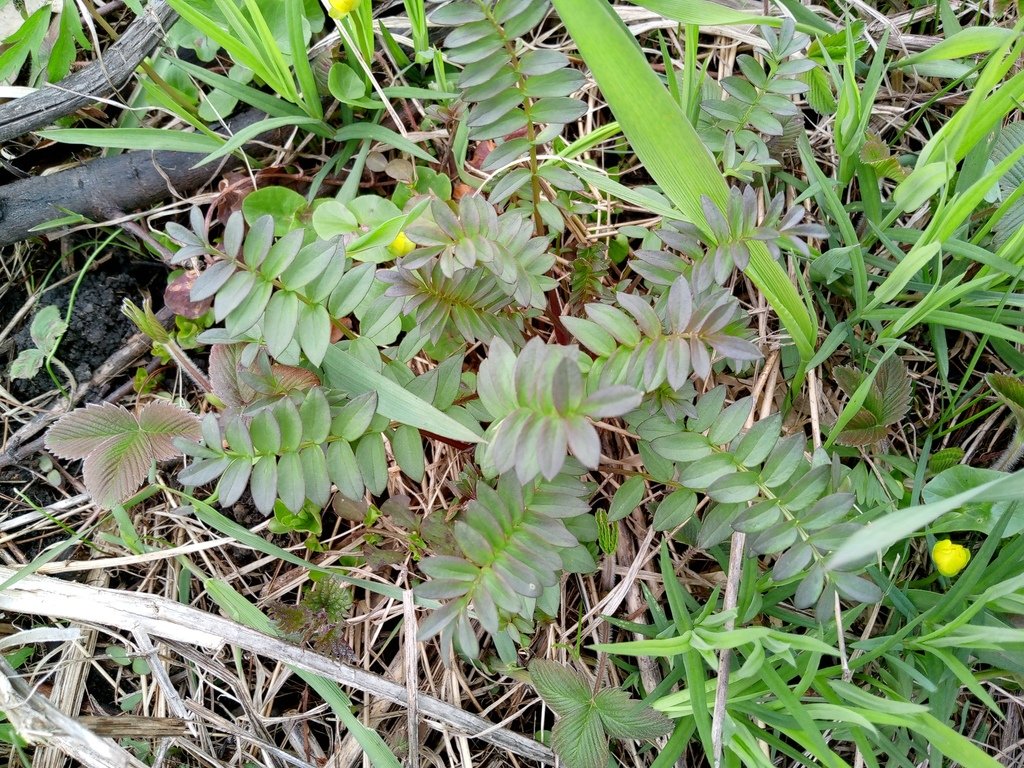
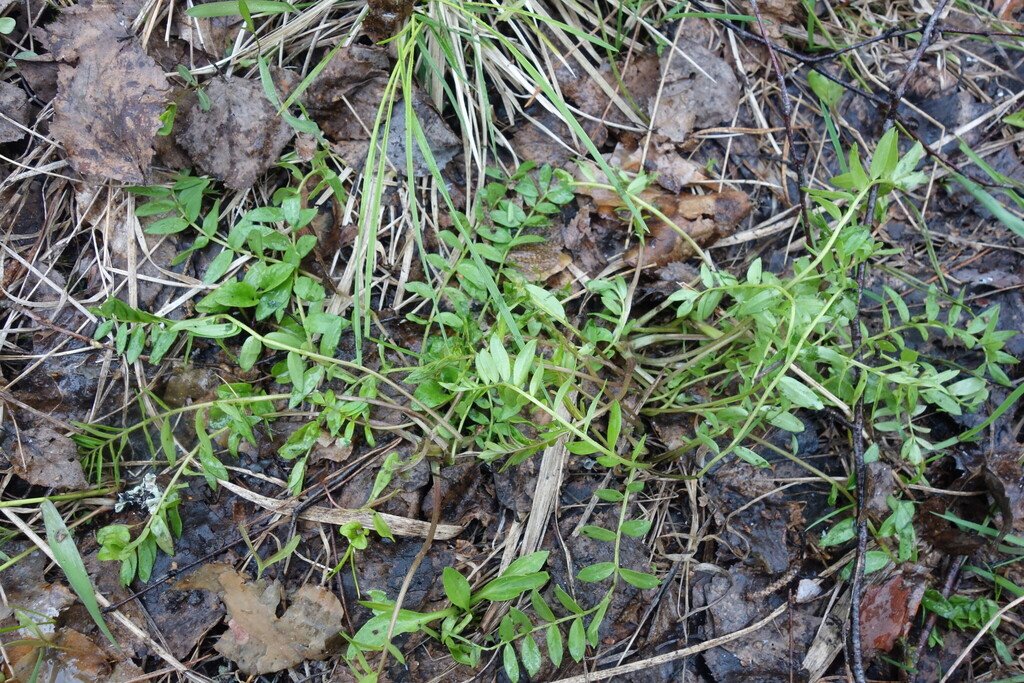
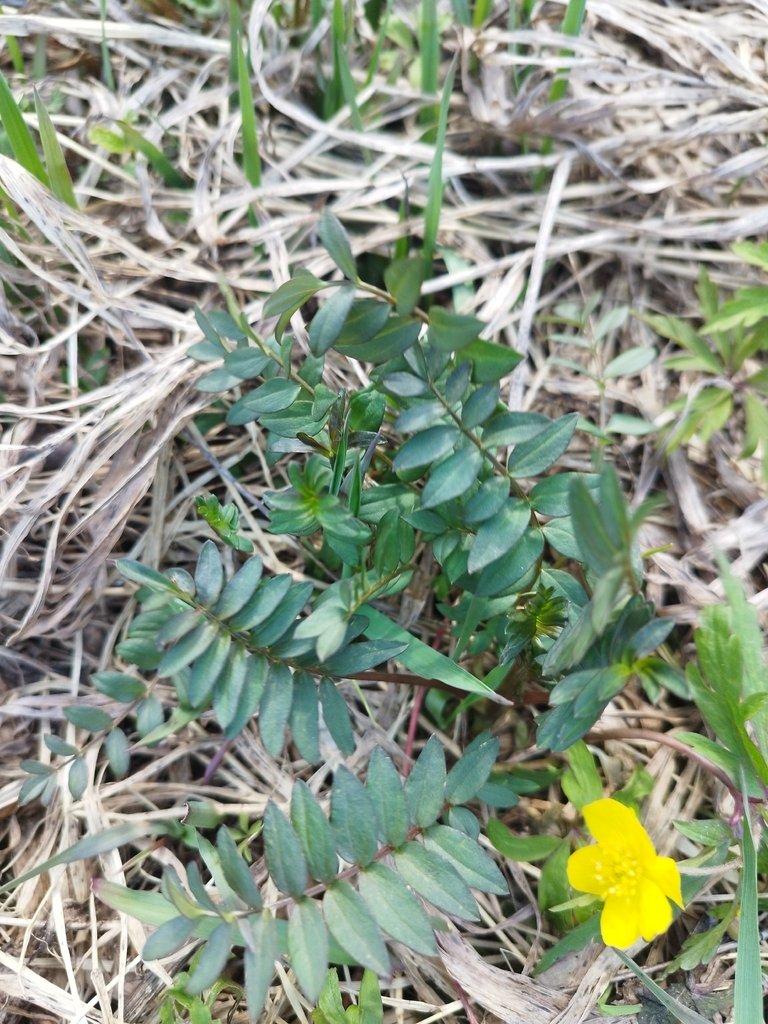
- Botanical name
- Polemonium caeruleum
- Also known as
- Blue Jacob's Ladder, Blue Jacob's-Ladder, Charity, Greek Valerian, Greek-Valerian, Jacob's-Ladder
- Family
- Polemoniaceae
- Genus
- Polemonium
- Flowering period
- May to July
- Height
- 45–75 cm
- Spread
- 30–45 cm
- Hardiness
- Fully hardy (RHS H7)
- Reference
- World Flora Online
How to grow Greek Valerian
Full sun to partial shade
Moderate; keep reasonably moist
Fertile, moisture-retentive, well-drained
Neutral to alkaline
Planting
Plant in autumn or spring in ordinary garden soil that does not dry out. It is easy and undemanding, and the ladder-like divided foliage is worth having in its own right from early spring onwards.
Pruning
Cut spent flower stems back to the basal foliage as soon as flowering ends; this often brings a second flush and stops it seeding everywhere. Cut the whole plant down in autumn.
Propagation
Divide in spring or autumn, or let it self-seed and move the seedlings while small. Seed germinates readily without special treatment.
Pests and diseases
Powdery mildew can affect the leaves in a dry summer. Slugs take young growth in spring.
Value to wildlife
An early to midsummer nectar and pollen source worked by bees and hoverflies.
Notes
Individual plants are not especially long-lived but it maintains itself by seeding. Deadhead if you want to keep the numbers down.
This guidance was researched and written by GardenDecoded — see our editorial policy for how guides are checked and reviewed.
Other names for this plant
These names have all been used for Polemonium caeruleum but are no longer the accepted name. You may still meet them on old labels, in books, or in nursery catalogues.
Polemonium caeruleum f. vulgare
Polemonium caeruleum var. caeruleum
Polemonium coeruleum subsp. vulgare
Polemonium coeruleum var. vulgare
Polemonium elatum
Others in Polemonium
GardenDecoded is an educational gardening reference. Botanical data comes from World Flora Online and GBIF; growing guidance is our own. Always check a plant's toxicity and local invasiveness status before planting, and never eat or apply a plant based on this site alone.