Phlox maculata
Fall Phlox
Phlox paniculata
L. Species
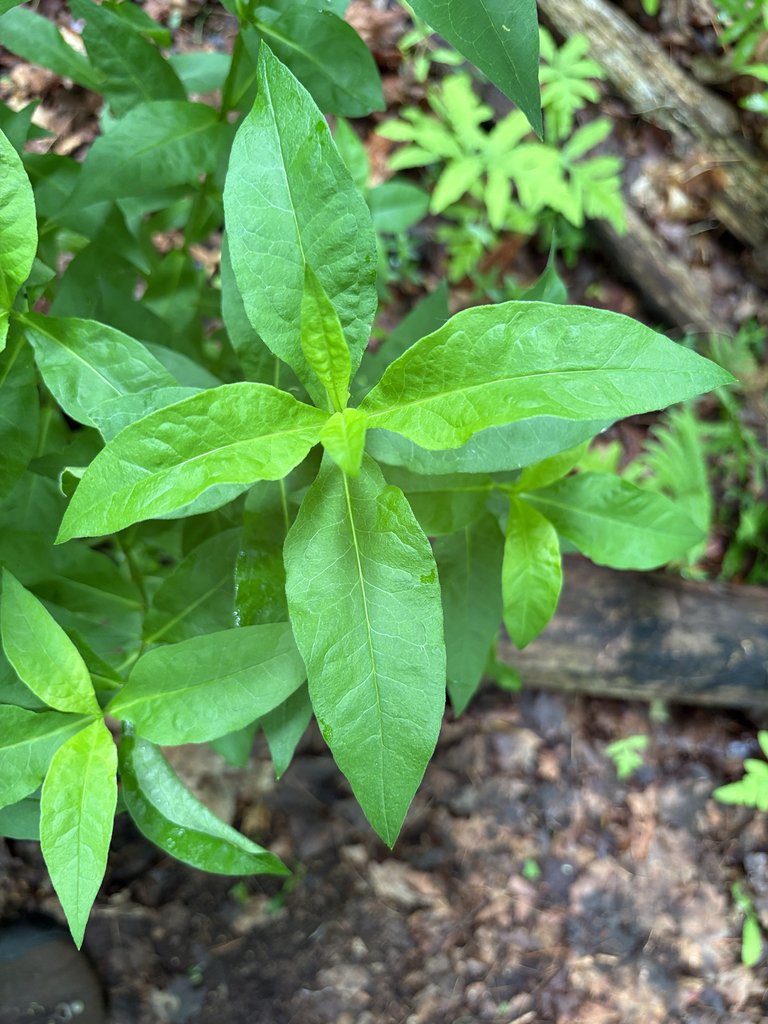
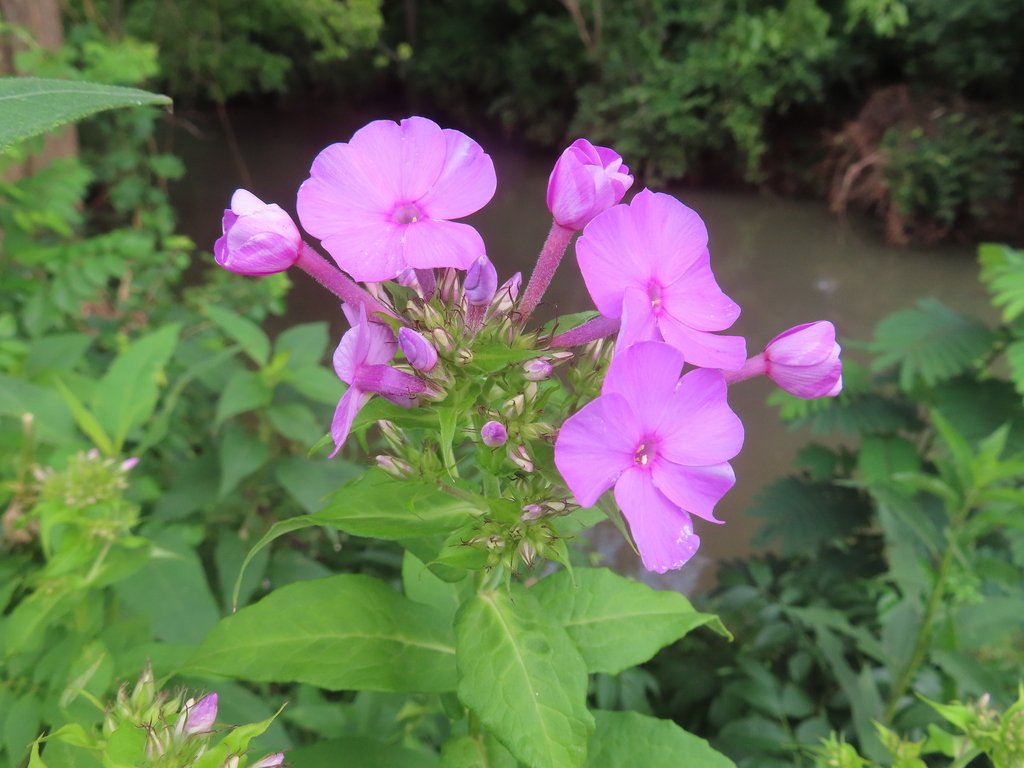

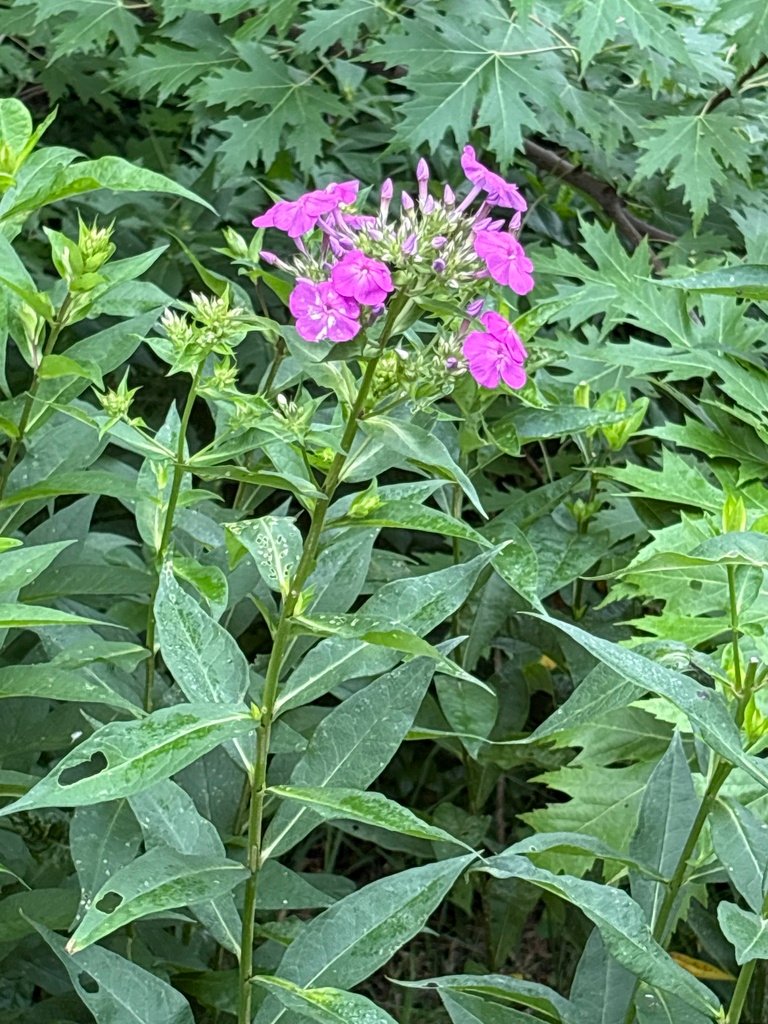
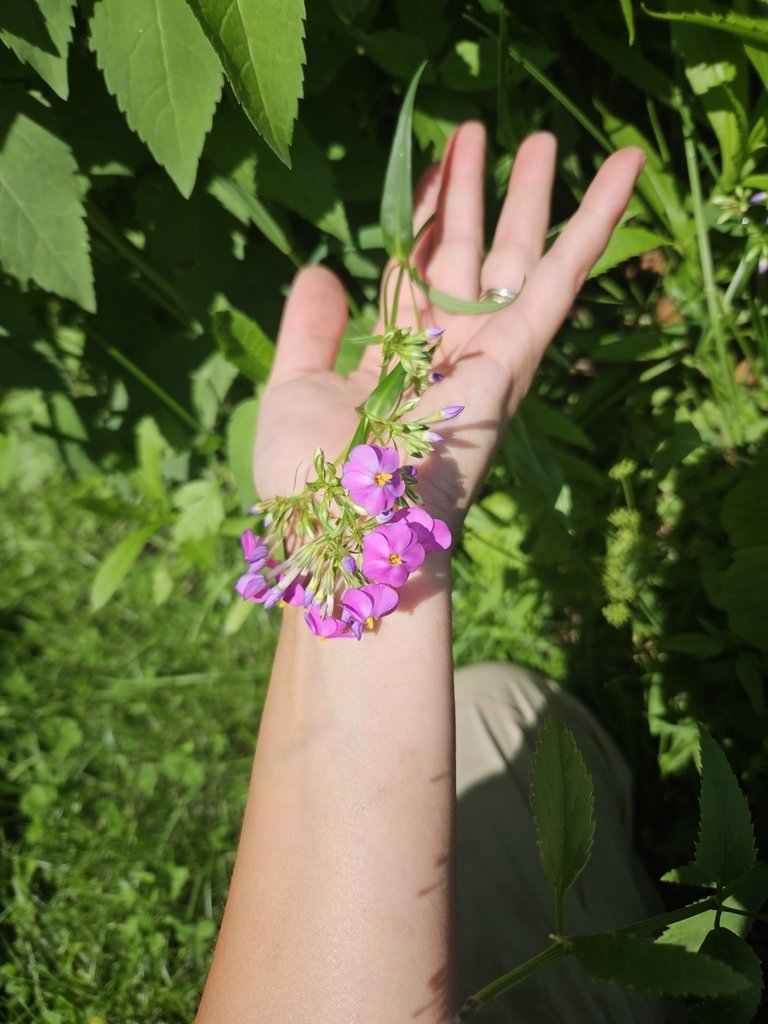
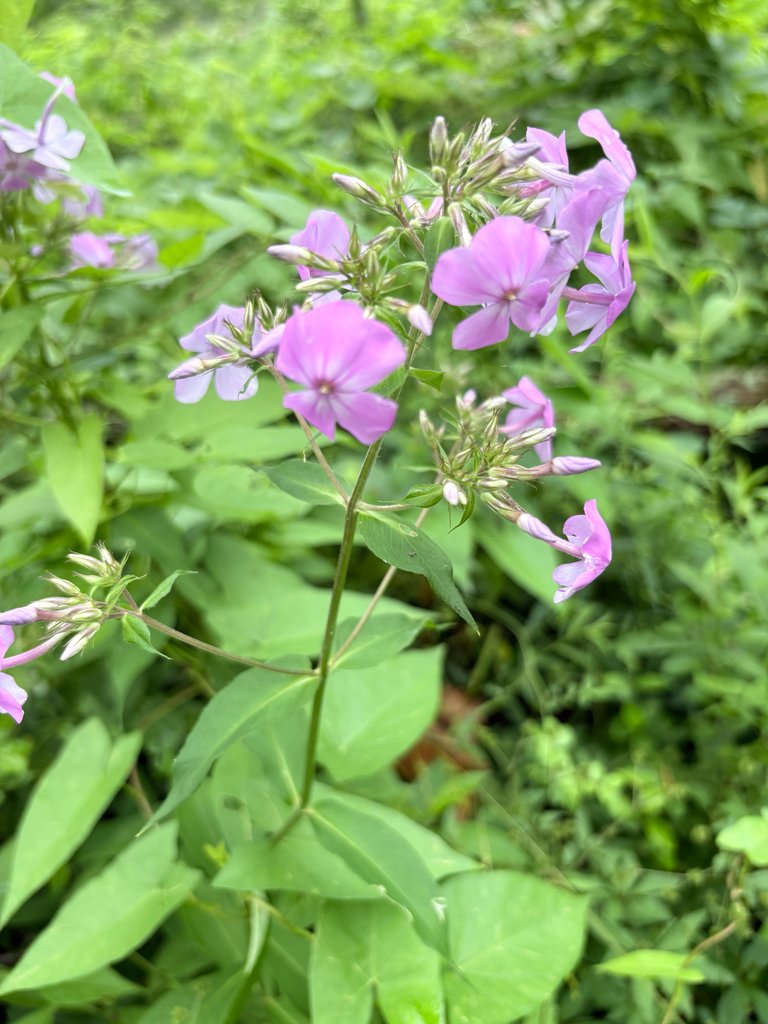
- Botanical name
- Phlox paniculata
- Also known as
- Fall Phlox, Fall-Pink, Garden Phlox, Panicled Phlox, Perennial Phlox, Perennial-Pink, Phlox, Summer Phlox, Sweet-William
- Family
- Polemoniaceae
- Genus
- Phlox
- Flowering period
- July to September
- Height
- 90–120 cm
- Spread
- 60–90 cm
- Hardiness
- Fully hardy (RHS H7)
- Reference
- World Flora Online
How to grow Fall Phlox
Full sun to partial shade
Generous; do not let it dry out in summer
Fertile, moisture-retentive, well-drained
Neutral to slightly alkaline
Planting
Plant in autumn or spring in soil improved with compost, and mulch each spring to hold moisture. It flowers best in sun but wants a root run that never bakes dry, so a spot with some afternoon shade in a hot garden is a fair compromise.
Pruning
Thin the stems in late spring, removing about a third of the weakest shoots at the base. This improves air movement, reduces mildew and gives larger flower heads on the stems that remain. Deadhead to prolong flowering.
Propagation
Divide in spring or autumn. Root cuttings taken in winter are useful if the plant has stem eelworm, as the pest is not carried in the roots.
Pests and diseases
Powdery mildew is common in dry summers and on crowded plants; watering the soil rather than the foliage and thinning stems both help. Phlox eelworm causes narrow, distorted leaves and swollen stems — affected plants should be dug up and destroyed, not composted or divided.
Value to wildlife
Scented flowers with a long season that draw butterflies, moths and long-tongued bees at a point in late summer when border nectar is thinning.
Notes
Clumps become congested and flower less after three or four years, so divide regularly. Some named forms self-seed, and the seedlings are usually a washed-out mauve that gradually takes over if left.
This guidance was researched and written by GardenDecoded — see our editorial policy for how guides are checked and reviewed.
Other names for this plant
These names have all been used for Phlox paniculata but are no longer the accepted name. You may still meet them on old labels, in books, or in nursery catalogues.
Armeria paniculata
Phlox acuminata
Phlox acutifolia
Phlox americana
Phlox atrocaulis
Phlox brevifolia
Phlox bridgesii
Phlox broughtonii
Phlox brownii
Phlox brownii
Phlox canescens
Phlox clarkioides
Phlox cordata
Phlox corymbosa
Phlox cruenta
Phlox decussata
Phlox disticha
Phlox divergens
Phlox elata
Phlox ingramiana
Phlox ingrum
Phlox intermedia
Phlox laeta
Phlox macrophylla
Phlox missourica
Phlox omniflora
Phlox paniculata var. acuminata
Phlox paniculata var. laxiflora
Phlox philadelphica
Phlox pulchella
Phlox scabra
Phlox sickmannii
Phlox thomsoniana
Phlox thomsonii
Phlox tigrina
Phlox undulata
Phlox vernoniana
Phlox virginica
Phlox wheeleri
Phlox wheeleriana
Others in Phlox
GardenDecoded is an educational gardening reference. Botanical data comes from World Flora Online and GBIF; growing guidance is our own. Always check a plant's toxicity and local invasiveness status before planting, and never eat or apply a plant based on this site alone.