Phaseolus × dumosus
Common Bean
Phaseolus vulgaris
L. Species

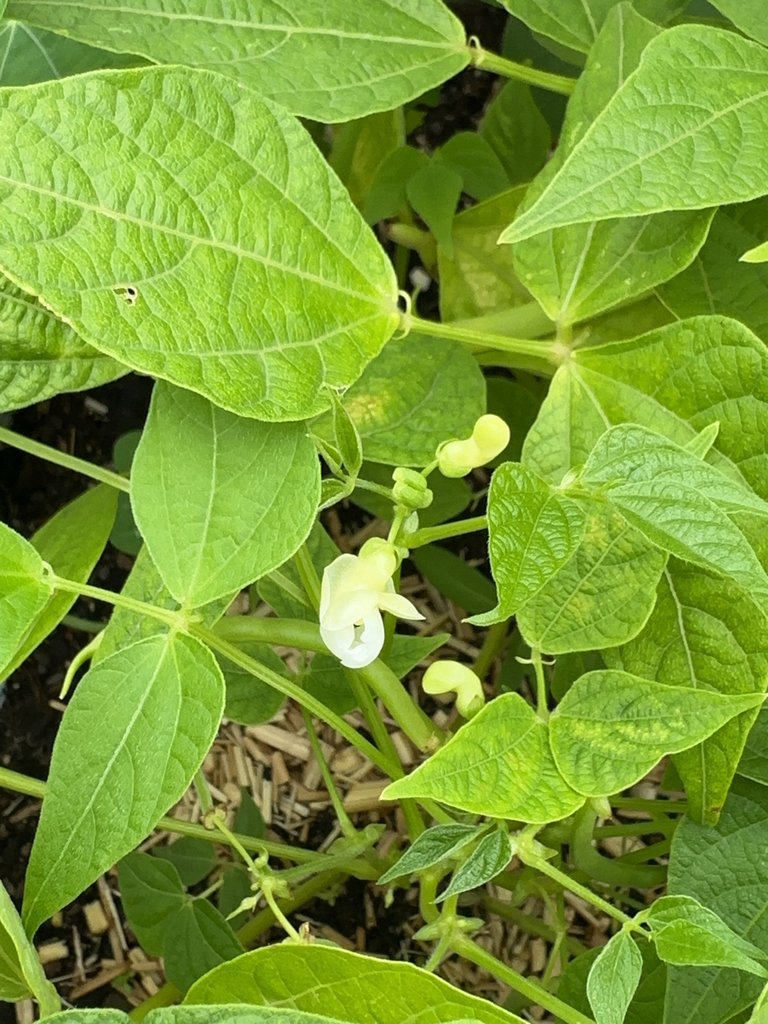

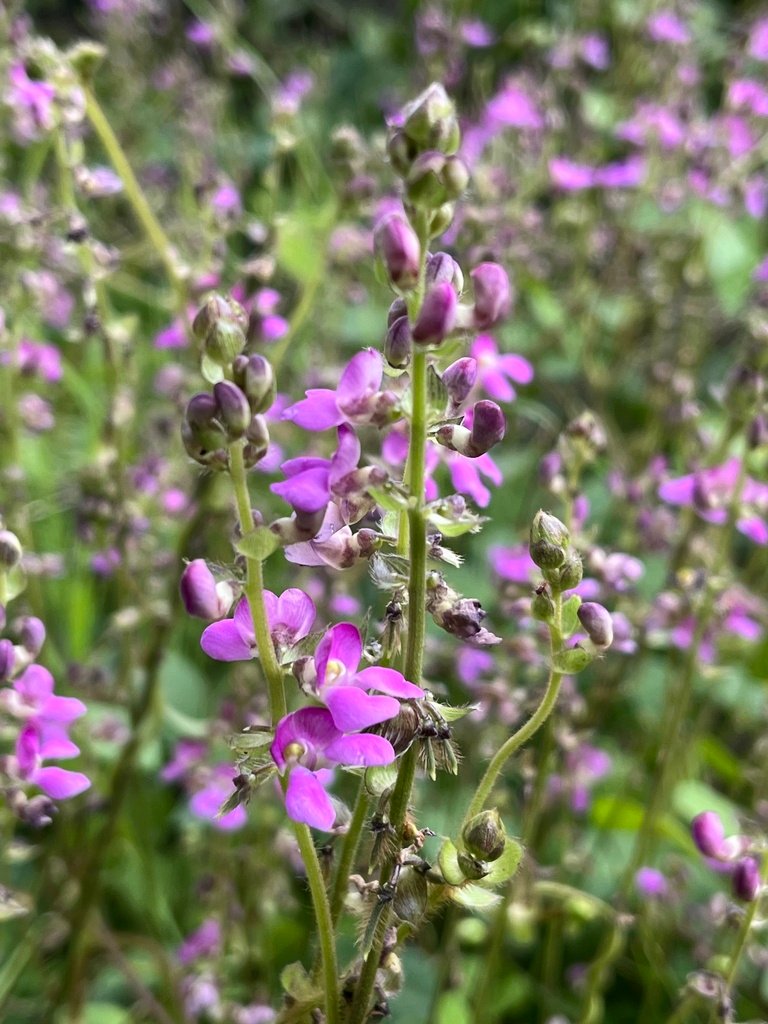


- Botanical name
- Phaseolus vulgaris
- Also known as
- Bean, Common Bean, Common Haricot, Common-Bean, Dwarf Bean, Frash Bean, French Bean, French-Bean, Garden Bean, Green Bean, Haricot Bean, Kidney Bean, Kidney-Bean, Runner Bean, String Bean
- Family
- Fabaceae
- Genus
- Phaseolus
- Flowering period
- July to September
- Height
- 45–240 cm
- Spread
- 30–45 cm
- Hardiness
- Tender (RHS H1c)
- Reference
- World Flora Online
How to grow Common Bean
Full sun
Regular, and heavily once flowering and podding start
Fertile, moisture-retentive, well-drained
Neutral
Planting
Sow in pots under cover from mid-April, or direct outdoors from late May once the soil has warmed and frost risk has passed. Cold wet soil rots the seed. Dig in plenty of garden compost the previous autumn or winter. Climbing forms need a wigwam or double row of canes about 2 m tall before planting.
Pruning
No pruning as such. Pinch out the tips of climbing beans when they reach the top of their supports. Pick pods young and often — once beans are allowed to swell and mature, cropping stops.
Propagation
From seed each year. Saved seed comes reasonably true as beans are largely self-pollinating, though it may carry seed-borne disease.
Pests and diseases
Slugs and snails destroy young plants and are the main early threat. Blackfly cluster on shoot tips. Halo blight and anthracnose show as spotting on leaves and pods and are usually seed-borne, so do not save seed from affected plants.
Value to wildlife
Flowers are visited by bumblebees, which help set the crop.
Notes
Beans are shallow-rooted and drop flowers in drought, so keep watering steady from flowering onwards. A mulch after the soil has warmed helps a great deal.
This guidance was researched and written by GardenDecoded — see our editorial policy for how guides are checked and reviewed.
Other names for this plant
These names have all been used for Phaseolus vulgaris but are no longer the accepted name. You may still meet them on old labels, in books, or in nursery catalogues.
Phaseolus aborigineus
Phaseolus aborigineus var. hondurensis
Phaseolus albus
Phaseolus angulosus
Phaseolus asparagioides
Phaseolus capensis
Phaseolus carinatus
Phaseolus carinatus var. carneus
Phaseolus carinatus var. lividus
Phaseolus ceratonoides
Phaseolus communis
Phaseolus communis
Phaseolus compessus
Phaseolus compressus
Phaseolus compressus var. candidus
Phaseolus compressus var. carneus
Phaseolus compressus var. cervinus
Phaseolus compressus var. ferrugineus
Phaseolus compressus var. flavomaculatus
Phaseolus compressus var. fulvoater
Phaseolus compressus var. fuscocoerulescens
Phaseolus compressus var. fuscomaculatus
Phaseolus compressus var. humilis
Phaseolus compressus var. lividus
Phaseolus compressus var. luteus
Phaseolus compressus var. macrocarpus
Phaseolus compressus var. major
Phaseolus compressus var. nanus
Phaseolus compressus var. niger
Phaseolus compressus var. ochraceus
Phaseolus compressus var. pullus
Phaseolus compressus var. xanthocarpus
Phaseolus cruentus
Phaseolus curda
Phaseolus deliciosus
Phaseolus dimidiatus
Phaseolus domingensis
Phaseolus ellipticus
Phaseolus ellipticus var. albus
Phaseolus ellipticus var. amethystinus
Phaseolus ellipticus var. atrofuscus
Phaseolus ellipticus var. aureolus
Phaseolus ellipticus var. aureus
Phaseolus ellipticus var. bocconei
Phaseolus ellipticus var. carneus
Phaseolus ellipticus var. citrinus
Phaseolus ellipticus var. fasciatus
Phaseolus ellipticus var. helvolus
Phaseolus ellipticus var. mesomelas
Phaseolus ellipticus var. nanus
Phaseolus ellipticus var. niger
Phaseolus ellipticus var. pictus
Phaseolus ellipticus var. saccharatus
Phaseolus ellipticus var. spadiceus
Phaseolus ellipticus var. willmotianus
Phaseolus esculentus
Phaseolus ferrugineus
Phaseolus gonospermos
Phaseolus gonospermos var. albus
Phaseolus gonospermos var. carneolutescens
Others in Phaseolus
GardenDecoded is an educational gardening reference. Botanical data comes from World Flora Online and GBIF; growing guidance is our own. Always check a plant's toxicity and local invasiveness status before planting, and never eat or apply a plant based on this site alone.