Papaver × boissierianum
Oriental Poppy
Papaver orientale
L. Species
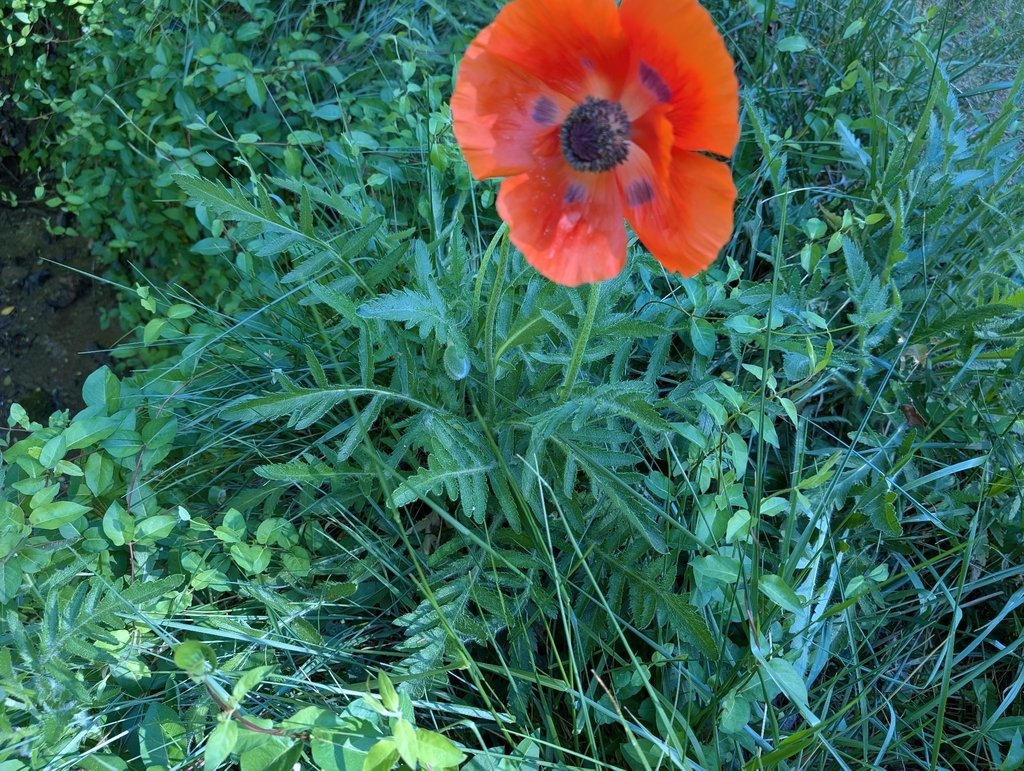
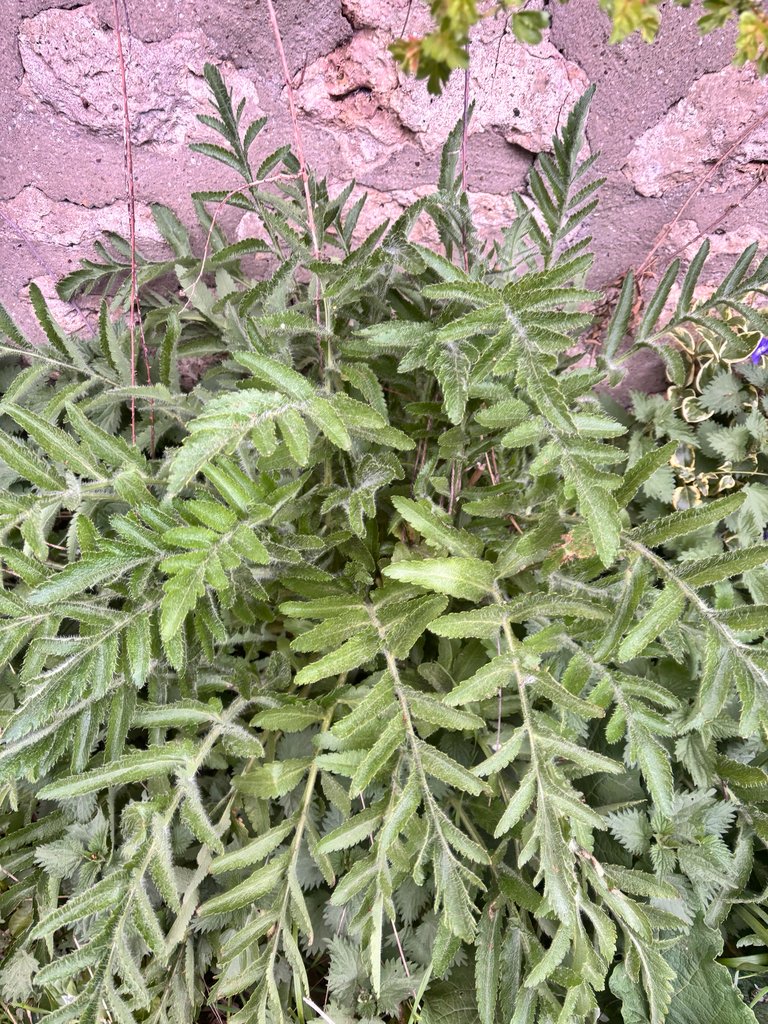
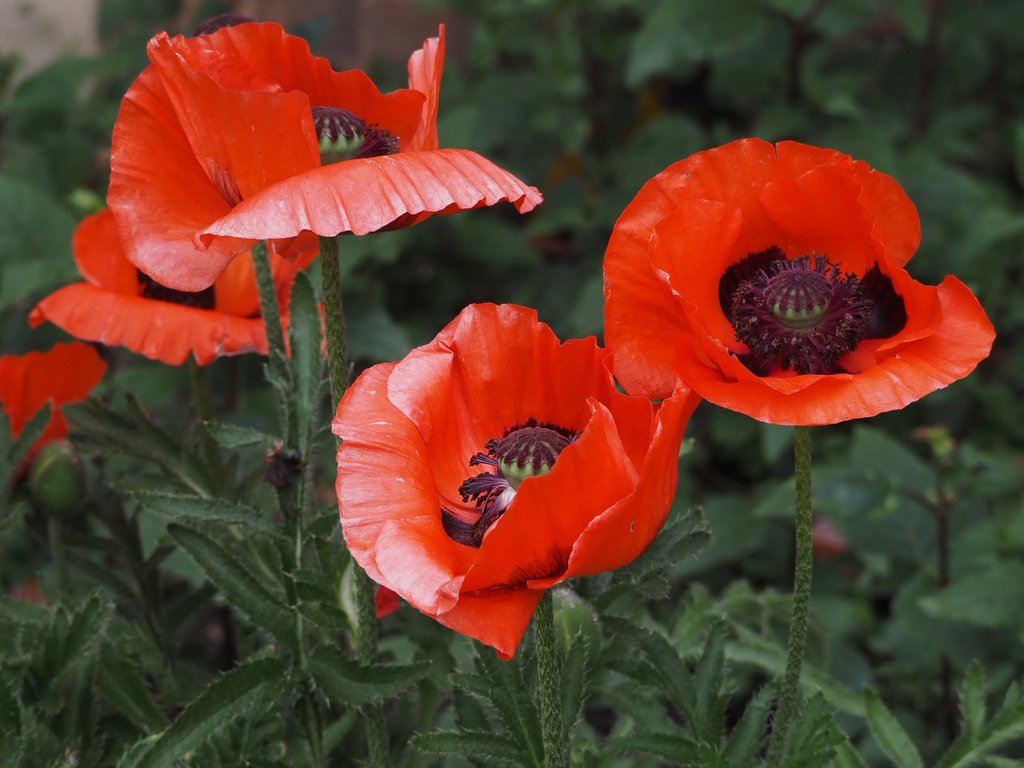

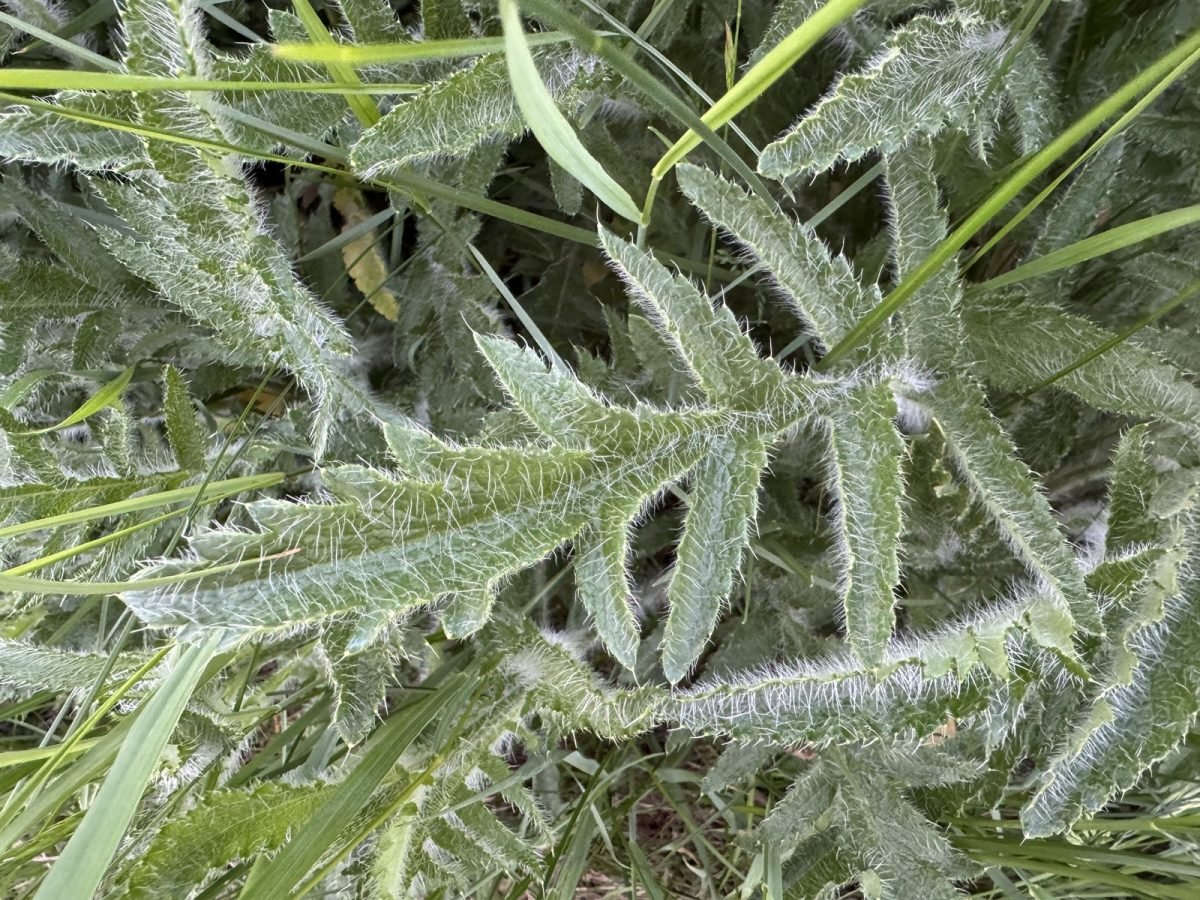
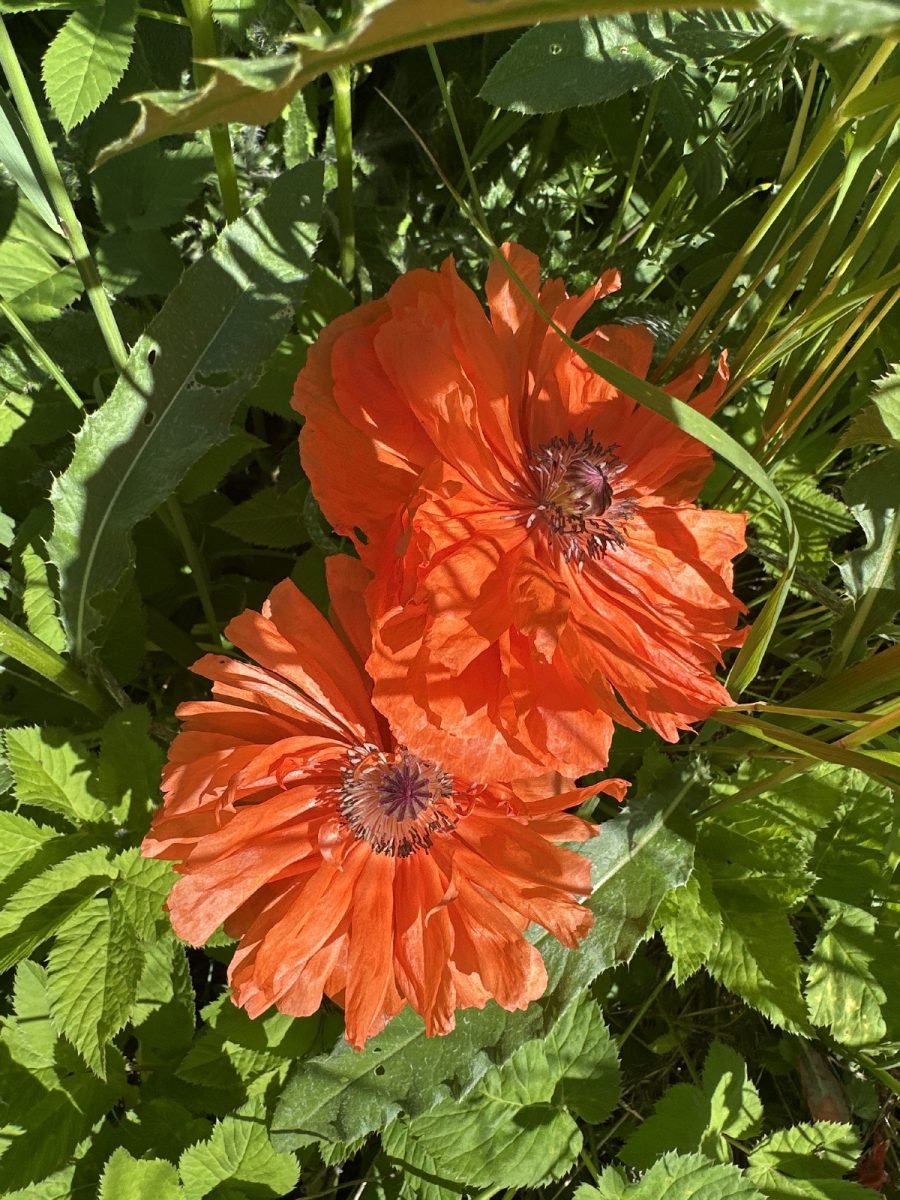
- Botanical name
- Papaver orientale
- Also known as
- Oriental Poppy
- Family
- Papaveraceae
- Genus
- Papaver
- Flowering period
- May to June
- Height
- 60–90 cm
- Spread
- 60–90 cm
- Hardiness
- Fully hardy (RHS H7)
- Reference
- World Flora Online
How to grow Oriental Poppy
Full sun
Low; dislikes wet soil, especially in winter
Well-drained, moderately fertile; deep soil suits the taproot
Neutral to alkaline
Planting
Plant in autumn or spring in full sun with good drainage. Plan for the gap it leaves: the foliage dies away in midsummer and the plant disappears for weeks, so site it behind later perennials such as asters, hardy geraniums or grasses that will fill the space.
Pruning
Cut the whole plant down to the ground once flowering ends and the leaves start to yellow. Water and it will often produce a fresh low rosette of foliage for autumn.
Propagation
Root cuttings in late autumn or winter are the reliable method: lift a plant, cut pencil-thick root sections about 5 cm long, and insert them the right way up in gritty compost. Seed-raised plants vary and named forms will not come true.
Pests and diseases
Downy mildew can grey and distort the foliage in a wet spring. Otherwise few problems, though plants rot in heavy wet ground over winter.
Value to wildlife
The large bowl-shaped flowers produce abundant pollen and bumblebees work them hard for the short season they are open.
Notes
The stems are hollow and heavy in flower and often flop after rain, so support them early with hoops rather than trying to prop them afterwards. Any root fragment left after digging a plant out will regrow.
This guidance was researched and written by GardenDecoded — see our editorial policy for how guides are checked and reviewed.
Other names for this plant
These names have all been used for Papaver orientale but are no longer the accepted name. You may still meet them on old labels, in books, or in nursery catalogues.
Calomecon orientalis
Papaver dzeghamicum
Papaver grandiflorum
Papaver intermedium
Papaver orientale var. intermedium
Papaver paucifoliatum
Others in Papaver
GardenDecoded is an educational gardening reference. Botanical data comes from World Flora Online and GBIF; growing guidance is our own. Always check a plant's toxicity and local invasiveness status before planting, and never eat or apply a plant based on this site alone.