Paeonia daurica subsp. tomentosa
Common Garden Peony
Paeonia lactiflora
Pall. Species
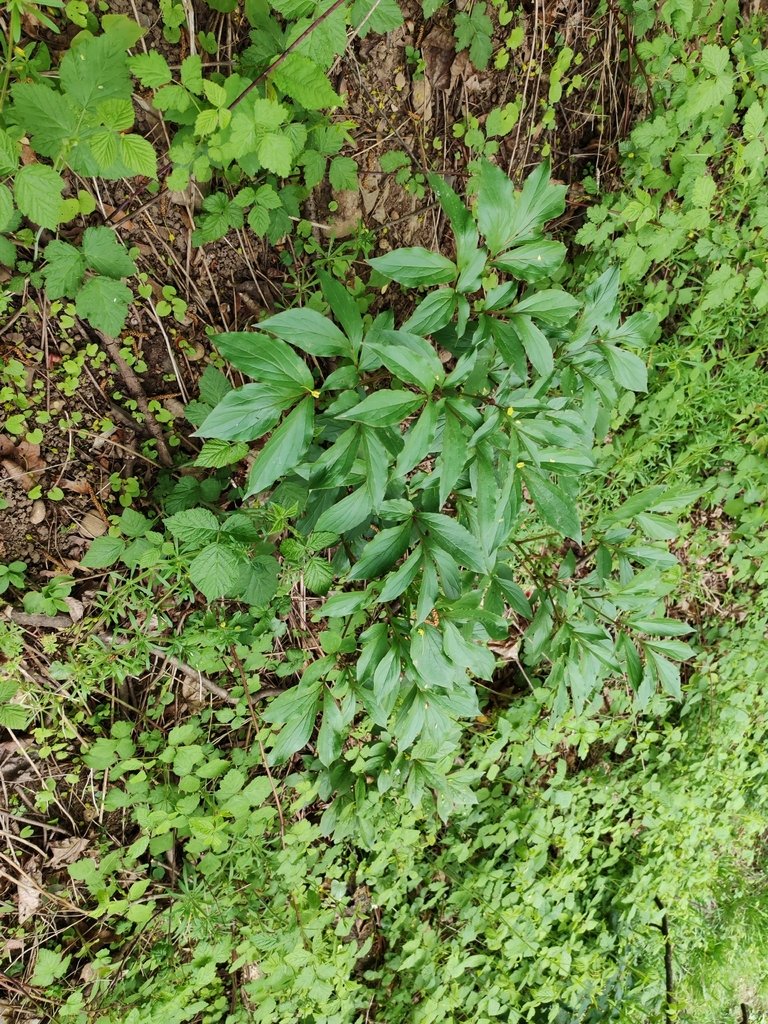

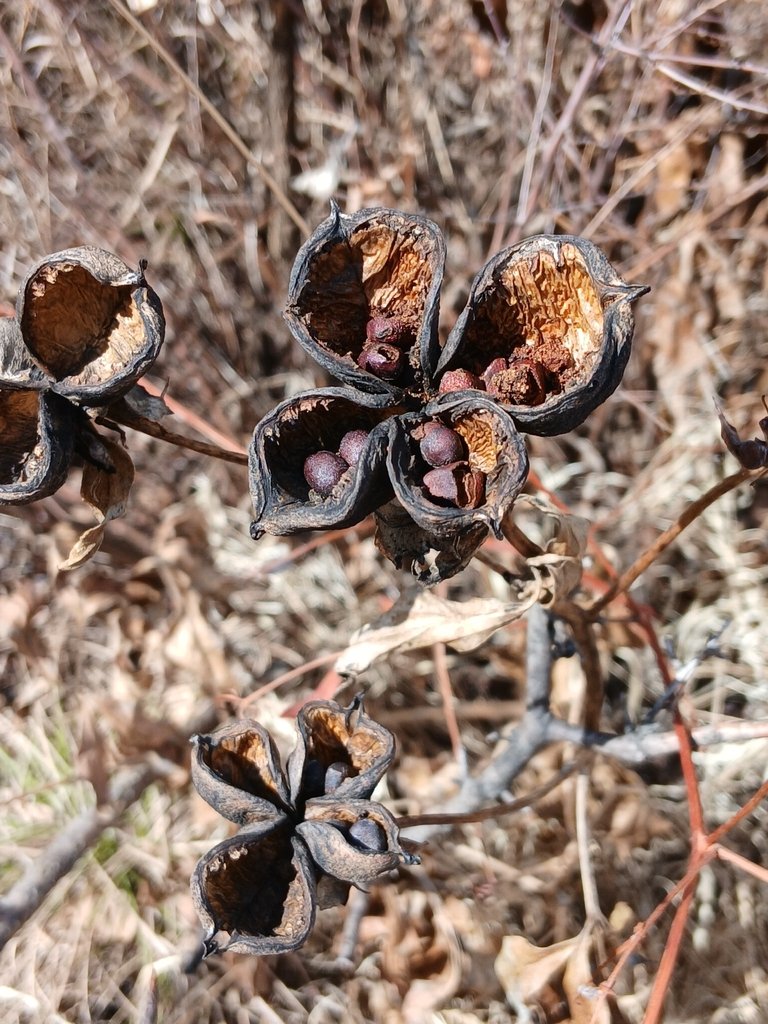

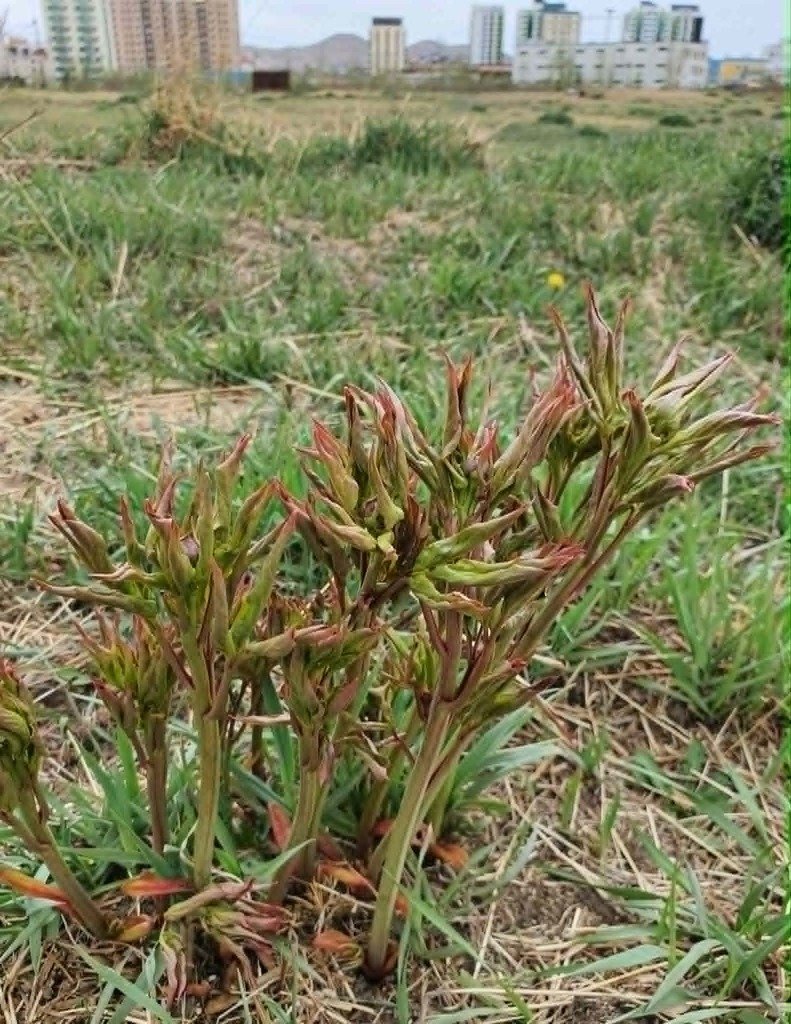

- Botanical name
- Paeonia lactiflora
- Also known as
- Chinese Peony, Common Garden Peony, Garden Peony, Japanese Peony, White Peony
- Family
- Paeoniaceae
- Genus
- Paeonia
- Flowering period
- June
- Height
- 60–100 cm
- Spread
- 60–90 cm
- Hardiness
- Fully hardy (RHS H7)
- Reference
- World Flora Online
How to grow Common Garden Peony
Full sun to light shade
Moderate; water well in dry spells while in growth
Deep, fertile, well-drained
Neutral to slightly alkaline
Planting
Plant in autumn, and get the depth right: the pink buds on the crown should sit no more than 3-5 cm below the surface. Planted deeper, the plant grows leaves and never flowers. Prepare the ground properly with compost first, because peonies dislike being moved and can stay put for decades.
Pruning
Deadhead after flowering to stop energy going into seed. Cut the foliage down to ground level in late autumn and clear it away rather than composting it, which reduces carry-over of leaf disease.
Propagation
Divide in early autumn, cutting the fleshy crown so each piece has three to five buds and some root. Divisions often take two or three years to flower properly, so it is worth doing only when necessary.
Pests and diseases
Peony wilt is the significant disease: shoots blacken and collapse at the base, usually in a wet spring. Cut affected stems out below the damage and dispose of them; good air movement and autumn clearance reduce recurrence.
Value to wildlife
Single-flowered forms give bees access to the pollen and are worked heavily. Fully double flowers are largely useless to insects.
Notes
Heavy double flowers flatten in rain, so put supports in place in spring before the growth is tall. A newly planted or newly divided peony sulking for a season is normal, not a fault.
This guidance was researched and written by GardenDecoded — see our editorial policy for how guides are checked and reviewed.
Other names for this plant
These names have all been used for Paeonia lactiflora but are no longer the accepted name. You may still meet them on old labels, in books, or in nursery catalogues.
Paeonia albiflora
Paeonia albiflora f. hirta
Paeonia albiflora f. nuda
Paeonia albiflora f. pilifera
Paeonia albiflora f. pilosella
Paeonia albiflora var. edulis
Paeonia albiflora var. fragrans
Paeonia albiflora var. humei
Paeonia albiflora var. pottsii
Paeonia albiflora var. pubescens
Paeonia albiflora var. purpurea
Paeonia albiflora var. spontanea
Paeonia albiflora var. trichocarpa
Paeonia albiflora var. whitleyi
Paeonia edulis
Paeonia edulis var. reevesiana
Paeonia edulis var. sinensis
Paeonia fragrans
Paeonia fragrans
Paeonia humei
Paeonia lactea
Paeonia lactiflora f. nuda
Paeonia lactiflora f. pilosella
Paeonia lactiflora var. hirta
Paeonia lactiflora var. lactiflora
Paeonia lactiflora var. trichocarpa
Paeonia lactiflora var. villosa
Paeonia lobata
Paeonia makoya
Paeonia makoya
Paeonia reevesiana
Paeonia sinensis
Paeonia whitleyi
Paeonia yui
Others in Paeonia
GardenDecoded is an educational gardening reference. Botanical data comes from World Flora Online and GBIF; growing guidance is our own. Always check a plant's toxicity and local invasiveness status before planting, and never eat or apply a plant based on this site alone.