Nepeta adenophyta
Cat Mint
Nepeta cataria
L. Species
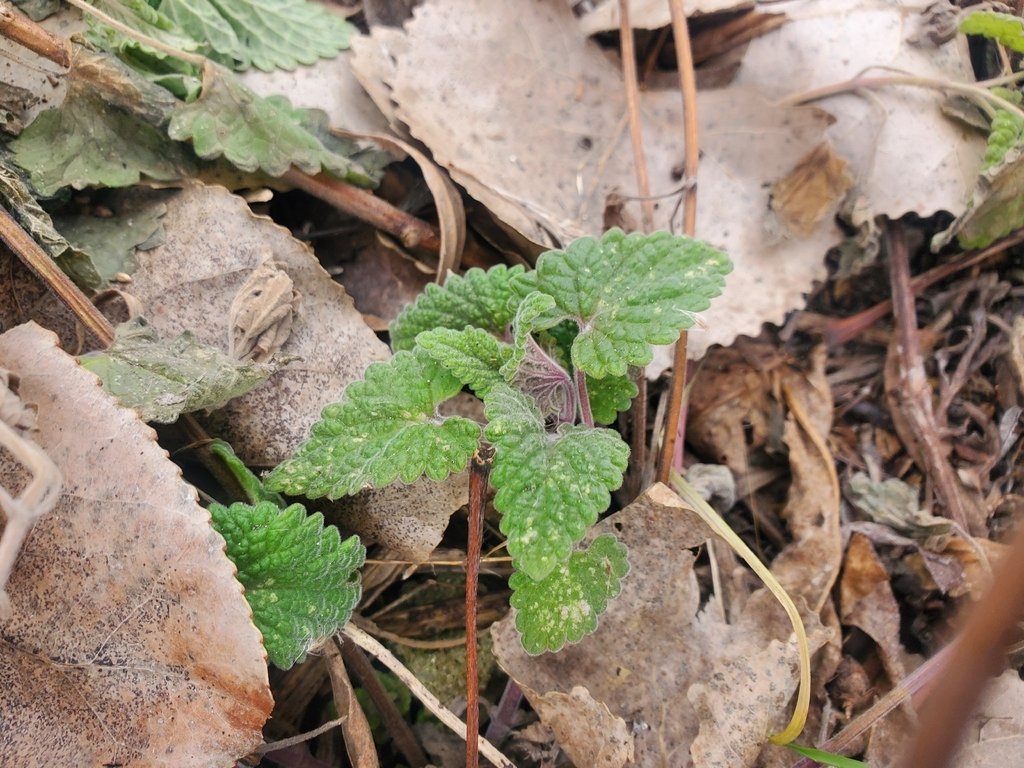
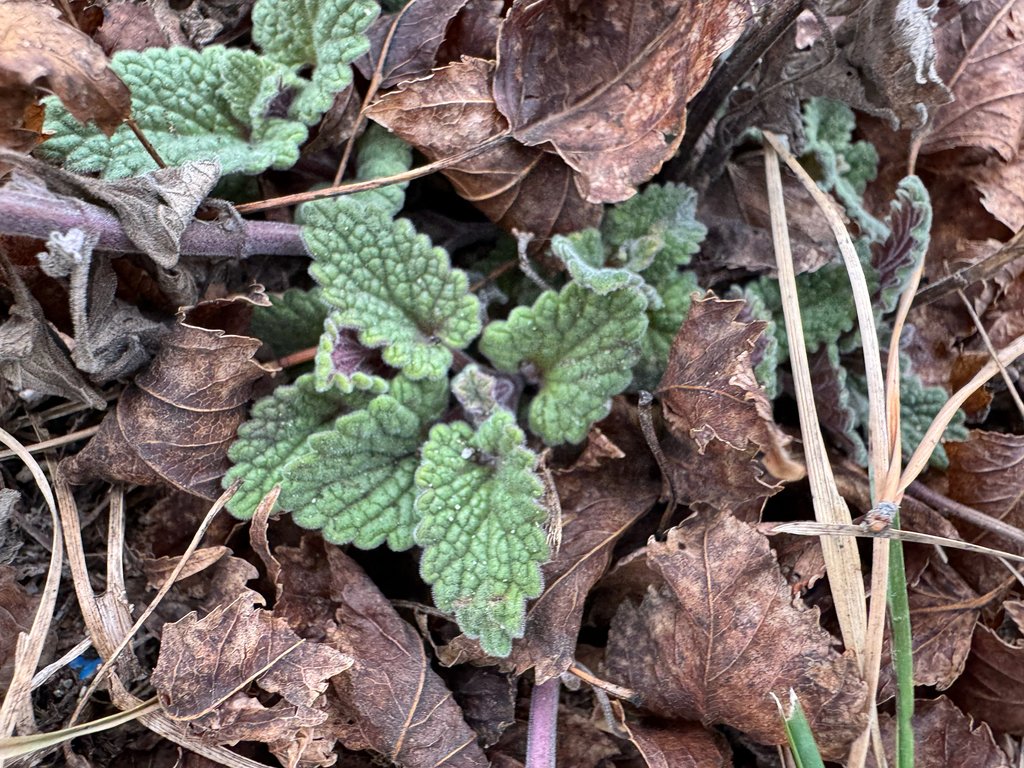
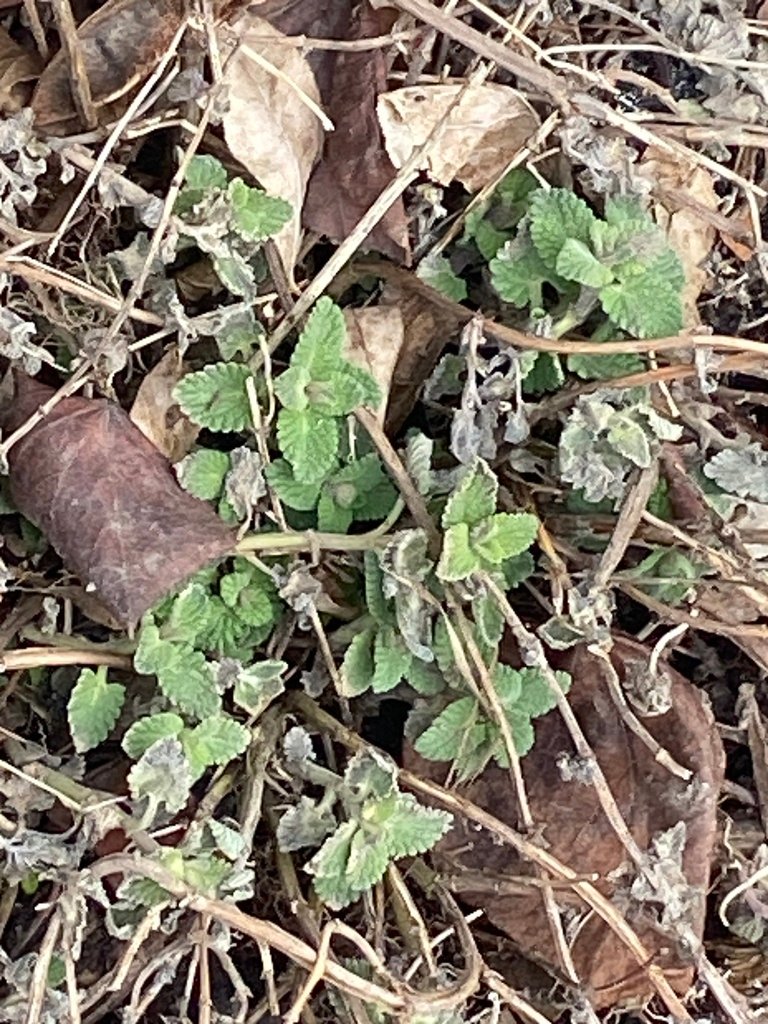
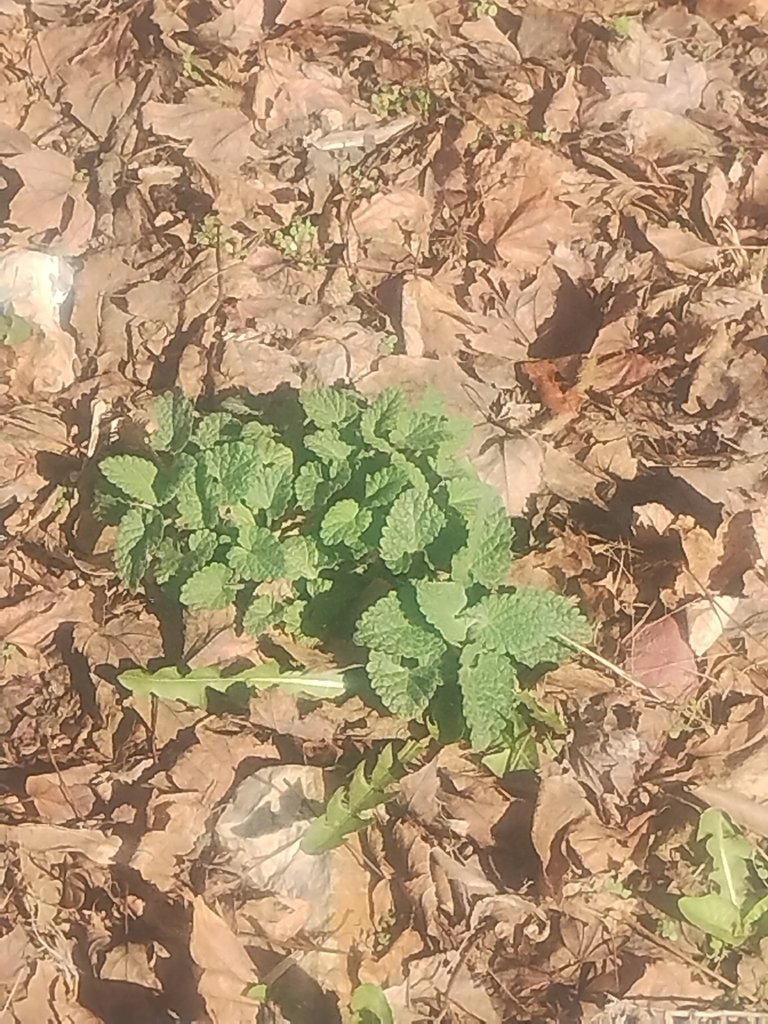

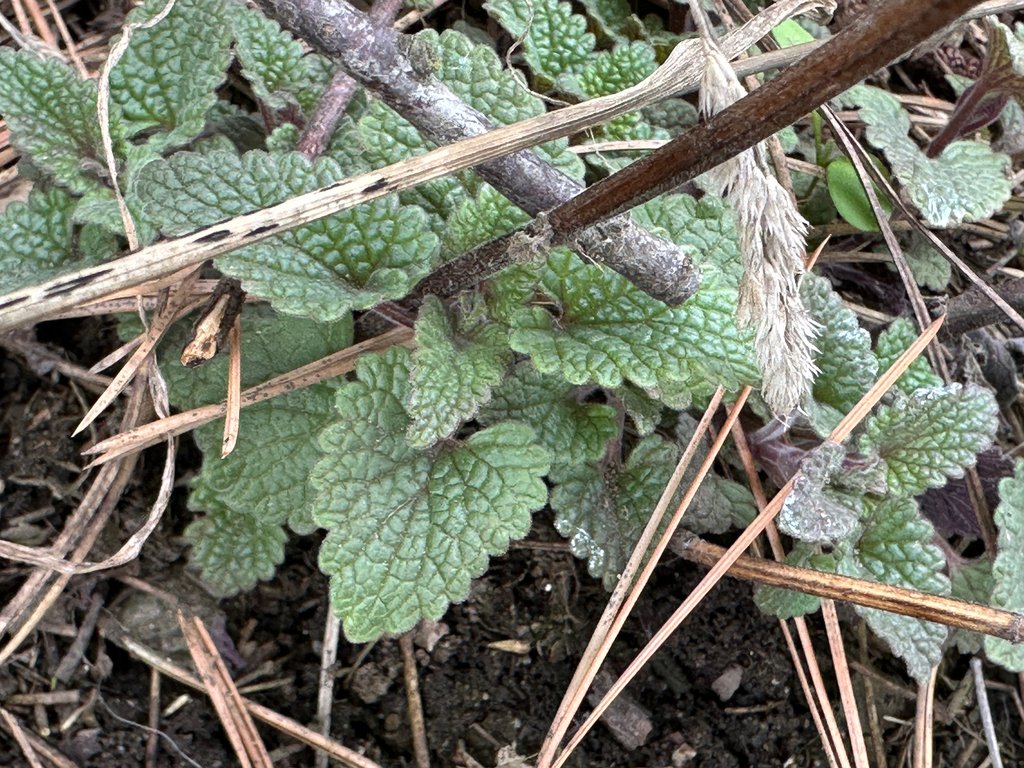
- Botanical name
- Nepeta cataria
- Also known as
- Cat Mint, Cat-Mint, Catmint, Catnip, Catwort, Field Balm, Wild Catmint
- Family
- Lamiaceae
- Genus
- Nepeta
- Flowering period
- July to September
- Height
- 60–100 cm
- Spread
- 45–60 cm
- Hardiness
- Fully hardy (RHS H6)
- Reference
- World Flora Online
How to grow Cat Mint
Full sun
Low once established
Well-drained, poor to moderately fertile
Neutral to alkaline
Planting
Plant or sow in spring in a sunny, well-drained spot. It is coarser and taller than the ornamental catmints grown for edging, so treat it as a herb-garden or informal border plant rather than a front-of-border filler.
Pruning
Cut back by about a third after the first flush of flower for a second, tidier flowering. Cut down to the base in autumn or leave stems until early spring.
Propagation
Sow seed in spring, or take cuttings in early summer. It self-seeds readily and seedlings appear around the parent plant.
Pests and diseases
Few problems. The most common damage is from cats rolling on and flattening the plant.
Value to wildlife
A heavily worked bee plant over a long midsummer season, drawing bumblebees and honeybees. Also attracts cats, which may or may not be what you want.
Notes
Protect young plants with a low cage of twigs or wire until they are established, or cats will destroy them. Self-seeding can be prolific, so cut back before seed sets if that matters.
This guidance was researched and written by GardenDecoded — see our editorial policy for how guides are checked and reviewed.
Other names for this plant
These names have all been used for Nepeta cataria but are no longer the accepted name. You may still meet them on old labels, in books, or in nursery catalogues.
Calamintha albiflora
Cataria tomentosa
Cataria vulgaris
Glechoma cataria
Glechoma macrura
Nepeta americana
Nepeta bodinieri
Nepeta cataria f. laurentii
Nepeta cataria var. canescens
Nepeta cataria var. citriodora
Nepeta ceretana
Nepeta citriodora
Nepeta laurentii
Nepeta macrura
Nepeta minor
Nepeta mollis
Nepeta ruderalis
Nepeta tomentosa
Nepeta vulgaris
Others in Nepeta
GardenDecoded is an educational gardening reference. Botanical data comes from World Flora Online and GBIF; growing guidance is our own. Always check a plant's toxicity and local invasiveness status before planting, and never eat or apply a plant based on this site alone.