Miscanthus depauperatus
Chinese Silvergrass
Miscanthus sinensis
Andersson Species



- Botanical name
- Miscanthus sinensis
- Also known as
- Chinese Silvergrass, Eulalia, Miscanthus, Zebra Grass
- Family
- Poaceae
- Genus
- Miscanthus
- Flowering period
- August to October
- Height
- 120–250 cm
- Spread
- 90–120 cm
- Hardiness
- Fully hardy (RHS H6)
- Reference
- World Flora Online
How to grow Chinese Silvergrass
Full sun; flowers poorly in shade
Moderate; established clumps tolerate short dry spells
Moderately fertile, moisture-retentive, well-drained
Acid to alkaline
Planting
Plant in spring rather than autumn so the clump establishes in warming soil. Give it full sun and room — mature clumps are wide, and it works best as a structural block in a large border or as a summer screen. Later-flowering cultivars may not flower reliably in cooler northern gardens, so check the flowering time before buying.
Pruning
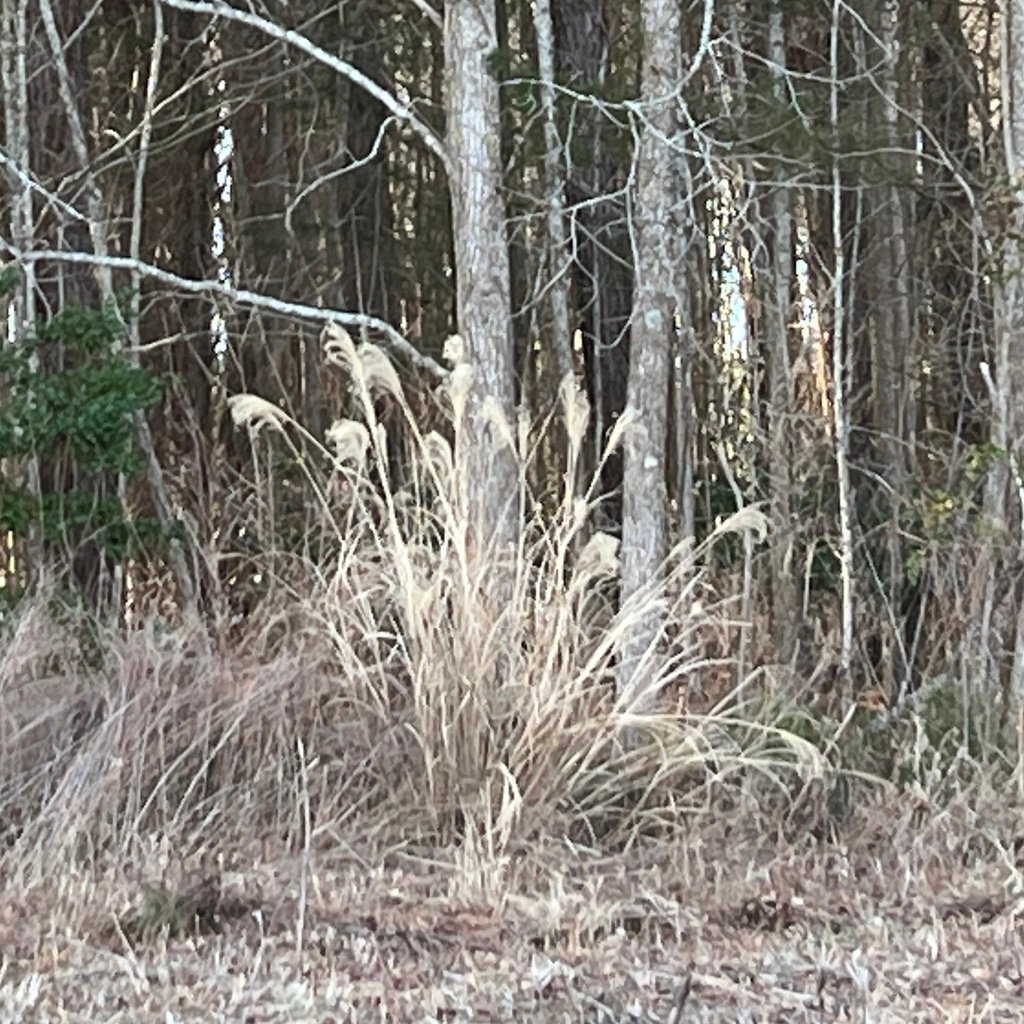
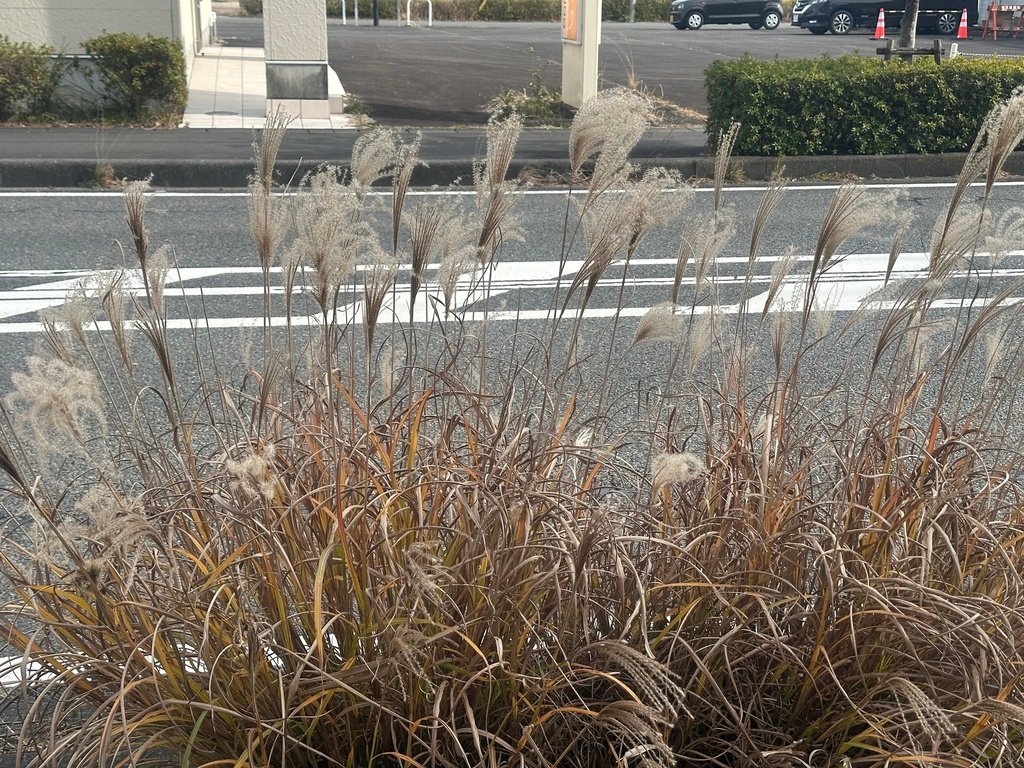
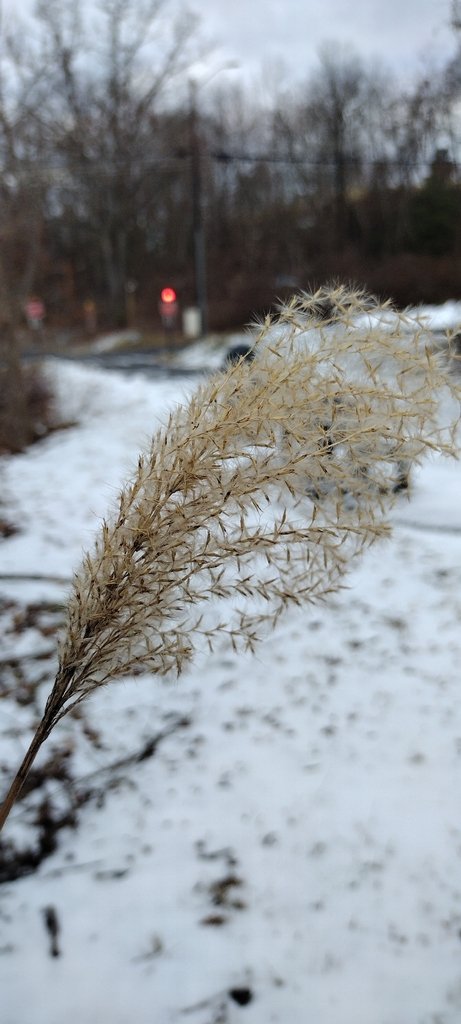
Cut all stems down to about 10 cm in late February or March, before new growth starts. Leave the dead stems standing through winter: they hold their shape, catch frost and light, and are one of the best reasons to grow the plant.
Propagation
Divide in spring as growth begins. Established clumps are dense and tough, and a spade or a saw is usually needed rather than hand pulling.
Pests and diseases
Generally trouble-free. The commonest disappointment is failure to flower, which is down to insufficient sun or a cultivar that flowers too late for the site.
Value to wildlife
The standing winter stems shelter insects, and the clump gives cover for small birds.
Notes
It is clump-forming rather than running, so it does not invade. Divide every four or five years when the centre starts to open out and stems begin to flop.
This guidance was researched and written by GardenDecoded — see our editorial policy for how guides are checked and reviewed.
Other names for this plant
These names have all been used for Miscanthus sinensis but are no longer the accepted name. You may still meet them on old labels, in books, or in nursery catalogues.
Erianthus japonicus
Eulalia japonica
Eulalia japonica var. gracillima
Eulalia japonica var. zebrina
Eulalia zebrina
Miscanthus boninensis
Miscanthus chejuensis
Miscanthus chrysander
Miscanthus condensatus
Miscanthus condensatus var. intermedius
Miscanthus condensatus var. purpurascens
Miscanthus coreensis
Miscanthus flavidus
Miscanthus hidakanus
Miscanthus ionandros
Miscanthus kanehirai
Miscanthus kokusanensis
Miscanthus kokusanensis f. variegatus
Miscanthus kokusanensis var. variegatus
Miscanthus littoralis
Miscanthus matsudae
Miscanthus matsudae var. glabrescens
Miscanthus miser
Miscanthus nakaianus
Miscanthus neocoreanus
Miscanthus purpurascens
Miscanthus pycnocephalus
Miscanthus pycnocephalus var. purpurascens
Miscanthus sinensis f. crassiracemus
Miscanthus sinensis f. decompositus
Miscanthus sinensis f. glaber
Miscanthus sinensis f. gracillimus
Miscanthus sinensis f. hashimotoi
Miscanthus sinensis f. porphyrocomus
Miscanthus sinensis f. purpurascens
Miscanthus sinensis f. pycnocephalus
Miscanthus sinensis f. sinensis
Miscanthus sinensis f. transiticus
Miscanthus sinensis f. variegatus
Miscanthus sinensis f. variegatus
Miscanthus sinensis f. zebrinus
Miscanthus sinensis f. zebrinus
Miscanthus sinensis subsp. condensatus
Miscanthus sinensis subsp. purpurascens
Miscanthus sinensis var. albiflorus
Miscanthus sinensis var. chejuensis
Miscanthus sinensis var. condensatus
Miscanthus sinensis var. coreensis
Miscanthus sinensis var. coriaceus
Miscanthus sinensis var. decompositus
Miscanthus sinensis var. formosanus
Miscanthus sinensis var. gracillimus
Miscanthus sinensis var. intermedius
Miscanthus sinensis var. ionandros
Miscanthus sinensis var. ionandros
Miscanthus sinensis var. keumunensis
Miscanthus sinensis var. longiaxis
Miscanthus sinensis var. nakaianus
Miscanthus sinensis var. nakaianus
Miscanthus sinensis var. purpurascens
Others in Miscanthus
GardenDecoded is an educational gardening reference. Botanical data comes from World Flora Online and GBIF; growing guidance is our own. Always check a plant's toxicity and local invasiveness status before planting, and never eat or apply a plant based on this site alone.