Lupinus × hispanicoluteus
Altramuz Perenne
Lupinus polyphyllus
Lindl. Species
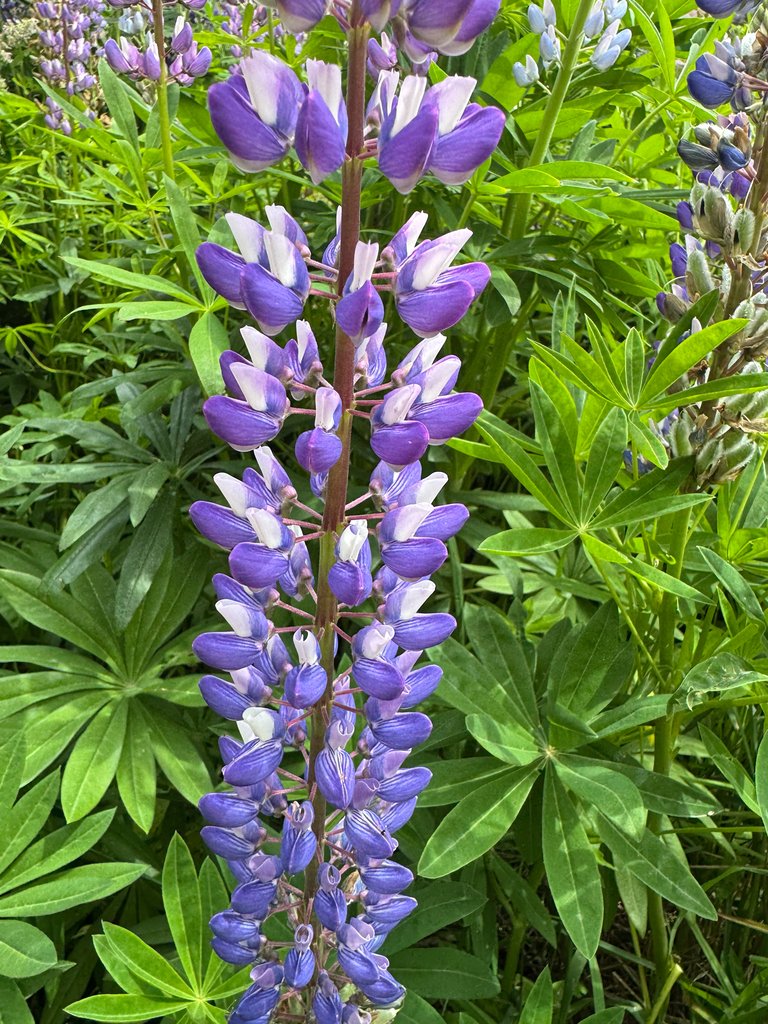
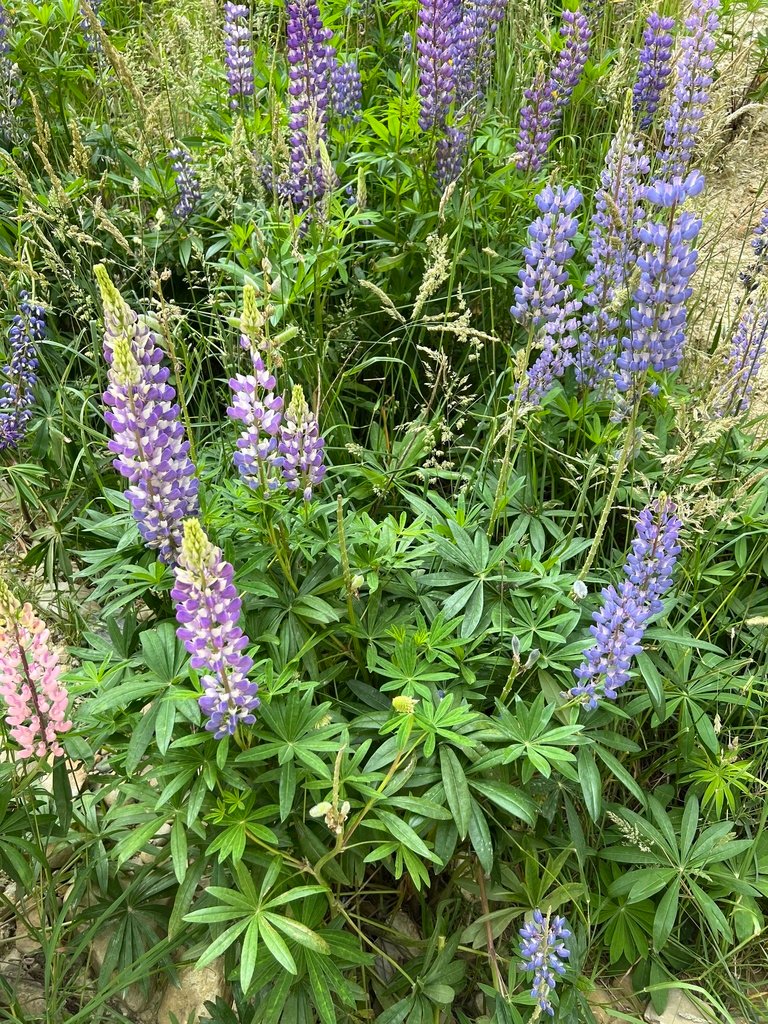


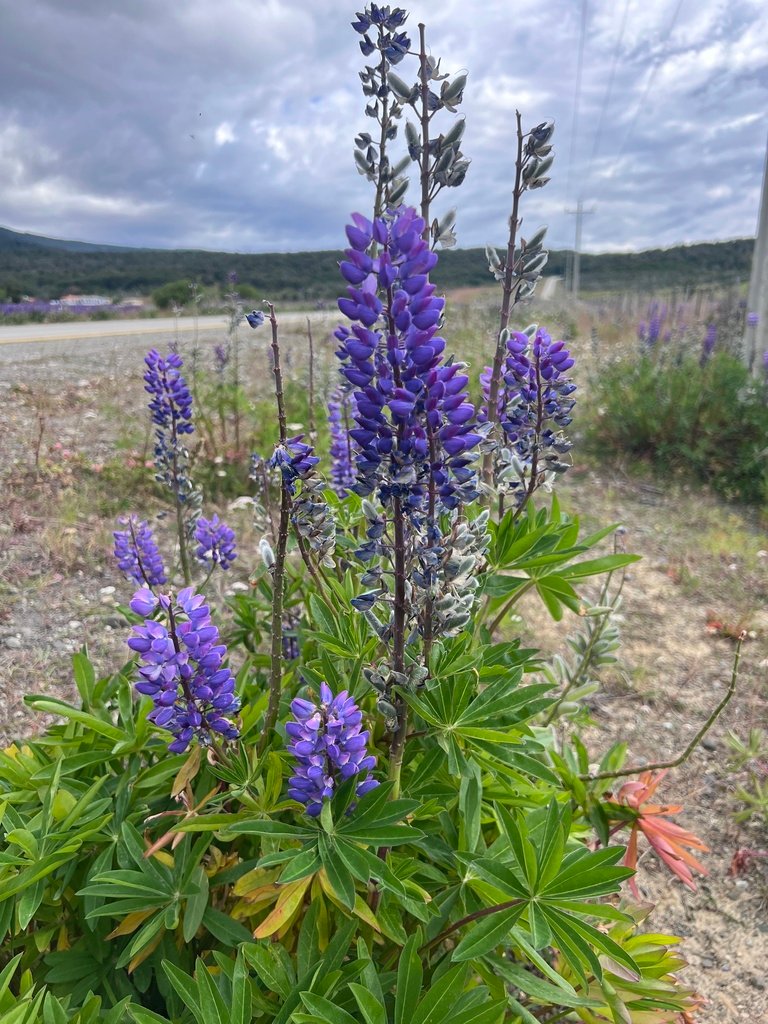
- Botanical name
- Lupinus polyphyllus
- Also known as
- Altramuz Perenne, Big-Leaved Lupine, Bigleaf Lupine, Blue Pod, Garden Lupin, Garden Lupine, Large-Leaf Lupin, Large-Leaved Lupin, Large-Leaved Lupine, Many-Leaved Lupine, Meadow Lupine, Russel Lupin, Russell Lupin, Washington Lupin, Washington Lupine
- Family
- Fabaceae
- Genus
- Lupinus
- Flowering period
- June to July
- Height
- 90–120 cm
- Spread
- 45–75 cm
- Hardiness
- Fully hardy (RHS H6)
- Reference
- World Flora Online
How to grow Altramuz Perenne
Full sun to light shade
Moderate; water in dry spells while in growth
Light, well-drained, not too rich
Slightly acid to neutral; dislikes very alkaline soil
Planting
Plant in autumn or spring in a sunny spot with reasonable drainage; they are poor on thin chalk. Give them shelter from wind, as the tall spikes catch it. Being legumes they fix their own nitrogen and do not need feeding.
Pruning
Cut the main spike off as soon as it fades, before seed sets, and a smaller second flush usually follows in late summer. Cut the whole plant to the ground in autumn.
Propagation
Take basal cuttings in spring, cutting shoots with a sliver of the crown attached. Seed germinates well after soaking or chipping but seedlings of named plants vary widely in colour.
Pests and diseases
Slugs and snails destroy young plants and new spring growth and are the main obstacle to establishing them. Lupin aphid, a large grey aphid, can build up quickly on the flower spikes and needs dealing with early.
Value to wildlife
Bumblebees work the flowers heavily; they are strong enough to open the keel of each floret, which smaller bees are not.
Notes
Most plants are good for three or four years and then decline, so raise replacements rather than trying to nurse an old clump. The seeds are widely reported as harmful if eaten — check the plant's toxicity before planting it where children or pets have access.
This guidance was researched and written by GardenDecoded — see our editorial policy for how guides are checked and reviewed.
Other names for this plant
These names have all been used for Lupinus polyphyllus but are no longer the accepted name. You may still meet them on old labels, in books, or in nursery catalogues.
Lupinus biddlei
Lupinus polyphyllus var. polyphyllus
Others in Lupinus
GardenDecoded is an educational gardening reference. Botanical data comes from World Flora Online and GBIF; growing guidance is our own. Always check a plant's toxicity and local invasiveness status before planting, and never eat or apply a plant based on this site alone.