Lonicera × helvetica
Common Honeysuckle
Lonicera periclymenum
L. Species
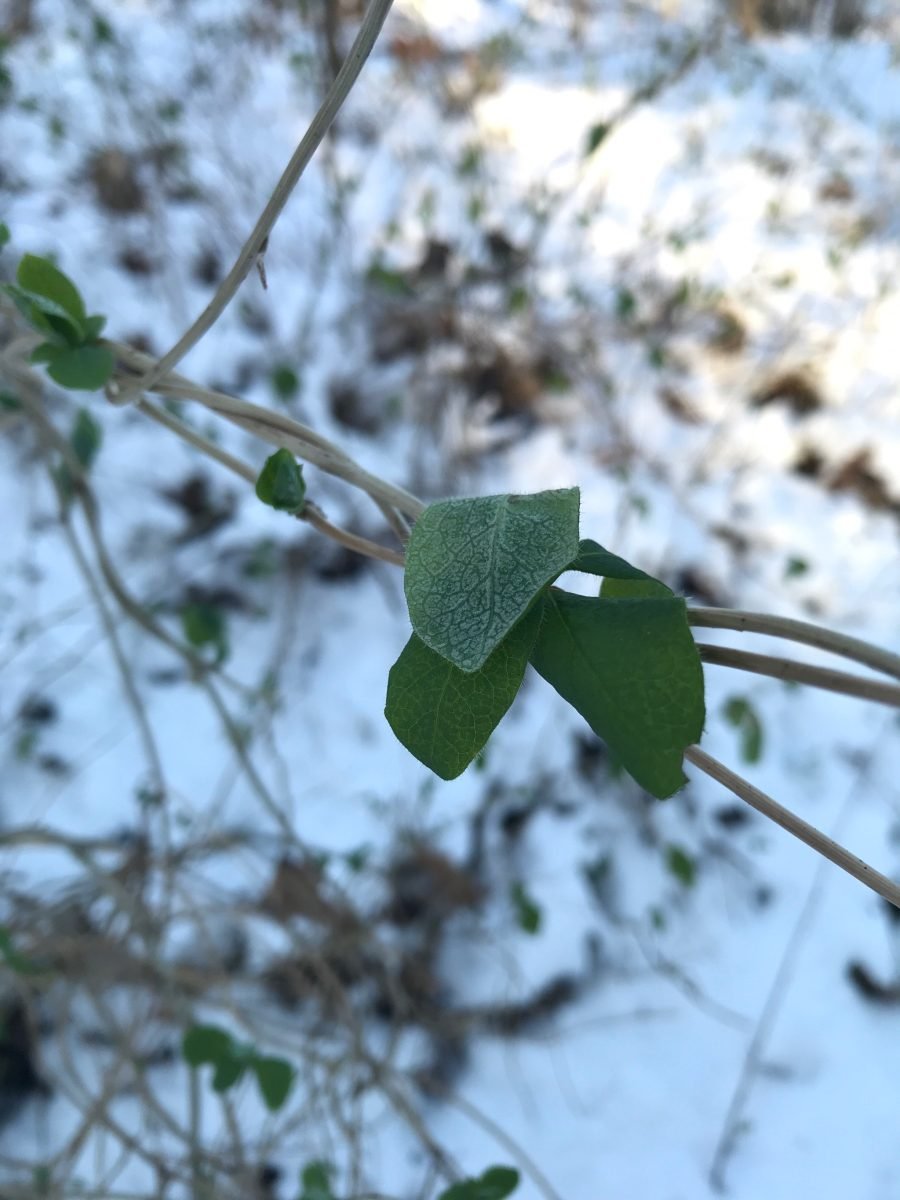
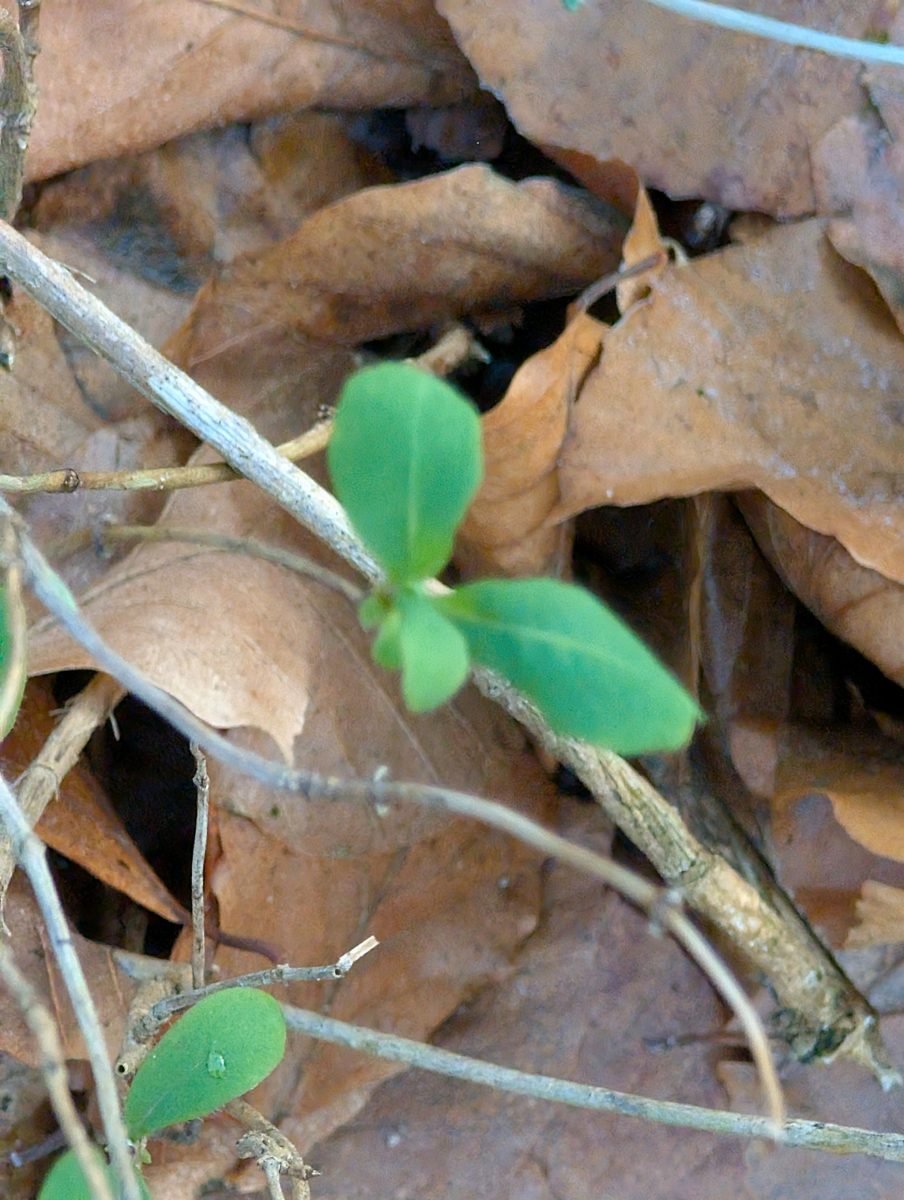
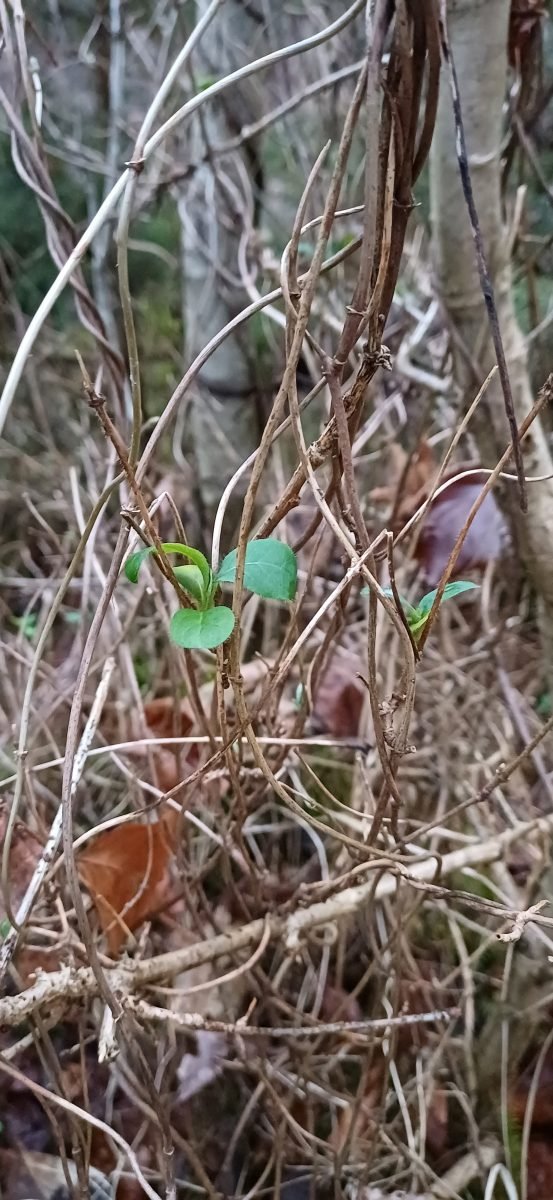
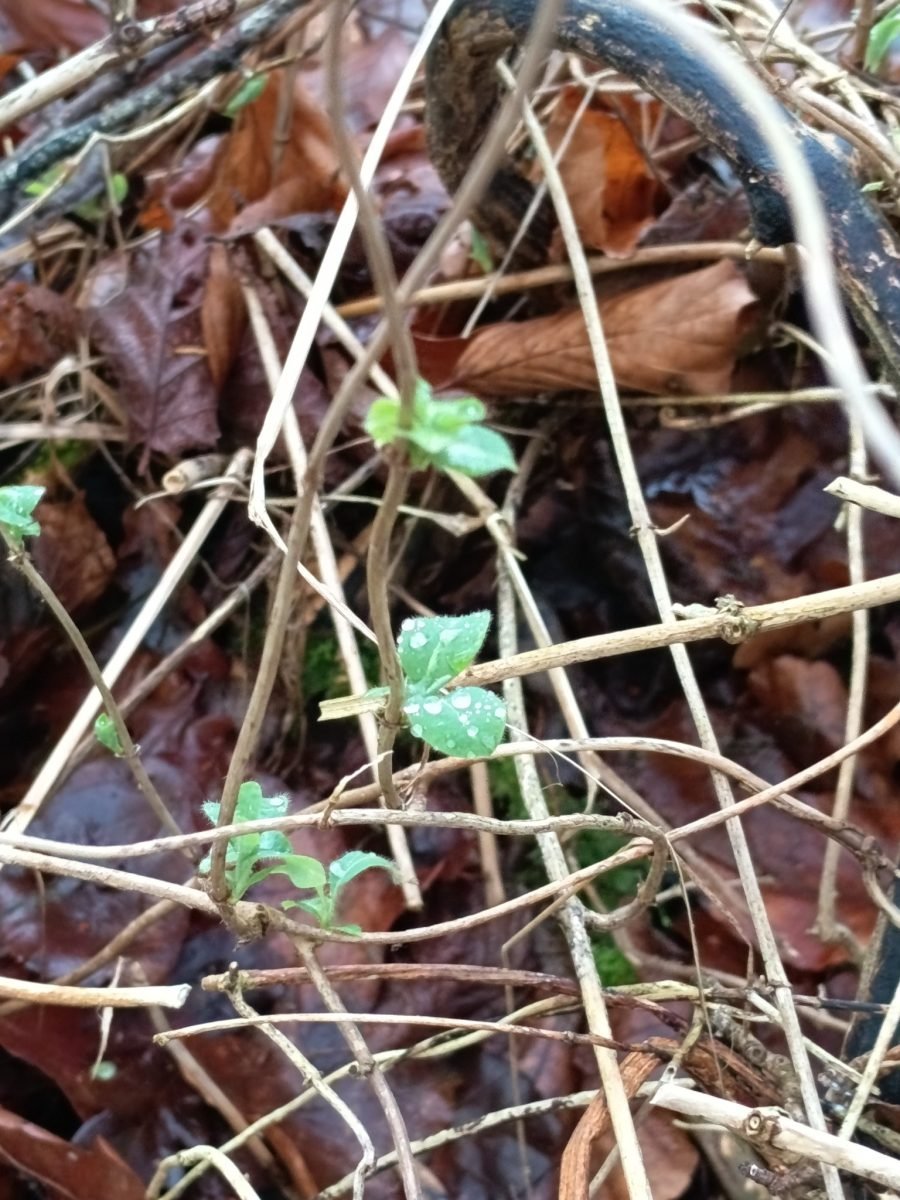
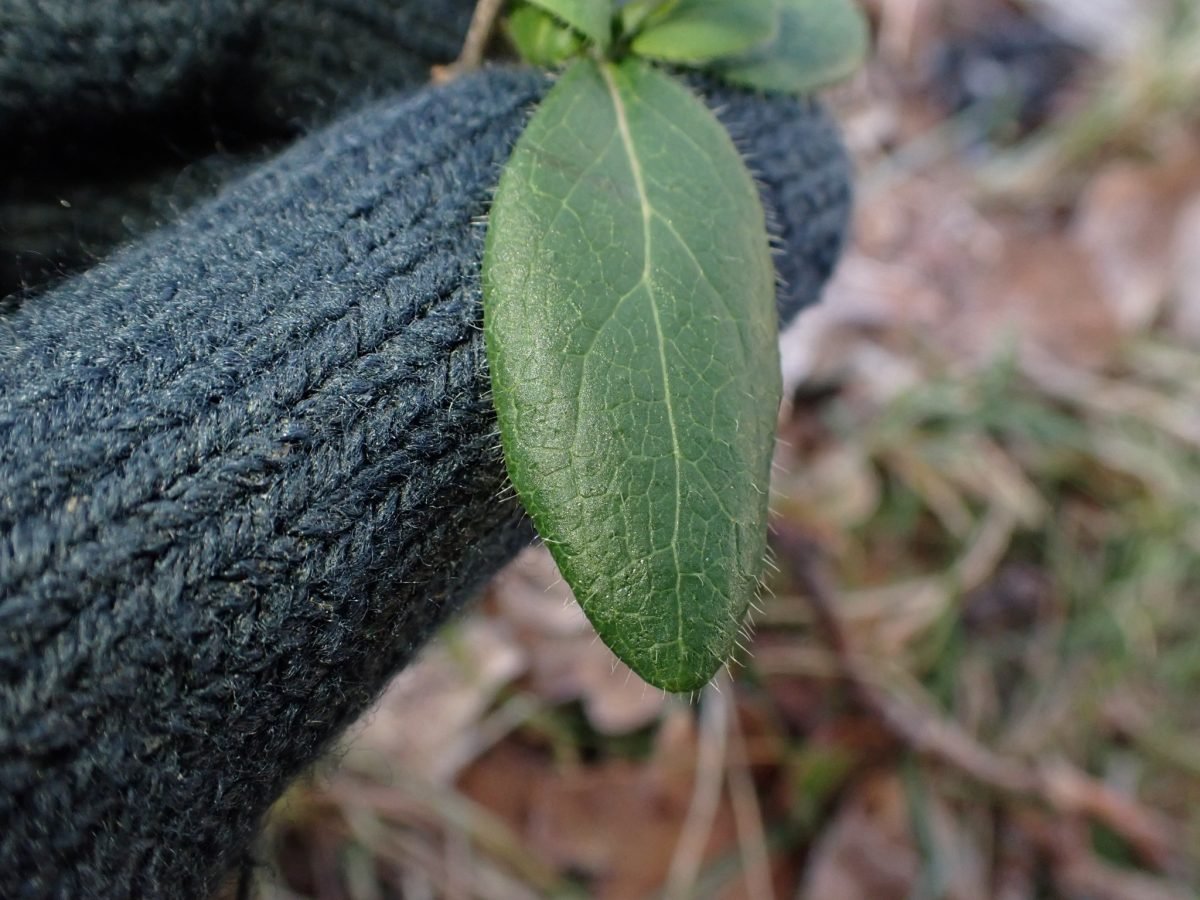
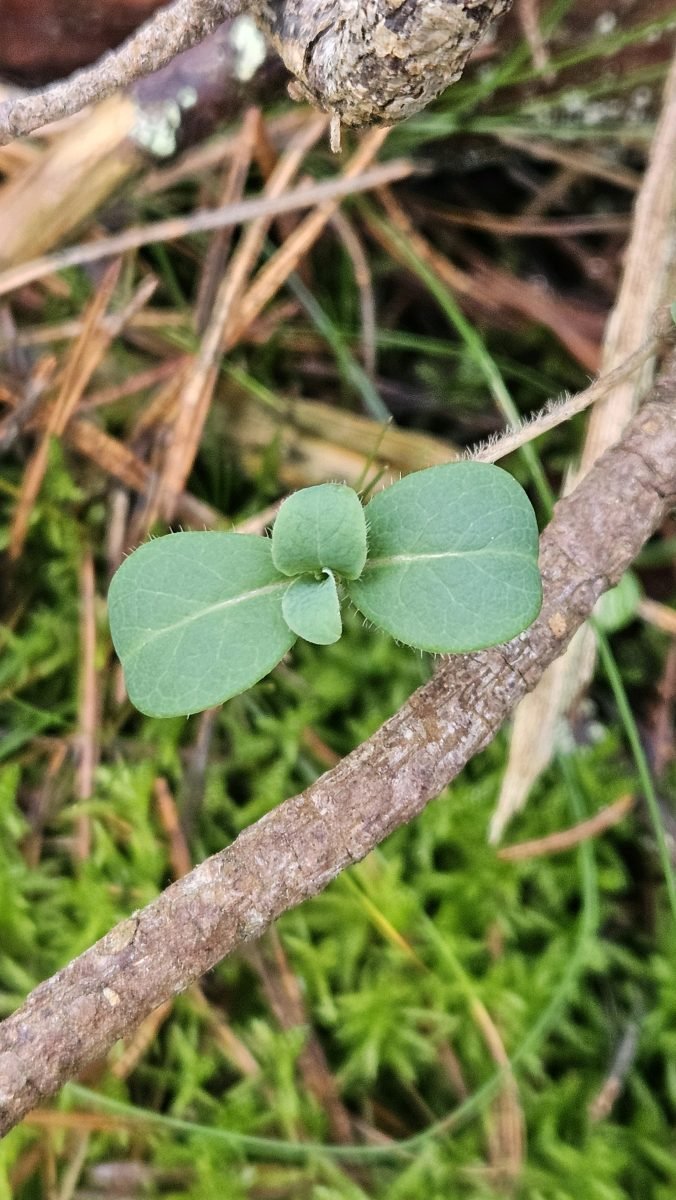
- Botanical name
- Lonicera periclymenum
- Also known as
- Common Honeysuckle, European Honeysuckle, Honeysuckle, Woodbine, Woodbine Honeysuckle
- Family
- Caprifoliaceae
- Genus
- Lonicera
- Flowering period
- June to August
- Height
- 4–7 m
- Hardiness
- Fully hardy (RHS H6)
- Reference
- World Flora Online
How to grow Common Honeysuckle
Roots in shade, top growth in sun or dappled light
Moderate; keep the root area cool and moist
Moist, humus-rich, well-drained
Planting
Plant with the base shaded — by a low shrub, a large stone, or simply on the shaded side of the support. Dry hot roots are the main cause of the mildew and poor flowering that people blame on the plant.
Pruning
After flowering, shorten the flowered shoots by about a third. Every few years take a proportion of the oldest stems right out; an unpruned plant becomes a bird's nest of dead wood held clear of the ground.
Propagation
Semi-ripe cuttings in summer, or layer a trailing stem in autumn. Both work well.
Pests and diseases
Aphids and powdery mildew are both common, and both are worse on plants that are dry at the root.
Value to wildlife
Excellent. Night-scented flowers feed moths, the flowers are worked by long-tongued bumblebees, berries are eaten by birds, and the twining stems provide nesting cover.
Notes
It twines anticlockwise and will strangle a thin sapling if allowed to climb one. Give it wires, a trellis, or a robust host.
This guidance was researched and written by GardenDecoded — see our editorial policy for how guides are checked and reviewed.
Other names for this plant
These names have all been used for Lonicera periclymenum but are no longer the accepted name. You may still meet them on old labels, in books, or in nursery catalogues.
Caprifolium distinctum
Caprifolium germanicum
Caprifolium periclymenum
Caprifolium quercifolium
Caprifolium semperflorens
Euchylia verticillata
Lonicera odora
Lonicera periclymenum f. sublobata
Lonicera periclymenum var. belgica
Lonicera periclymenum var. hirsuta
Lonicera periclymenum var. parviflora
Lonicera periclymenum var. quercifolia
Lonicera periclymenum var. serotina
Lonicera periclymenum var. vulgaris
Periclymenum germanicum
Periclymenum vulgare
Others in Lonicera
GardenDecoded is an educational gardening reference. Botanical data comes from World Flora Online and GBIF; growing guidance is our own. Always check a plant's toxicity and local invasiveness status before planting, and never eat or apply a plant based on this site alone.