Liriodendron × sinoamericanum
Canary Whitewood
Liriodendron tulipifera
L. Species


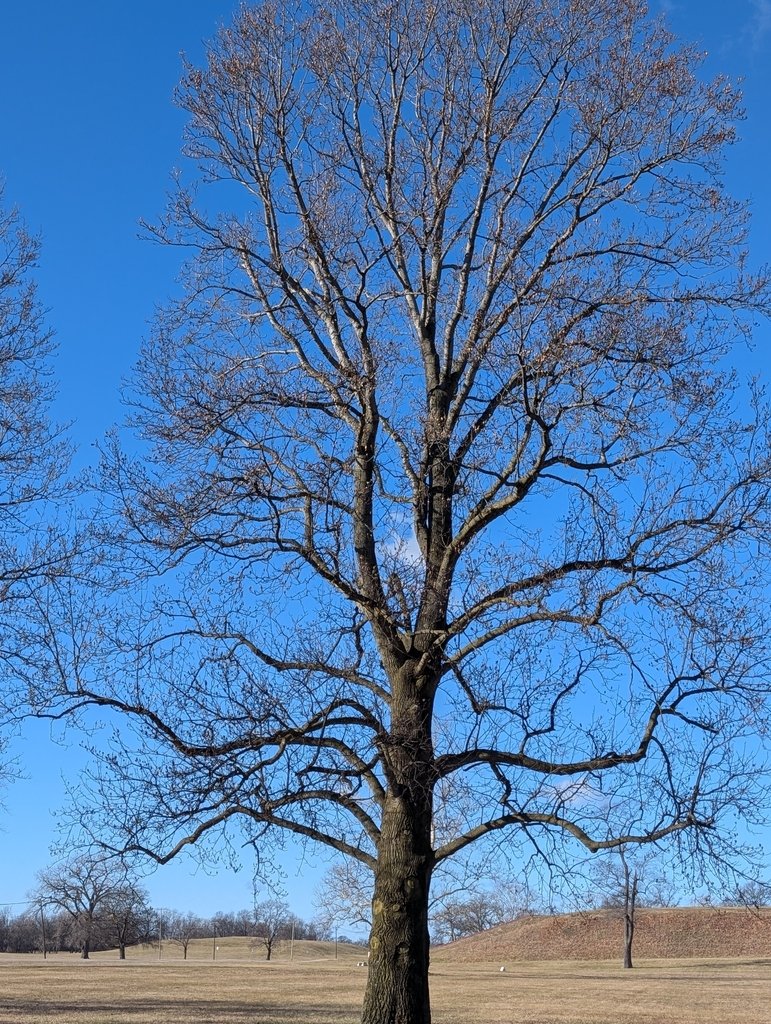
- Botanical name
- Liriodendron tulipifera
- Also known as
- Bois-Jaune, Canary Whitewood, Tulip Poplar, Tulip Tree, Tulip-Poplar, Tulip-Tree, Tuliptree, Yellow Poplar, Yellow-Poplar
- Family
- Magnoliaceae
- Genus
- Liriodendron
- Flowering period
- June to July
- Height
- 18–30 m
- Spread
- 10–15 m
- Hardiness
- Fully hardy (RHS H6)
- Reference
- World Flora Online
How to grow Canary Whitewood
Full sun
Moderate; needs soil that does not dry out badly
Deep, fertile, moist but well-drained
Acid to neutral
Planting
A very large tree that needs a big garden or parkland setting and deep, moisture-retentive soil. Plant young, in spring, and avoid disturbing the roots once established. It does not do well on thin, dry or chalky ground.
Pruning
Minimal. Remove damaged or crossing branches in late winter, and leave the strong central leader alone.
Propagation
Seed germinates poorly, with a high proportion of empty seed, and seedlings take many years to reach flowering size.
Pests and diseases
Generally healthy. Aphids can be numerous in early summer and produce honeydew beneath the canopy.
Value to wildlife
Bees will work the flowers where they can reach them, but the tree offers little to native UK wildlife.
Notes
Trees rarely flower before twenty years or so, and when they do the greenish-orange flowers sit high in the canopy and are easily missed from below. The squared-off leaves and clear yellow autumn colour are the more dependable attractions.
Some structured details on this page (such as tolerances, pH and hardiness) come from USDA PLANTS Database (public domain). The written guidance is GardenDecoded's own, researched as described in our editorial policy.
Other names for this plant
These names have all been used for Liriodendron tulipifera but are no longer the accepted name. You may still meet them on old labels, in books, or in nursery catalogues.
Liriodendron fastigiatum
Liriodendron procerum
Liriodendron truncatifolium
Liriodendron tulipifera f. aureomarginatum
Liriodendron tulipifera f. fastigiatum
Liriodendron tulipifera f. heterophyllum
Liriodendron tulipifera f. integrifolium
Liriodendron tulipifera f. obtusilobum
Liriodendron tulipifera subsp. integrifolium
Liriodendron tulipifera subsp. obtusilobum
Liriodendron tulipifera var. acutilobum
Liriodendron tulipifera var. fastigiatum
Liriodendron tulipifera var. flava
Liriodendron tulipifera var. flavum
Liriodendron tulipifera var. integrifolium
Liriodendron tulipifera var. integrifolium
Liriodendron tulipifera var. obtusilobum
Liriodendron tulipifera var. pyramidale
Liriodendron tulipifera var. variegatum
Tulipifera liriodendrum
Others in Liriodendron
GardenDecoded is an educational gardening reference. Botanical data comes from World Flora Online and GBIF; growing guidance is our own. Always check a plant's toxicity and local invasiveness status before planting, and never eat or apply a plant based on this site alone.