Liatris × boykinii
Blazing Star
Liatris spicata
(L.) Willd. Species
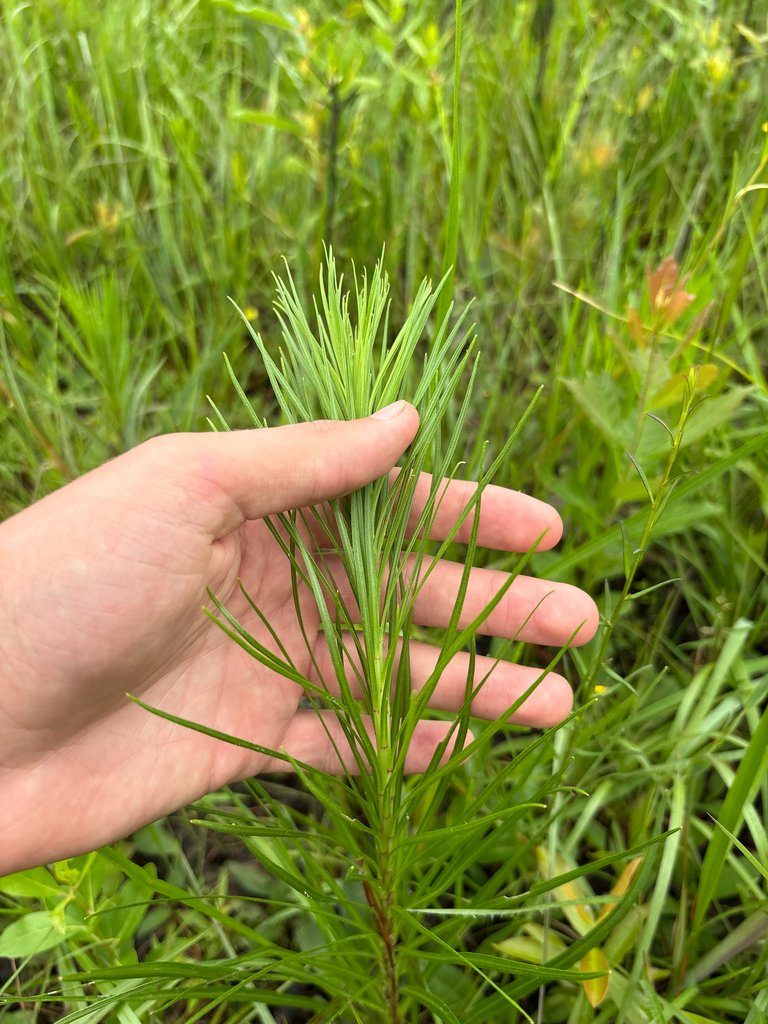
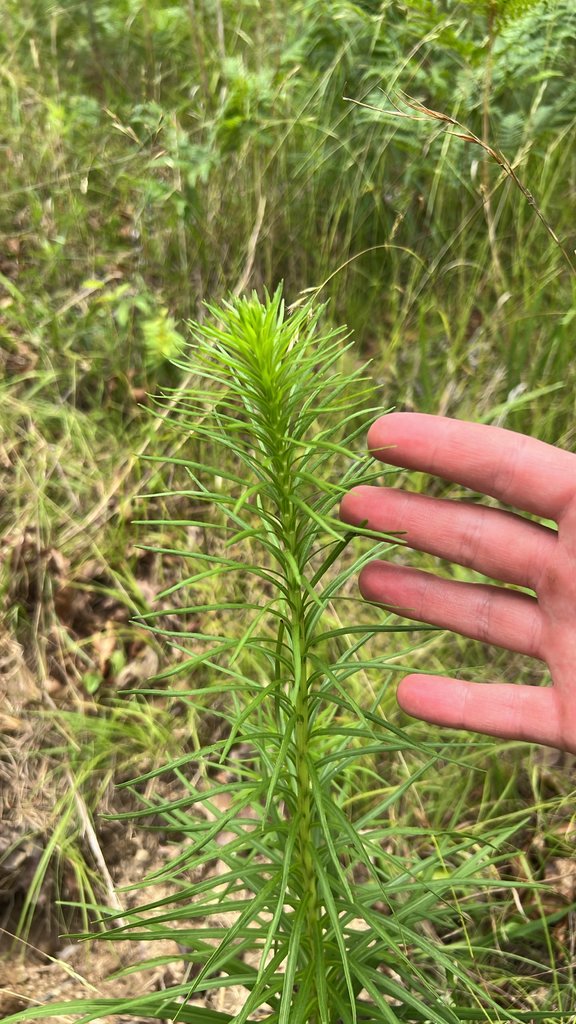
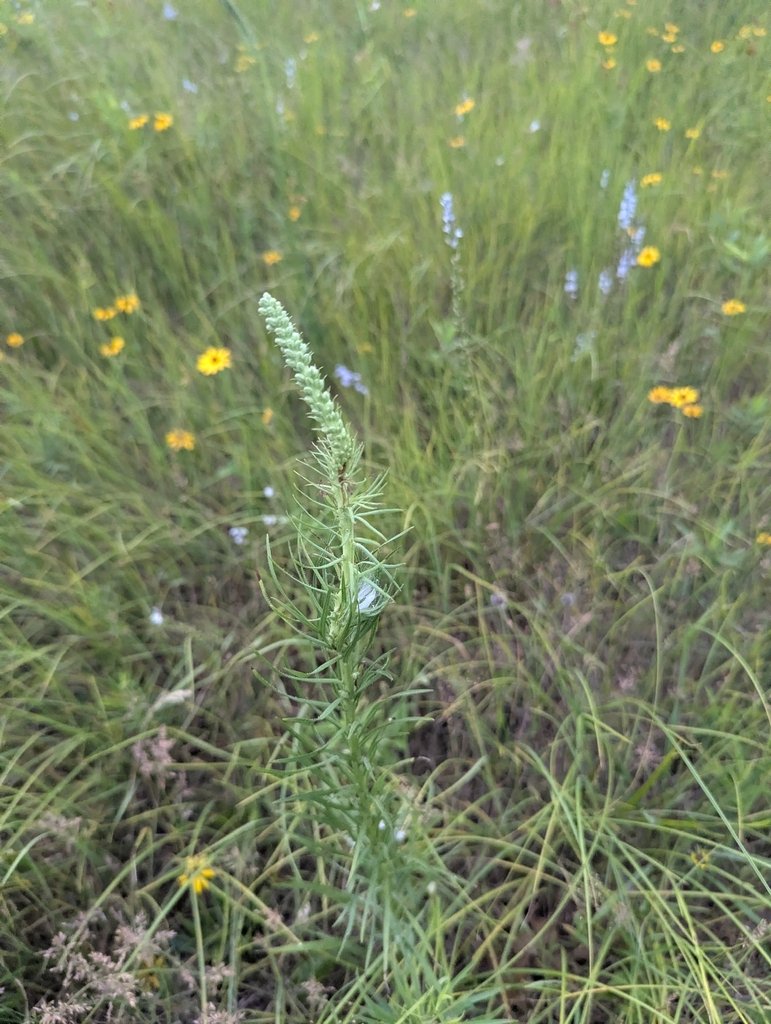
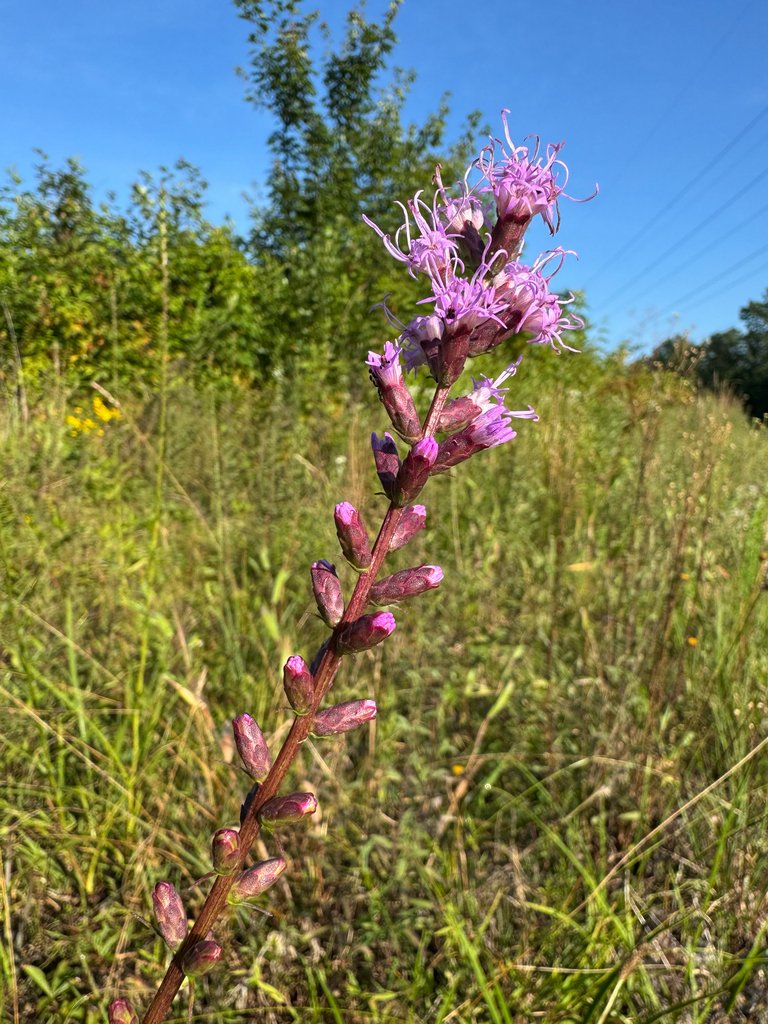
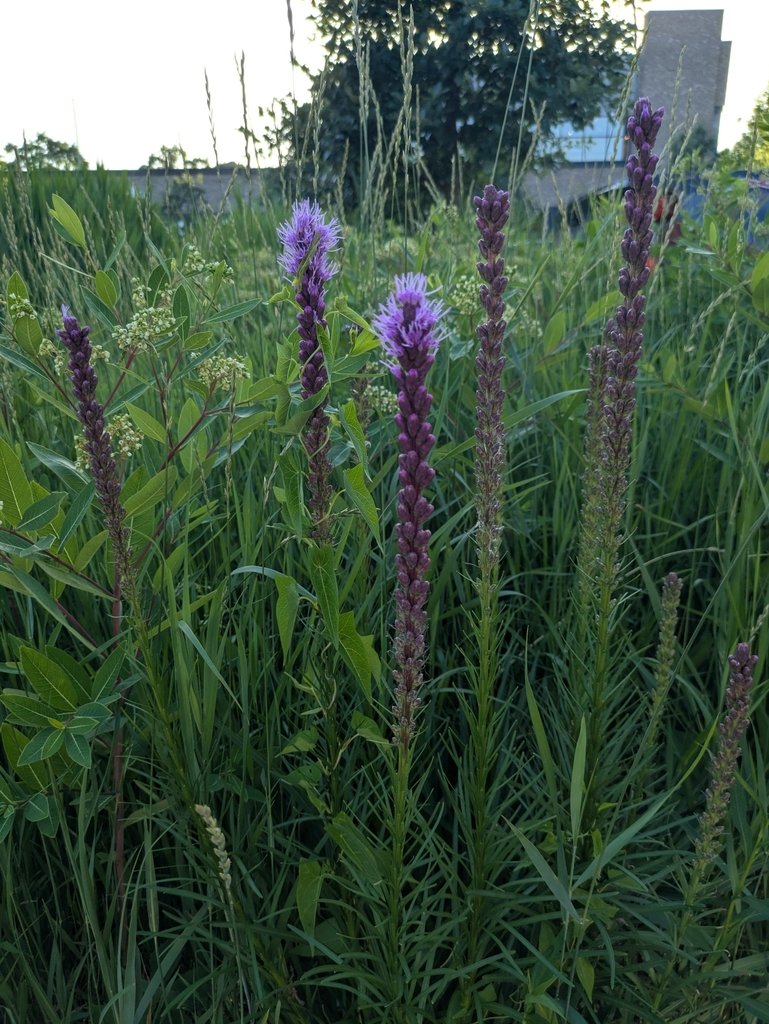
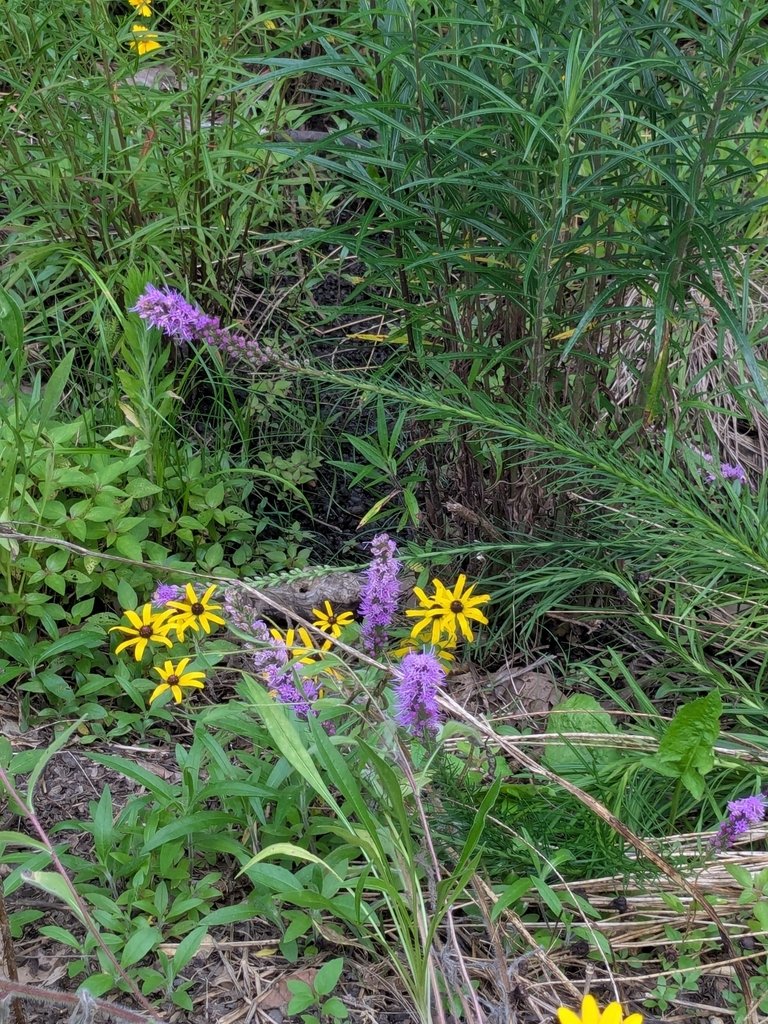
- Botanical name
- Liatris spicata
- Also known as
- Blazing Star, Blazingstar, Button Snakewort, Dense Blazing Star, Dense Blazing-Star, Florist Gayfeather, Florist or Marsh Gayfeather, Gay Feather, Gayfeather, Marsh Blazing-Star, Marsh Blazingstar, Marsh Gayfeather, Prairie-Pine, Sessile Blazing-Star, Sessile-Headed Blazing-Star
- Family
- Asteraceae
- Genus
- Liatris
- Flowering period
- July to September
- Height
- 60–90 cm
- Spread
- 30–45 cm
- Hardiness
- Fully hardy (RHS H6)
- Reference
- World Flora Online
How to grow Blazing Star
Full sun
Moderate in summer; must be well drained in winter
Light, well-drained, moderately fertile
Neutral to slightly acid
Planting
Plant corms in spring about 8 cm deep, or set out pot-grown plants in spring. It tolerates summer damp but rots in cold wet soil over winter, so avoid heavy clay unless you improve the drainage substantially.
Pruning
Cut spent spikes down once they have finished. The stems and seed heads stand reasonably well, so you can leave them into winter and cut back in early spring instead.
Propagation
Divide the corms in spring, or sow seed in autumn — seed-raised plants take a couple of years to flower. Division is the more reliable route.
Pests and diseases
Slugs can take the emerging shoots in spring. Otherwise few problems in a sunny, well-drained spot.
Value to wildlife
A strong late-summer nectar plant for bees and butterflies. The spikes open from the top down, which is unusual and gives a long feeding window.
Notes
Plants grown too rich or too shaded flop and need staking. Kept lean and sunny, the spikes stay upright without support.
This guidance was researched and written by GardenDecoded — see our editorial policy for how guides are checked and reviewed.
Other names for this plant
These names have all been used for Liatris spicata but are no longer the accepted name. You may still meet them on old labels, in books, or in nursery catalogues.
Kuhnia spicata
Kuhnia spicata
Lacinaria elongata
Lacinaria spicata
Lacinaria spicata f. spicata
Lacinaria spicata var. spicata
Lacinaria vittata
Liatris macrostachya
Liatris magnifica
Liatris picta
Liatris pilosa
Liatris pumila
Liatris resinosa
Liatris sessiliflora
Liatris spicata f. spicata
Liatris spicata var. spicata
Liatris turbinata
Liatris vittata
Liatris vittata
Serratula spicata
Suprago spicata
Others in Liatris
GardenDecoded is an educational gardening reference. Botanical data comes from World Flora Online and GBIF; growing guidance is our own. Always check a plant's toxicity and local invasiveness status before planting, and never eat or apply a plant based on this site alone.