Leucanthemum adustum
Common Daisy
Leucanthemum vulgare
Lam. Species
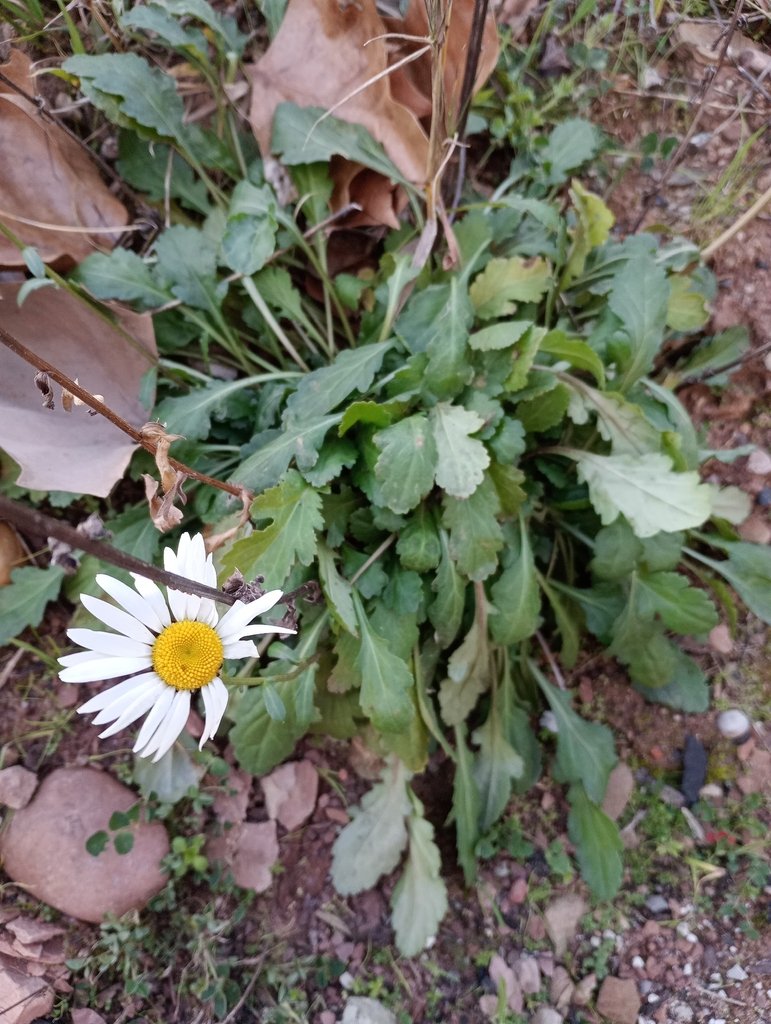

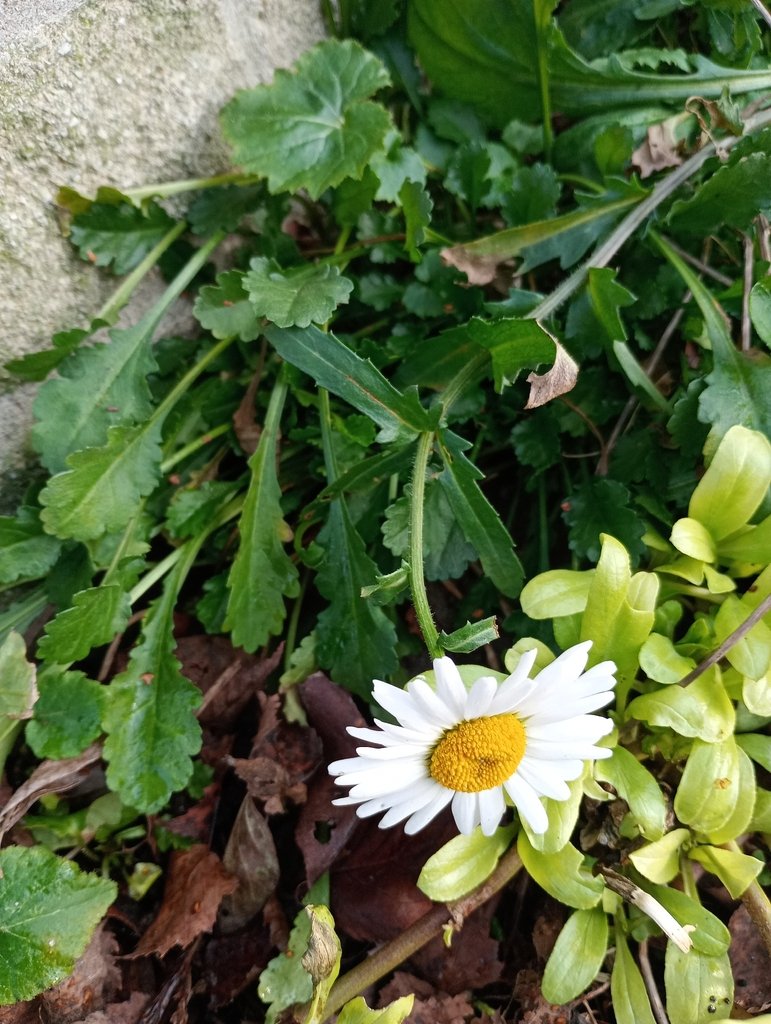
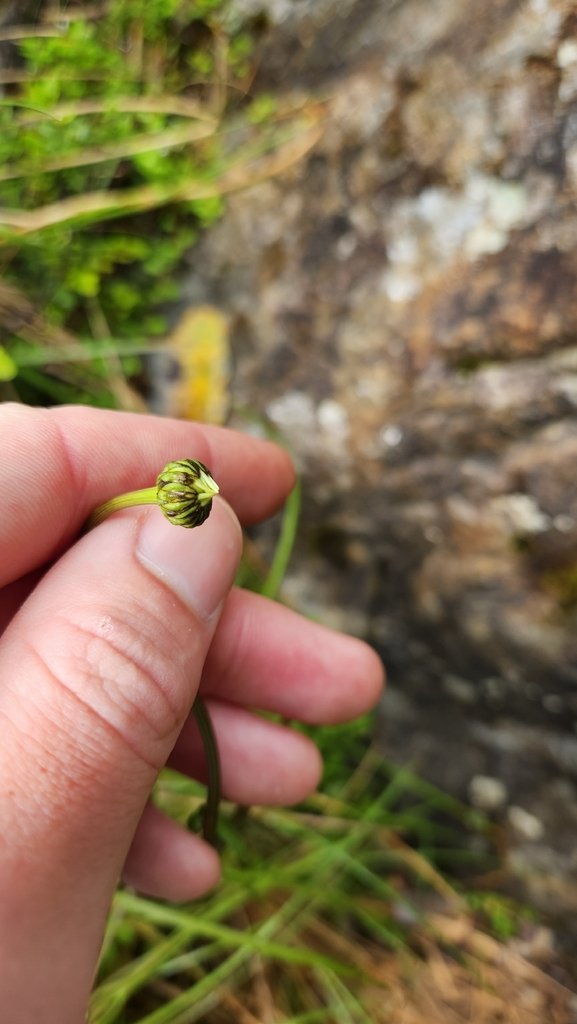
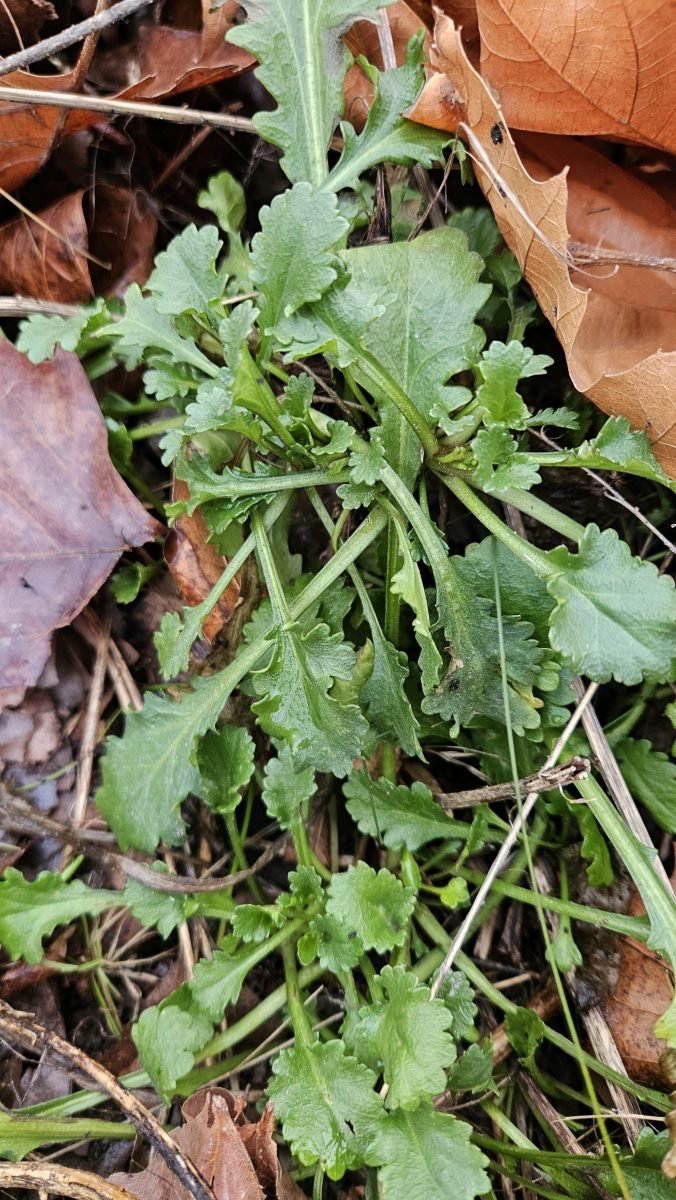
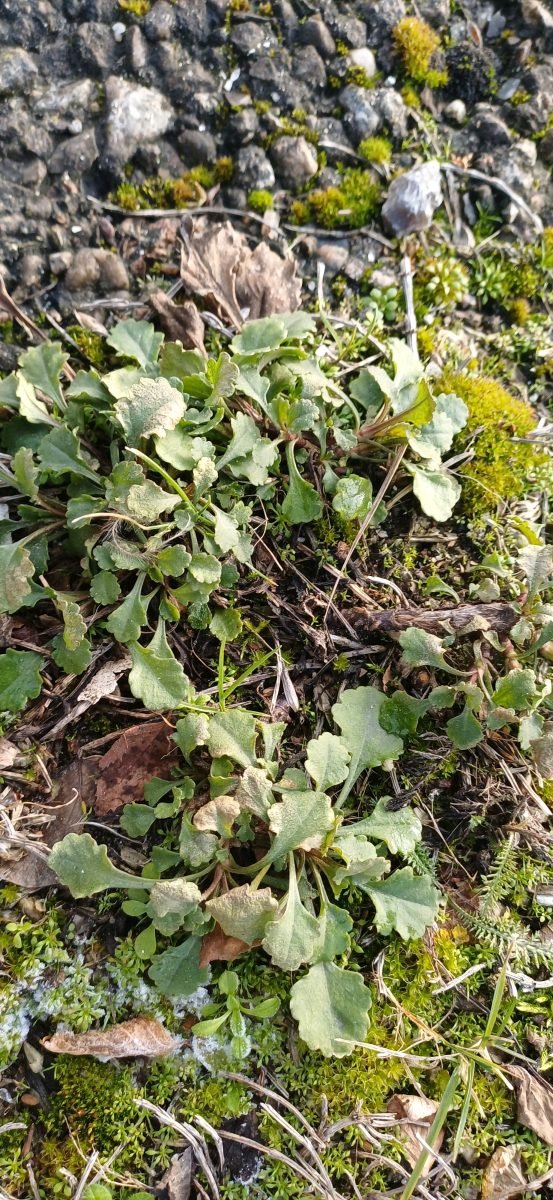
- Botanical name
- Leucanthemum vulgare
- Also known as
- Common Daisy, Dog Daisy, Field Daisy, Margriet, Marguerite, Marguerite Daisy, Moon Daisy, Ox-Eye Daisy, Oxeye Daisy, White Daisy, Whiteweed, Yellow Daisy
- Family
- Asteraceae
- Genus
- Leucanthemum
- Flowering period
- May to August
- Height
- 30–70 cm
- Spread
- 30–45 cm
- Hardiness
- Fully hardy (RHS H7)
- Reference
- World Flora Online
How to grow Common Daisy
Full sun to light shade
Low; tolerates dry conditions once established
Any well-drained soil; thrives on poor ground
Neutral to alkaline
Planting
A meadow plant, so it wants low fertility — on rich border soil it grows tall, flops and is short-lived. Sow seed in autumn or spring into bare ground, or plant plugs into cut turf in autumn. It establishes well alongside yellow rattle in a new meadow.
Pruning
Cut the whole plant back after flowering if you want to limit self-seeding, or leave it to shed seed and cut the meadow in late summer once seed has dropped.
Propagation
Seed is easy and germinates readily; established clumps can also be divided in autumn or spring. It self-seeds freely with no help at all.
Pests and diseases
Few significant problems. Leaf miners may make pale tracks in the foliage without affecting the plant's health.
Value to wildlife
The open daisy flowers are accessible to a wide range of insects, including hoverflies, solitary bees and beetles, which is why it earns its place in meadow mixes.
Notes
It self-seeds enthusiastically in a border. That is a virtue in a meadow and a nuisance in tidy planting, so deadhead if you do not want seedlings everywhere.
Some structured details on this page (such as tolerances, pH and hardiness) come from USDA PLANTS Database (public domain). The written guidance is GardenDecoded's own, researched as described in our editorial policy.
Toxicity
USDA PLANTS rates this species as having slight toxicity. Keep it away from children and animals, wash your hands after handling it, and seek medical or veterinary advice immediately if any part is eaten.
Source: USDA PLANTS Database (public domain) — always confirm with an authoritative source before acting on it.
Other names for this plant
These names have all been used for Leucanthemum vulgare but are no longer the accepted name. You may still meet them on old labels, in books, or in nursery catalogues.
Chrysanthemum lanceolatum
Chrysanthemum leucanthemum f. leucanthemum
Chrysanthemum leucanthemum subsp. lanceolatum
Chrysanthemum leucanthemum subsp. leucanthemum
Chrysanthemum leucanthemum var. leucanthemum
Chrysanthemum montanum
Chrysanthemum montanum var. heterophyllum
Chrysanthemum vulgare var. vulgare
Leucanthemum atratum var. heterophyllum
Leucanthemum lanceolatum
Leucanthemum praecox
Leucanthemum vulgare subsp. incisum
Leucanthemum vulgare subsp. praecox
Leucanthemum vulgare var. vulgare
Others in Leucanthemum
GardenDecoded is an educational gardening reference. Botanical data comes from World Flora Online and GBIF; growing guidance is our own. Always check a plant's toxicity and local invasiveness status before planting, and never eat or apply a plant based on this site alone.