Lavandula × intermedia nothosubsp. × intermedia
Common Lavender
Lavandula angustifolia
Mill. Species


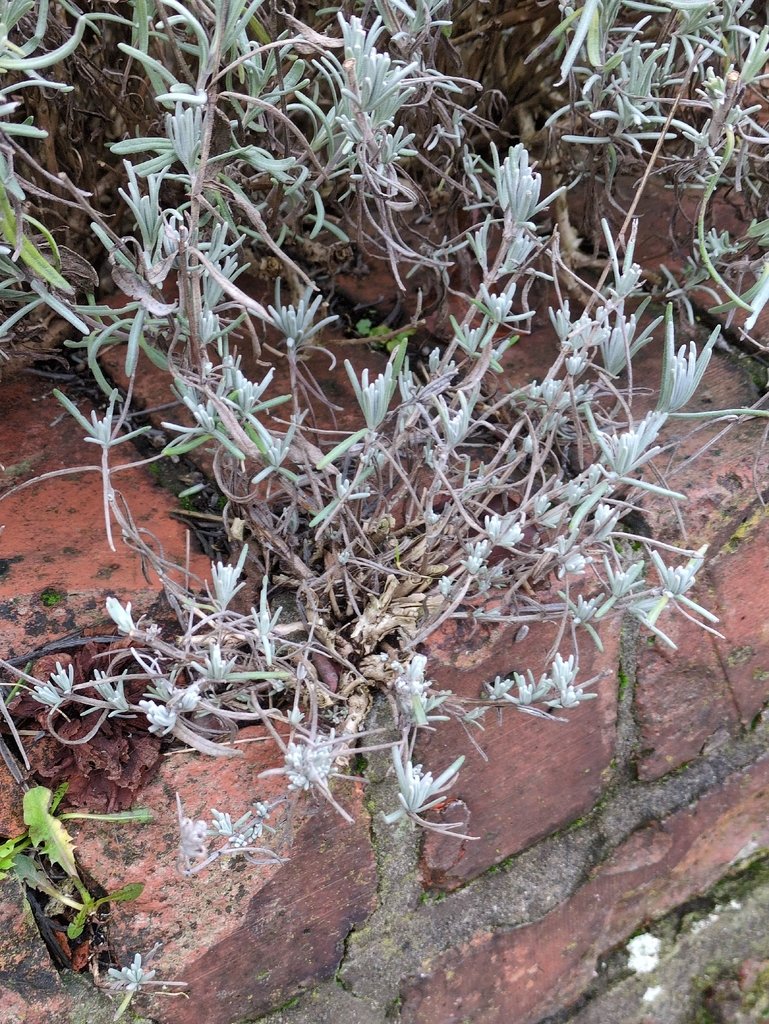
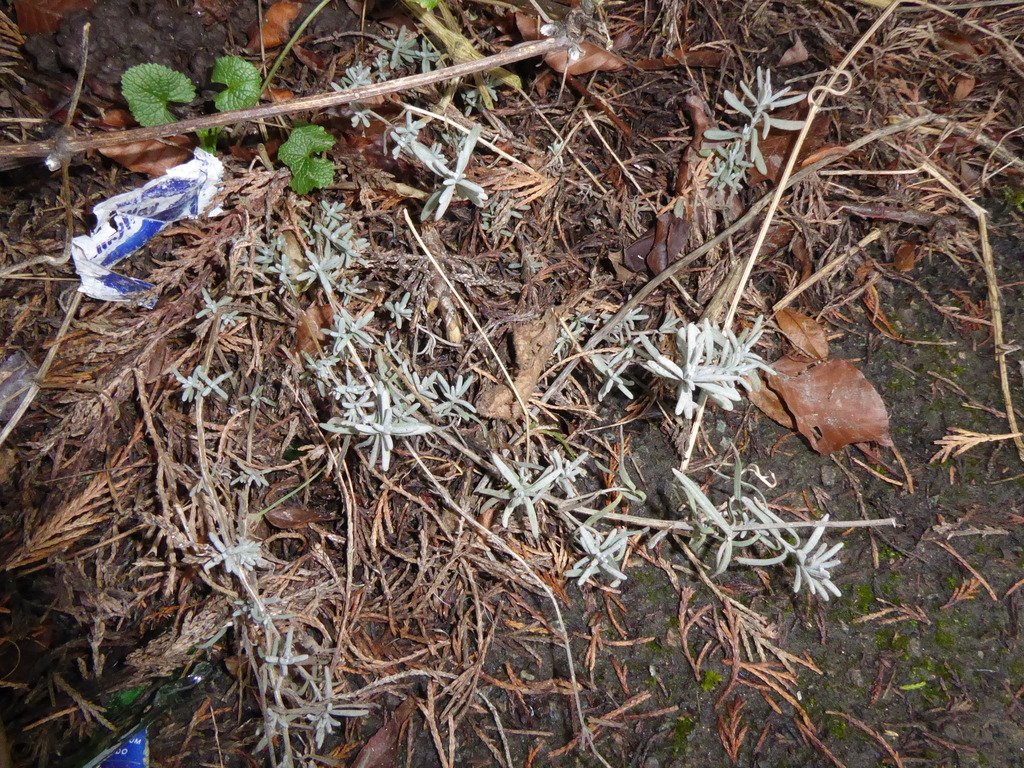
- Botanical name
- Lavandula angustifolia
- Also known as
- Common Lavender, English Lavendar, English Lavender, Garden Lavender, Lavender
- Family
- Lamiaceae
- Genus
- Lavandula
- Flowering period
- July to August
- Height
- 45–90 cm
- Spread
- 45–90 cm
- Hardiness
- Hardy (RHS H5)
- Native range
- Western Mediterranean
- Reference
- World Flora Online
How to grow Common Lavender
Full sun
Low once established
Poor to moderate, sharply drained
Neutral to alkaline
Planting
Plant in spring into free-draining soil in the sunniest position you have. Wet feet in winter kill far more lavender than cold does — on clay, plant on a slight mound or add plenty of grit.
Do not mulch with anything moisture-retentive around the crown; gravel is better than bark.
Pruning
Prune every year, straight after flowering. Take off the spent flower stems and about 2–3 cm of the current season's growth, leaving a tight dome.
Never cut back into old bare wood — lavender does not reshoot from it, and a neglected leggy plant is usually easier to replace than to rescue.
Propagation
Semi-ripe cuttings in late summer root readily and are the reliable route, since seedlings are variable.
Pests and diseases
Froghopper 'cuckoo spit' is harmless. Root rot in wet ground is the real killer. Grey mould can follow a damp season.
Value to wildlife
Outstanding for bees and butterflies through mid-summer, and one of the best nectar plants for a hot dry border.
This guidance was researched and written by GardenDecoded — see our editorial policy for how guides are checked and reviewed.
Others in Lavandula
GardenDecoded is an educational gardening reference. Botanical data comes from World Flora Online and GBIF; growing guidance is our own. Always check a plant's toxicity and local invasiveness status before planting, and never eat or apply a plant based on this site alone.