Laurus azorica
Bay Laurel
Laurus nobilis
L. Species

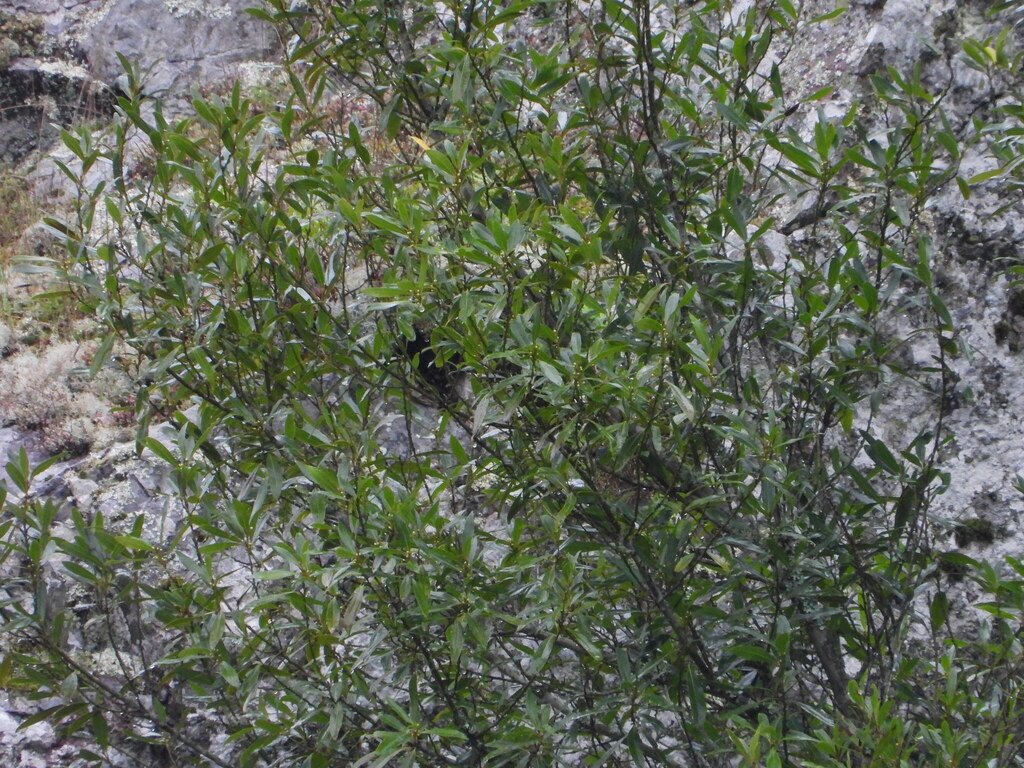
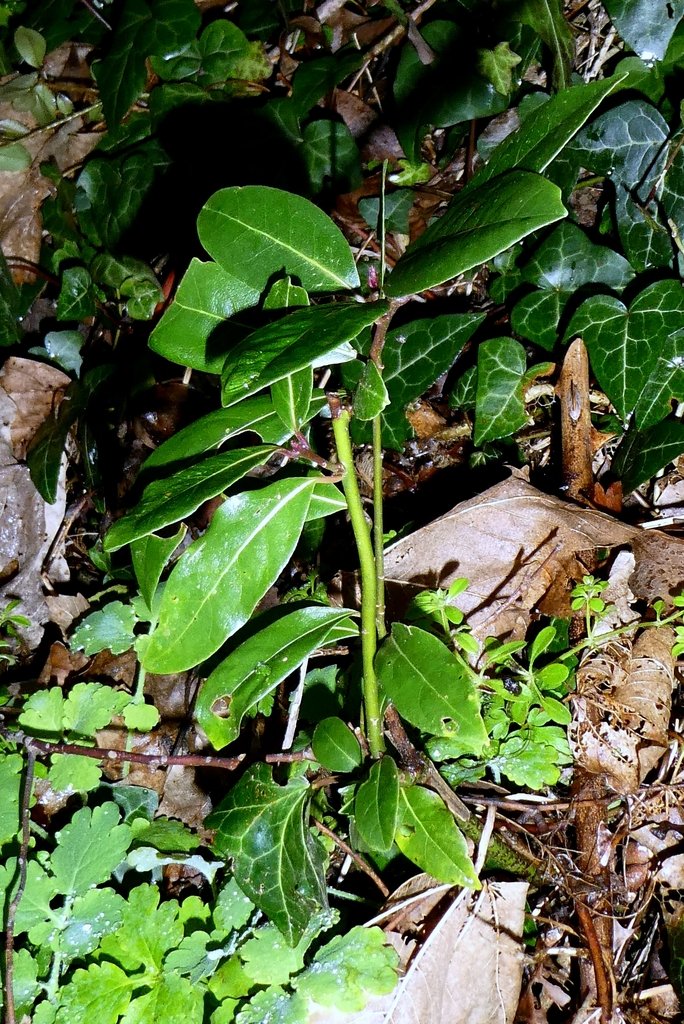
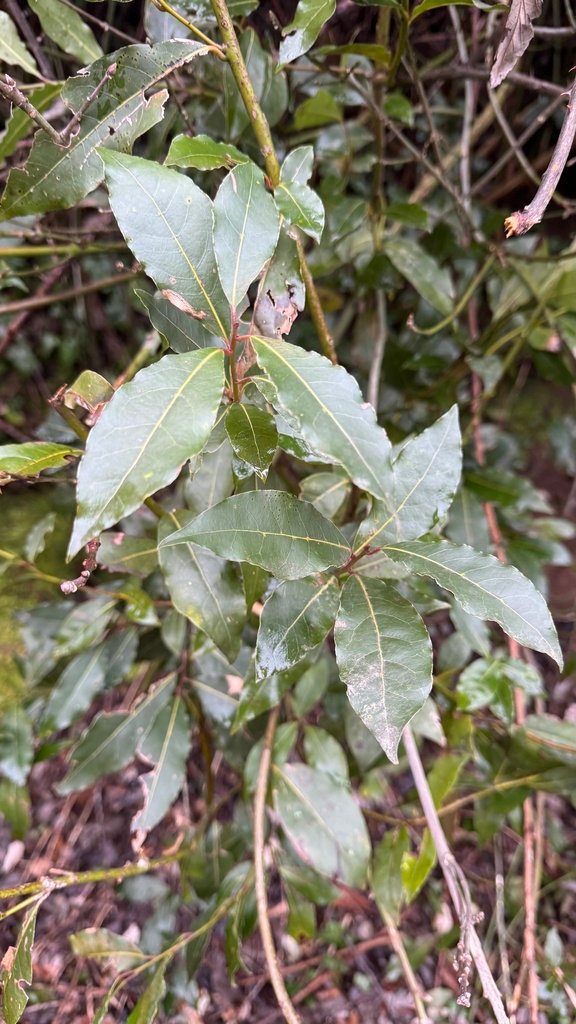
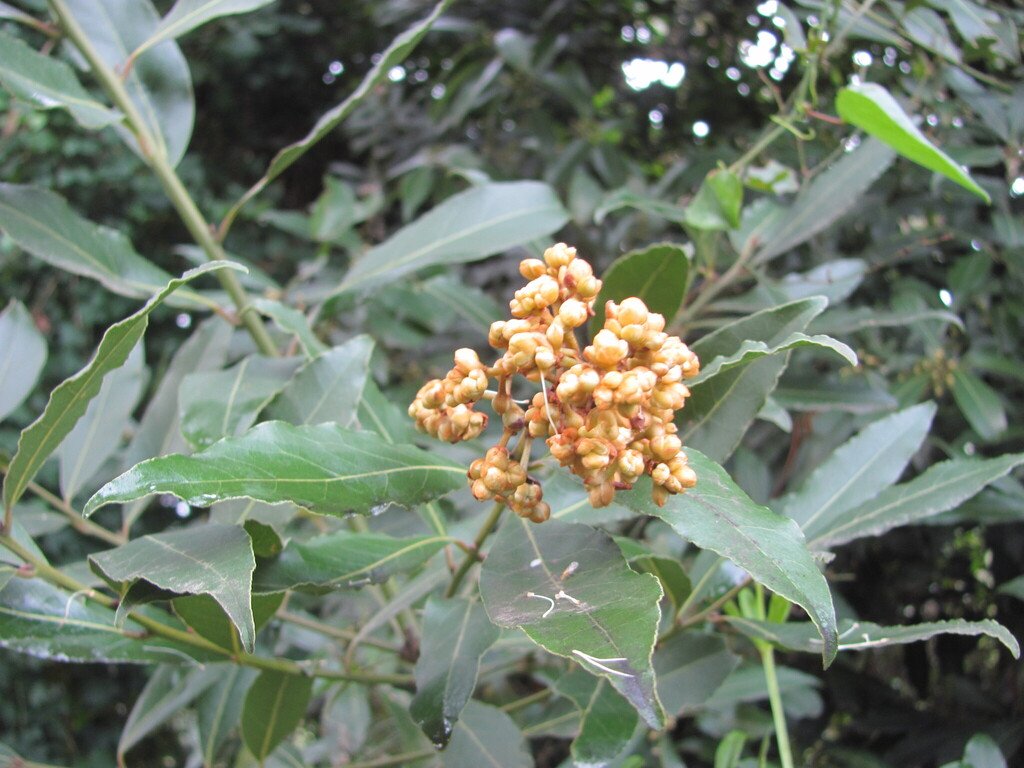
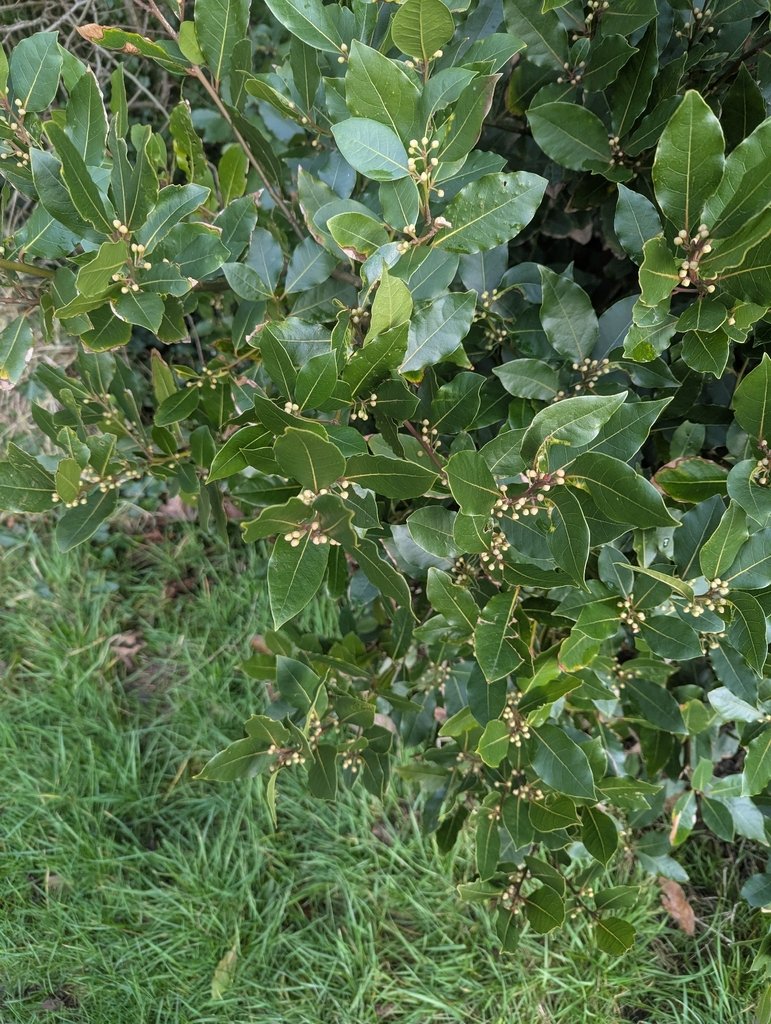
- Botanical name
- Laurus nobilis
- Also known as
- Bay, Bay Laurel, Bay-Leaf Laurel, Laurel, Sweet Bay, Sweetbal-Tree
- Family
- Lauraceae
- Genus
- Laurus
- Flowering period
- April to May
- Height
- 2–8 m
- Spread
- 1.5–5 m
- Hardiness
- Hardy in most of the UK (RHS H4)
- Reference
- World Flora Online
How to grow Bay Laurel
Full sun to partial shade; shelter from cold drying wind
Moderate; let containers dry slightly between waterings and keep them barely moist in winter
Free-draining; a loam-based compost with added grit for pots
Acid, neutral or alkaline
Planting
Plant in late spring in a sheltered spot out of the wind, which does more damage than cold in an average winter. In the ground and left alone it becomes a substantial tree; most gardeners grow it clipped in a pot, which keeps it manageable and allows it to be moved somewhere sheltered for the winter. Never let a container-grown bay sit in a saucer of water.
Pruning
Clip formal shapes twice, in late spring and again in late summer. Use secateurs rather than shears on a standard or a ball — sheared bay leaves half-cut leaves that brown at the edges and look poor for months. It tolerates hard cutting back into old wood and reshoots reliably.
Propagation
Semi-ripe heel cuttings in late summer, in a cold frame or with gentle bottom heat. They root slowly and losses are high, so take more than you need.
Pests and diseases
Bay sucker is the common problem: it causes thickened, yellowing, curled leaf margins in summer — pick off affected leaves. Scale insects produce sticky honeydew and sooty mould. Brown, scorched leaves after winter are almost always wind or cold damage, not disease.
Notes
Container plants need repotting or top-dressing every two or three years and regular feeding through the growing season, or the leaves go pale and small. In a hard winter, move pots against a house wall and wrap the container to protect the roots — the roots freeze long before the top growth is troubled.
This guidance was researched and written by GardenDecoded — see our editorial policy for how guides are checked and reviewed.
Other names for this plant
These names have all been used for Laurus nobilis but are no longer the accepted name. You may still meet them on old labels, in books, or in nursery catalogues.
Laurus angusta
Laurus nobilis f. lanceolata
Laurus nobilis f. latifolia
Laurus nobilis var. angustifolia
Laurus nobilis var. floribunda
Laurus nobilis var. flos-pleno
Laurus nobilis var. lanceolata
Laurus nobilis var. latifolia
Laurus nobilis var. longifolia
Laurus nobilis var. rotundifolia
Laurus nobilis var. undulata
Laurus nobilis var. variegata
Laurus papillosa
Laurus salicifolia
Laurus tenuifolia
Laurus undulata
Others in Laurus
GardenDecoded is an educational gardening reference. Botanical data comes from World Flora Online and GBIF; growing guidance is our own. Always check a plant's toxicity and local invasiveness status before planting, and never eat or apply a plant based on this site alone.