Japan Globeflower
Kerria japonica
(L.) DC. Species
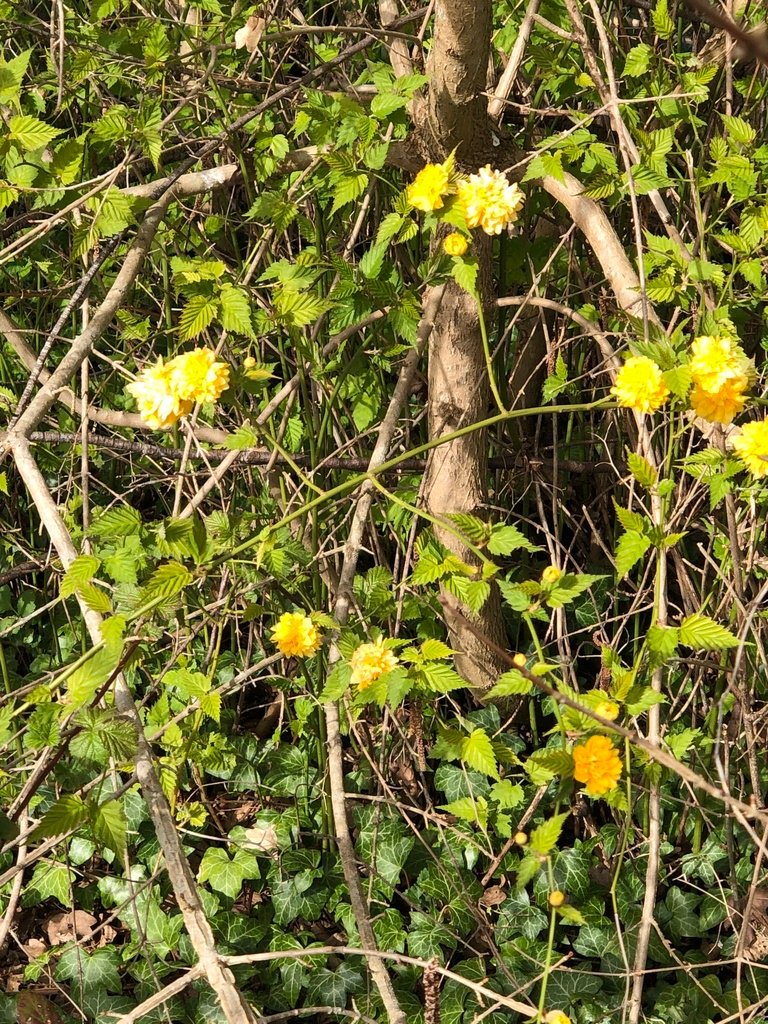
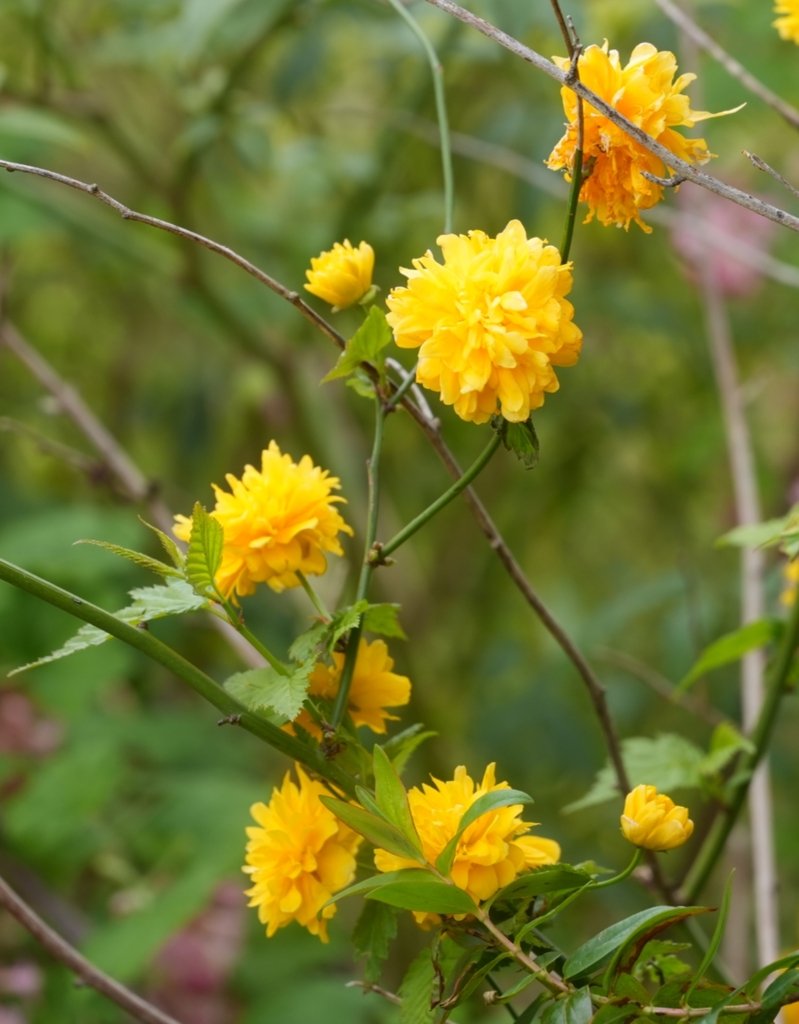
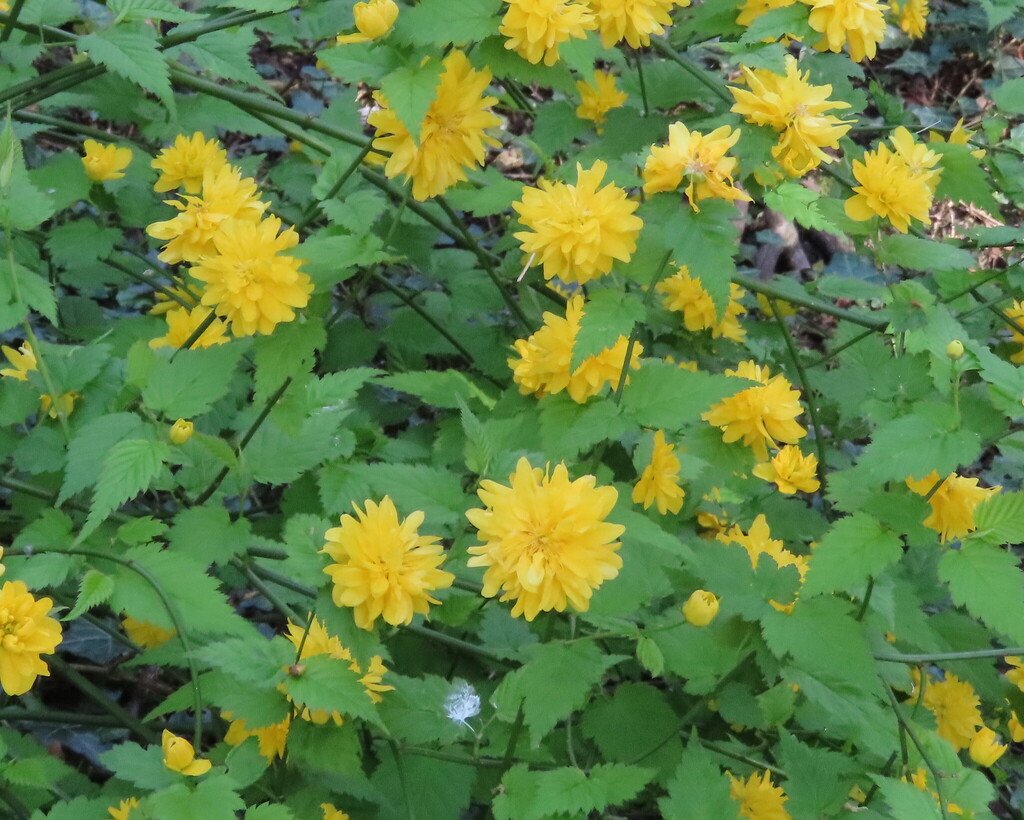
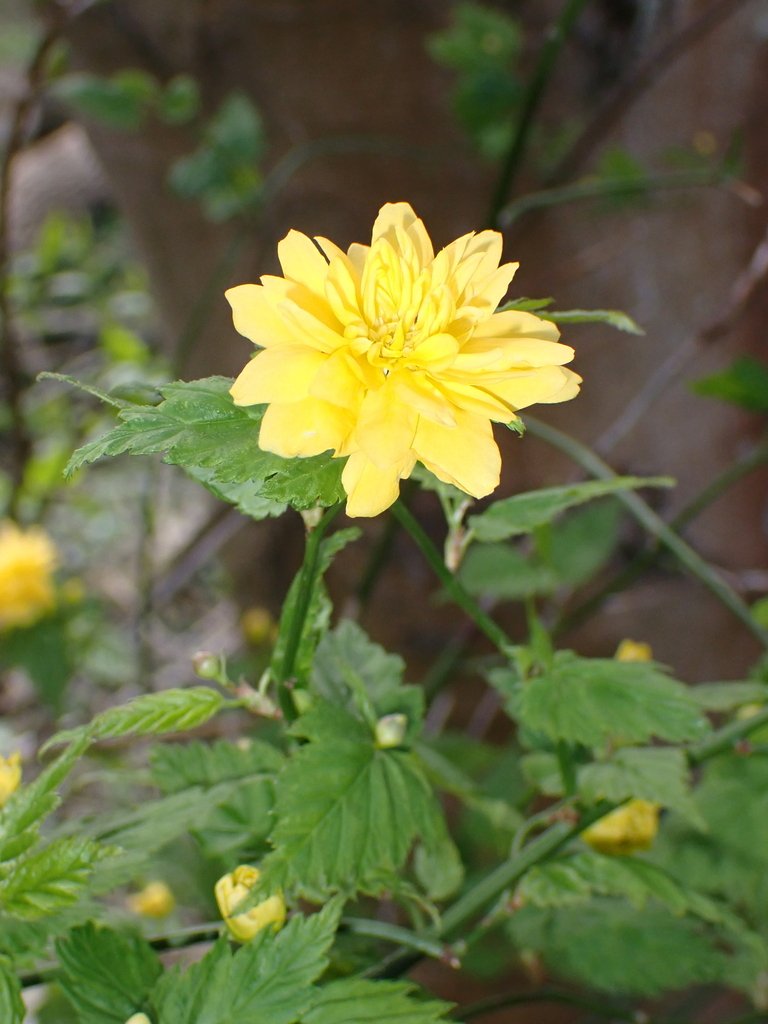
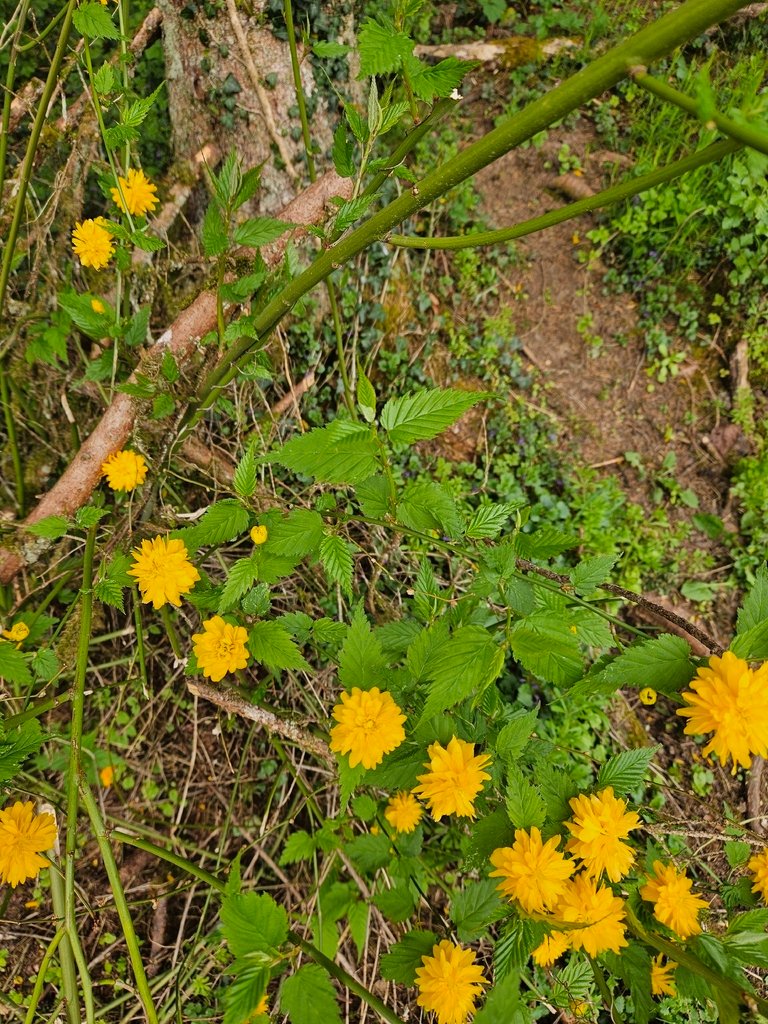
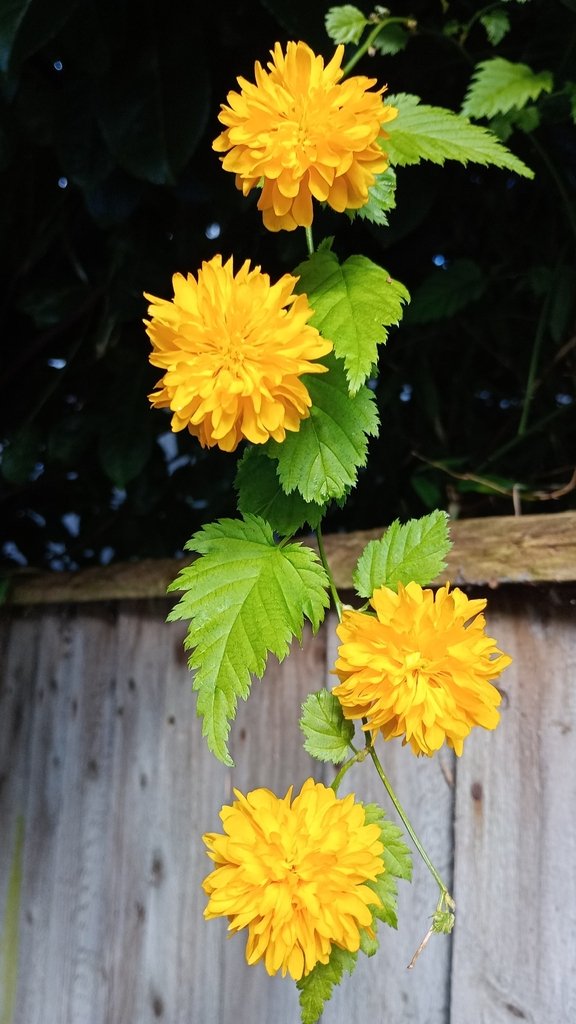
- Botanical name
- Kerria japonica
- Also known as
- Japan Globeflower, Japanese Globeflower, Japanese Kerria, Japanese Rose, Japanese-Rose, Jew's-Mallow, Kerria
- Family
- Rosaceae
- Genus
- Kerria
- Flowering period
- April to May
- Height
- 150–250 cm
- Spread
- 150–250 cm
- Hardiness
- Fully hardy (RHS H6)
- Reference
- World Flora Online
How to grow Japan Globeflower
Planting
An undemanding shrub for a north or east aspect where the spring yellow is welcome. Plant where suckering is not a problem — it spreads steadily outwards.
Pruning
Cut flowered stems back to strong low shoots straight after flowering, and take a third of the oldest canes out at ground level. Without this it becomes a thicket of thin unproductive wood.
Propagation
Lift and detach rooted suckers in autumn or winter. Hardwood cuttings also take easily.
Pests and diseases
Largely trouble-free. Occasional twig dieback should simply be cut out.
Value to wildlife
The single-flowered form offers accessible pollen and nectar early in the season; the common double form is of little use to insects.
Notes
The double form 'Pleniflora' is the one usually sold and it suckers more freely than the single. Expect to be pulling up shoots a metre or two from the parent plant.
This guidance was researched and written by GardenDecoded — see our editorial policy for how guides are checked and reviewed.
Other names for this plant
These names have all been used for Kerria japonica but are no longer the accepted name. You may still meet them on old labels, in books, or in nursery catalogues.
GardenDecoded is an educational gardening reference. Botanical data comes from World Flora Online and GBIF; growing guidance is our own. Always check a plant's toxicity and local invasiveness status before planting, and never eat or apply a plant based on this site alone.