Hypericum aethiopicum subsp. aethiopicum
Aaron's Beard
Hypericum calycinum
L. Species
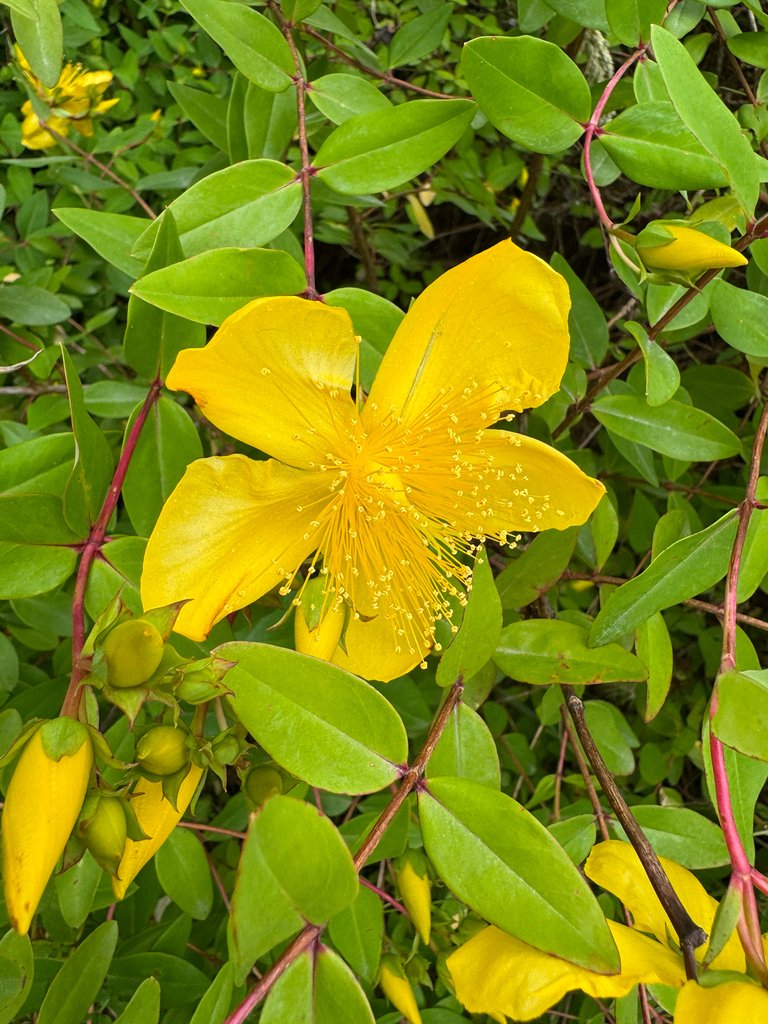
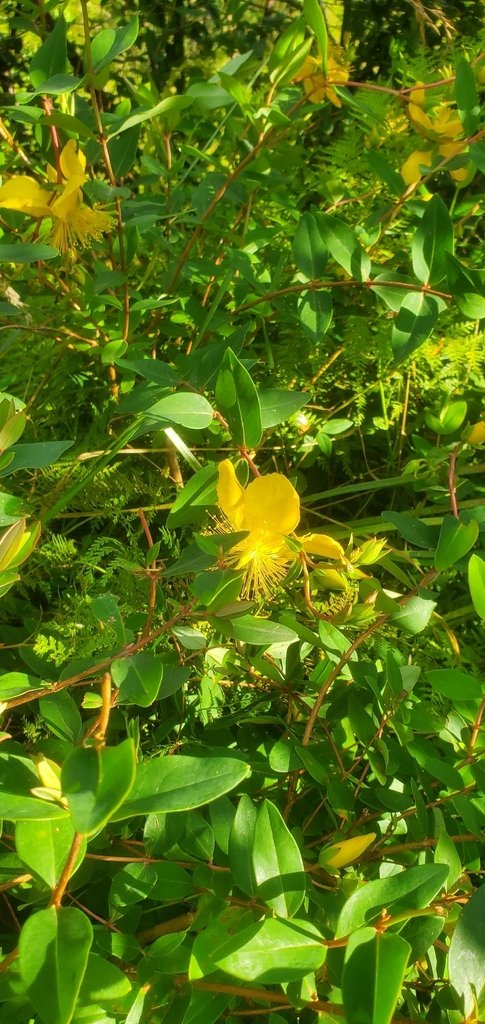
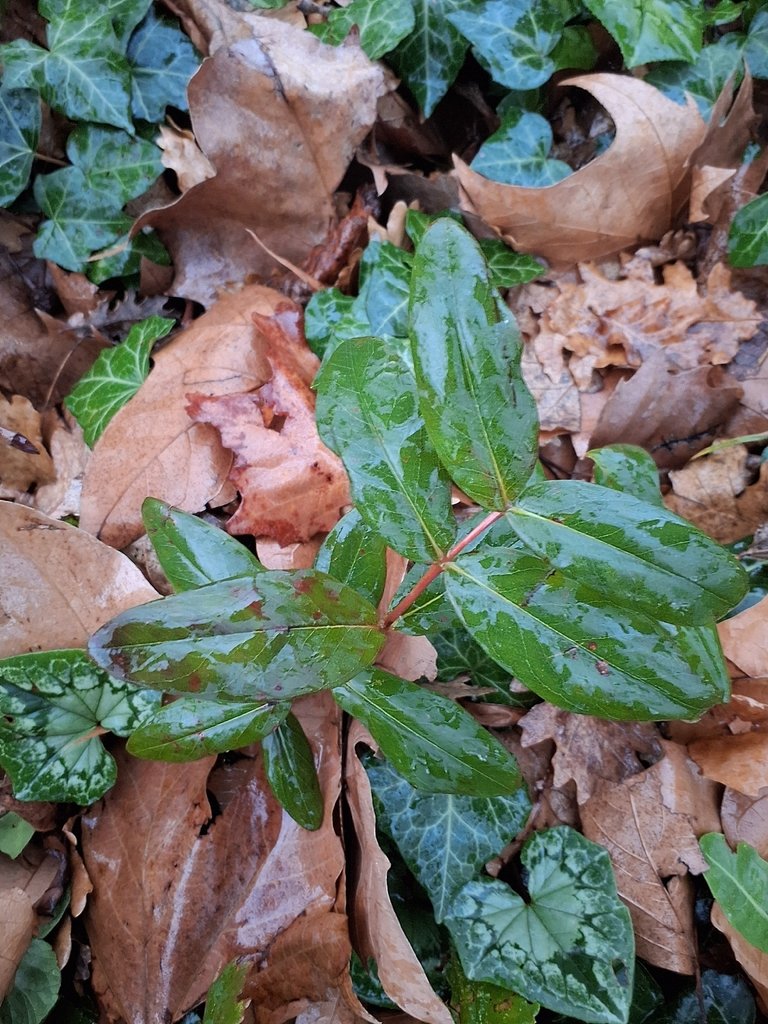
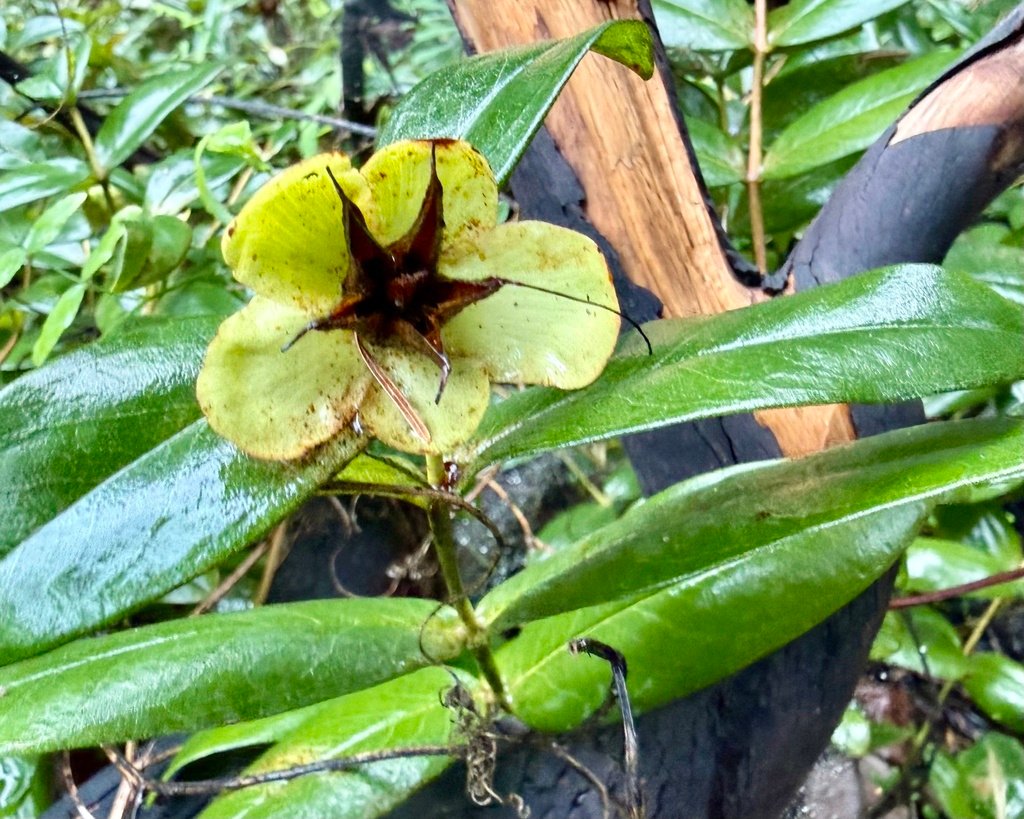
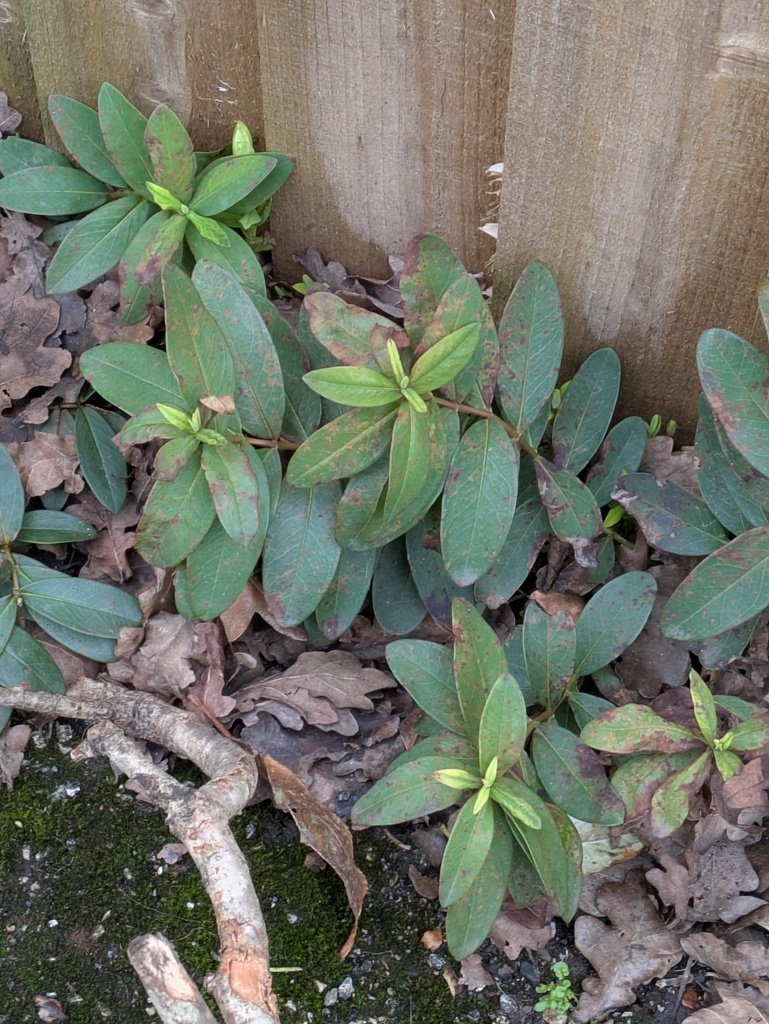

- Botanical name
- Hypericum calycinum
- Also known as
- Aaron's Beard, Aaron's-Beard, Creeping St. John's Wort, Creeping St. John's-Wort, Rose-of-Sharon
- Family
- Hypericaceae
- Genus
- Hypericum
- Flowering period
- June to September
- Height
- 30–60 cm
- Spread
- 100 cm
- Hardiness
- Fully hardy (RHS H5)
- Reference
- World Flora Online
How to grow Aaron's Beard
Full sun to full shade
Low once established
Tolerates most soils including poor and dry
5.5–7.5
Planting
Used almost entirely as ground cover on banks and awkward dry shade where little else will hold soil. Plant about 45 cm apart and expect them to knit together within two seasons.
Pruning
Cut the whole planting back hard with shears in early spring, near enough to ground level. It regrows quickly and this is the only way to keep it from becoming woody and bare underneath.
Propagation
Divide rooted runners in spring or autumn. There is rarely any need to buy more than a few plants.
Pests and diseases
Hypericum rust causes orange pustules on the leaves and can defoliate a planting badly. Cutting back hard and clearing the debris helps but does not eliminate it.
Value to wildlife
Bees collect pollen from the prominent boss of stamens through a long summer season.
Notes
It spreads by underground runners and will not stay where you put it. Do not plant it in a mixed border alongside anything less vigorous — give it a defined area with a hard edge, or you will spend years removing it.
Some structured details on this page (such as tolerances, pH and hardiness) come from USDA PLANTS Database (public domain). The written guidance is GardenDecoded's own, researched as described in our editorial policy.
Other names for this plant
These names have all been used for Hypericum calycinum but are no longer the accepted name. You may still meet them on old labels, in books, or in nursery catalogues.
Androsaemum calycinum
Ascyrum calicinum
Ascyrum coriaceum
Eremanthe calycina
Eremanthe venosa
Hypericum calycinum f. luteum
Hypericum calycinum var. acutifolium
Hypericum grandiflorum
Hypericum venosum
Norysca calycina
Norysca venosa
Others in Hypericum
GardenDecoded is an educational gardening reference. Botanical data comes from World Flora Online and GBIF; growing guidance is our own. Always check a plant's toxicity and local invasiveness status before planting, and never eat or apply a plant based on this site alone.