Hydrangea caerulea
Lacecap Hydrangea
Hydrangea macrophylla
(Thunb.) Ser. Species
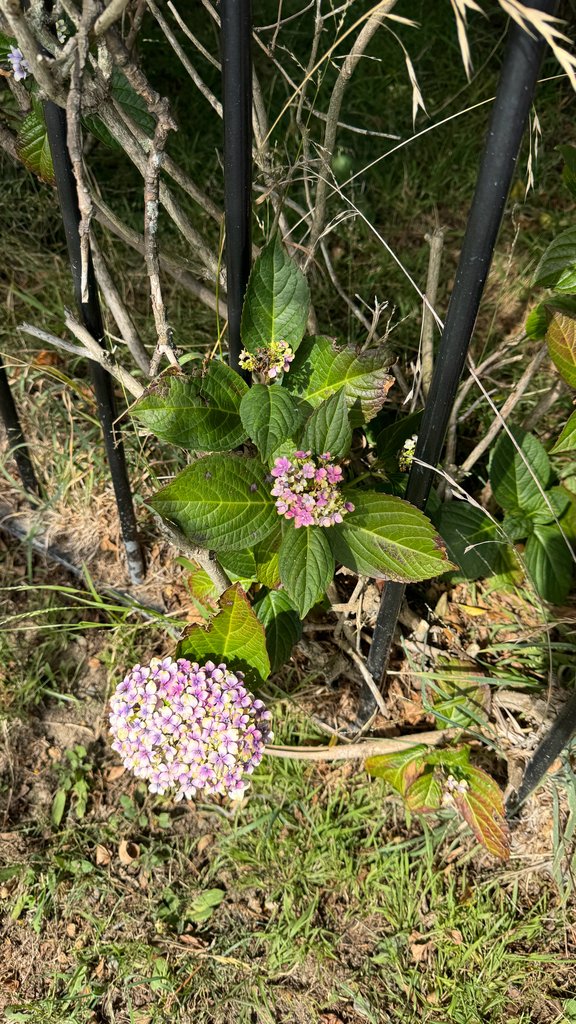
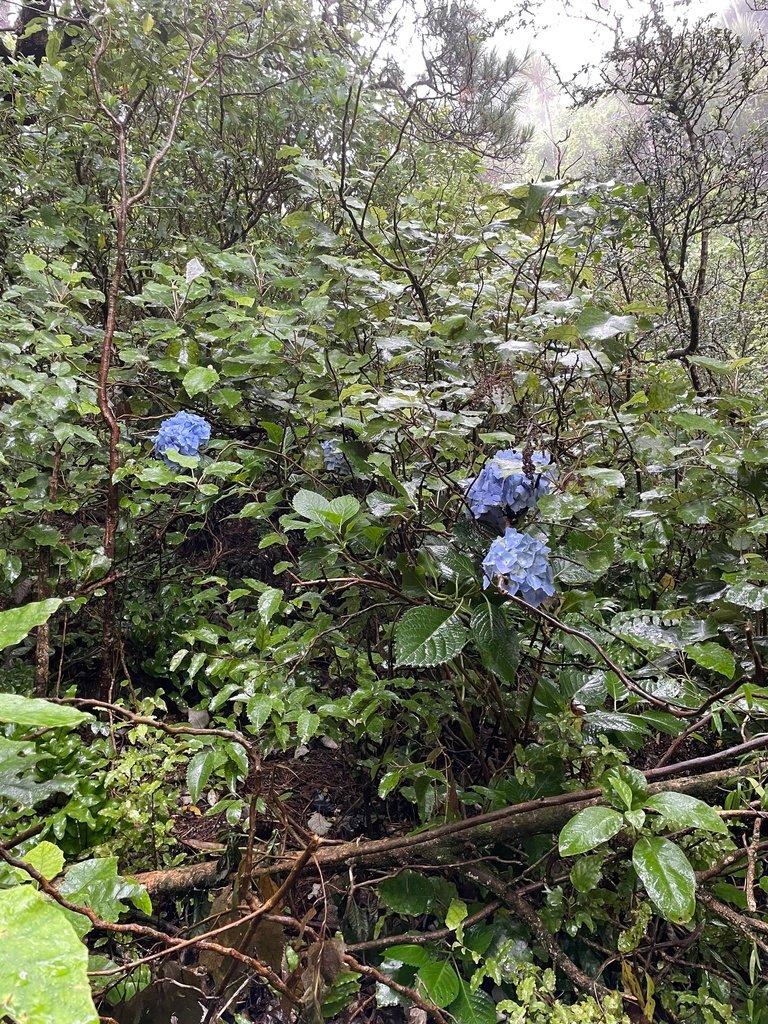


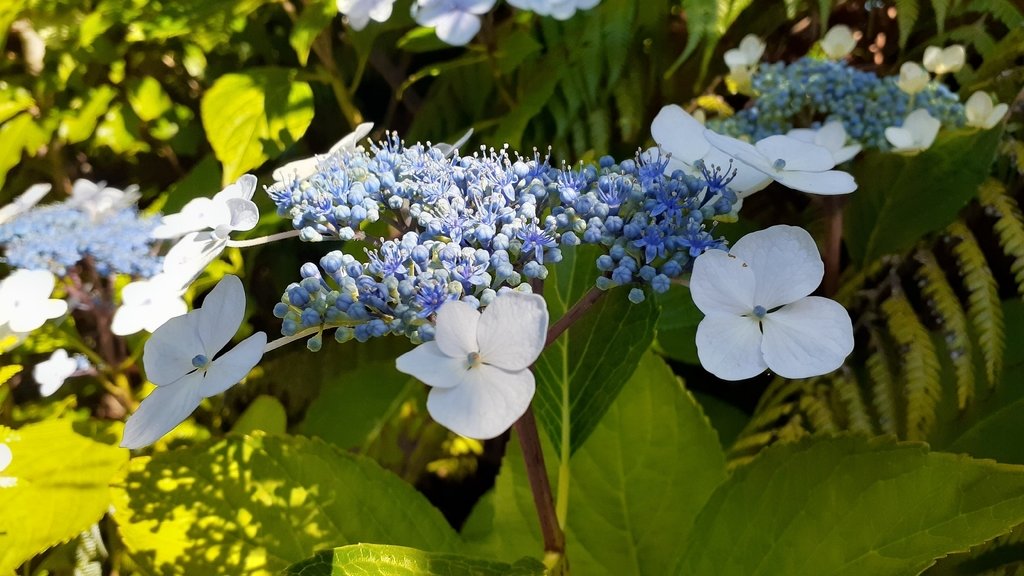
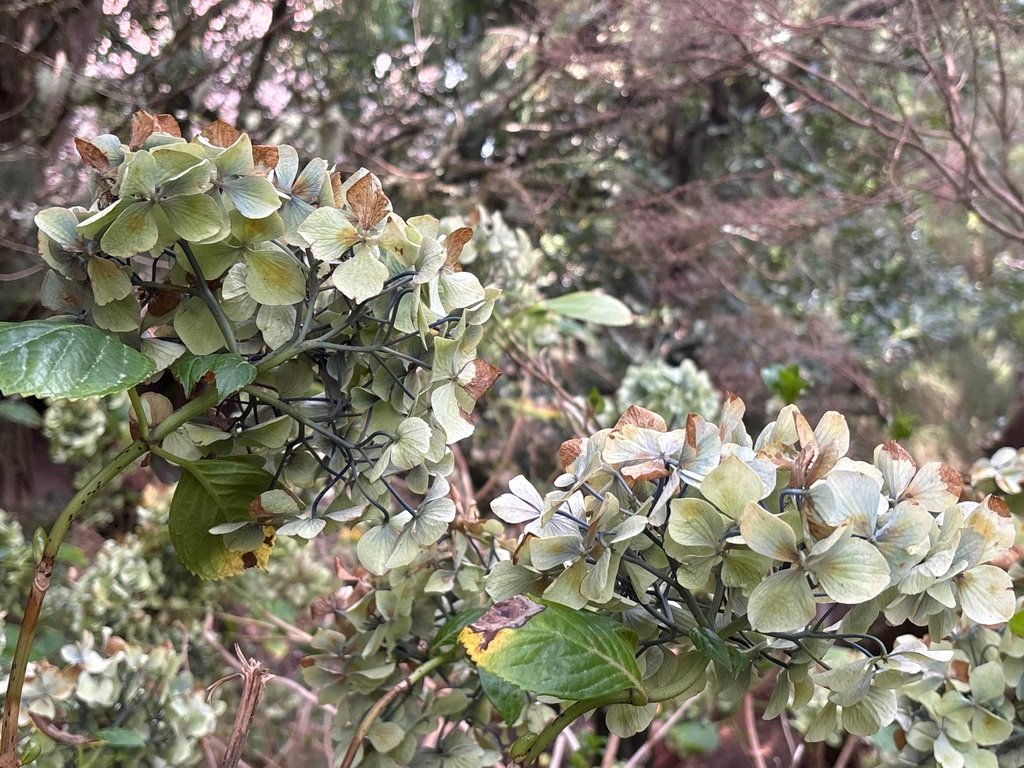
- Botanical name
- Hydrangea macrophylla
- Also known as
- Hortensia, Hydrangea, Lacecap Hydrangea
- Family
- Hydrangeaceae
- Genus
- Hydrangea
- Flowering period
- July to September
- Height
- 100–200 cm
- Spread
- 100–250 cm
- Hardiness
- Fully hardy (RHS H5)
- Reference
- World Flora Online
How to grow Lacecap Hydrangea
Partial shade; morning sun with afternoon shade suits it best
High; it wilts quickly and needs consistent moisture
Moist, humus-rich, well-drained
Acid to neutral; pH controls flower colour in mophead and laceca
Planting
Plant in autumn or spring with plenty of organic matter worked in. Avoid dry positions under house eaves or in the root zone of large trees — this plant does not tolerate drought, and the name reflects that.
Pruning
Leave the faded heads on over winter; they protect the buds below. Cut back to the first fat pair of buds in early spring, and take out a couple of the oldest stems at the base each year to keep it renewing.
Propagation
Softwood cuttings in early summer root easily. Take non-flowering shoots and keep them humid until rooted.
Pests and diseases
Vine weevil is a real problem in containers, the grubs eating the roots unseen. Powdery mildew and leaf spot appear in dry or crowded conditions.
Value to wildlife
Lacecap forms have fertile florets in the centre that insects can actually use; mopheads are largely sterile and of little value to pollinators.
Notes
Blue flowers need acid soil and available aluminium. On chalk you can add a colourant, but the honest answer is that it will drift back towards pink and you are better off growing it in a container of ericaceous compost.
Some structured details on this page (such as tolerances, pH and hardiness) come from USDA PLANTS Database (public domain). The written guidance is GardenDecoded's own, researched as described in our editorial policy.
Other names for this plant
These names have all been used for Hydrangea macrophylla but are no longer the accepted name. You may still meet them on old labels, in books, or in nursery catalogues.
Hortensia japonica
Hortensia macrophylla
Hortensia macrophylla f. isobue
Hortensia macrophylla f. isonotaki
Hortensia macrophylla f. normalis
Hortensia mutabilis
Hortensia nigra
Hortensia opuloides
Hortensia rosea
Hortensia speciosa
Hydrangea azisai
Hydrangea azisai var. foliis-aureovariegatis
Hydrangea cyanoclada
Hydrangea florida
Hydrangea hortensia
Hydrangea hortensia f. otaksa
Hydrangea hortensia f. rosea
Hydrangea hortensia f. variegata
Hydrangea hortensia var. azisai
Hydrangea hortensia var. macrosepala
Hydrangea hortensia var. maculata
Hydrangea hortensia var. mariesii
Hydrangea hortensia var. otaksa
Hydrangea hortensia var. rosea
Hydrangea hortensis
Hydrangea hortensis var. alba
Hydrangea hortensis var. maculata
Hydrangea hortensis var. mariesii
Hydrangea japonica f. hortensia
Hydrangea japonica unranked fimbriata-macrophylla
Hydrangea japonica unranked speciosa
Hydrangea japonica unranked variegata
Hydrangea japonica var. albovariegatis
Hydrangea japonica var. coerulescens
Hydrangea japonica var. foliis-variegatis
Hydrangea japonica var. macrosepala
Hydrangea japonica var. otaksa
Hydrangea japonica var. plena
Hydrangea japonica var. variegata
Hydrangea macrocephala
Hydrangea macrophylla f. azisai
Hydrangea macrophylla f. caesia
Hydrangea macrophylla f. hortensia
Hydrangea macrophylla f. isobue
Hydrangea macrophylla f. isonotaki
Hydrangea macrophylla f. leucantha
Hydrangea macrophylla f. macrosepala
Hydrangea macrophylla f. maculata
Hydrangea macrophylla f. mandschurica
Hydrangea macrophylla f. mariesii
Hydrangea macrophylla f. normalis
Hydrangea macrophylla f. nuda
Hydrangea macrophylla f. otaksa
Hydrangea macrophylla f. veitchii
Hydrangea macrophylla var. hattoriana
Hydrangea macrophylla var. hortensis
Hydrangea macrophylla var. macrophylla
Hydrangea macrophylla var. normalis
Hydrangea macrophylla var. otaksa
Hydrangea mandshurica
Others in Hydrangea
GardenDecoded is an educational gardening reference. Botanical data comes from World Flora Online and GBIF; growing guidance is our own. Always check a plant's toxicity and local invasiveness status before planting, and never eat or apply a plant based on this site alone.