Hyacinthus litwinovii
Garden Hyacinth
Hyacinthus orientalis
L. Species
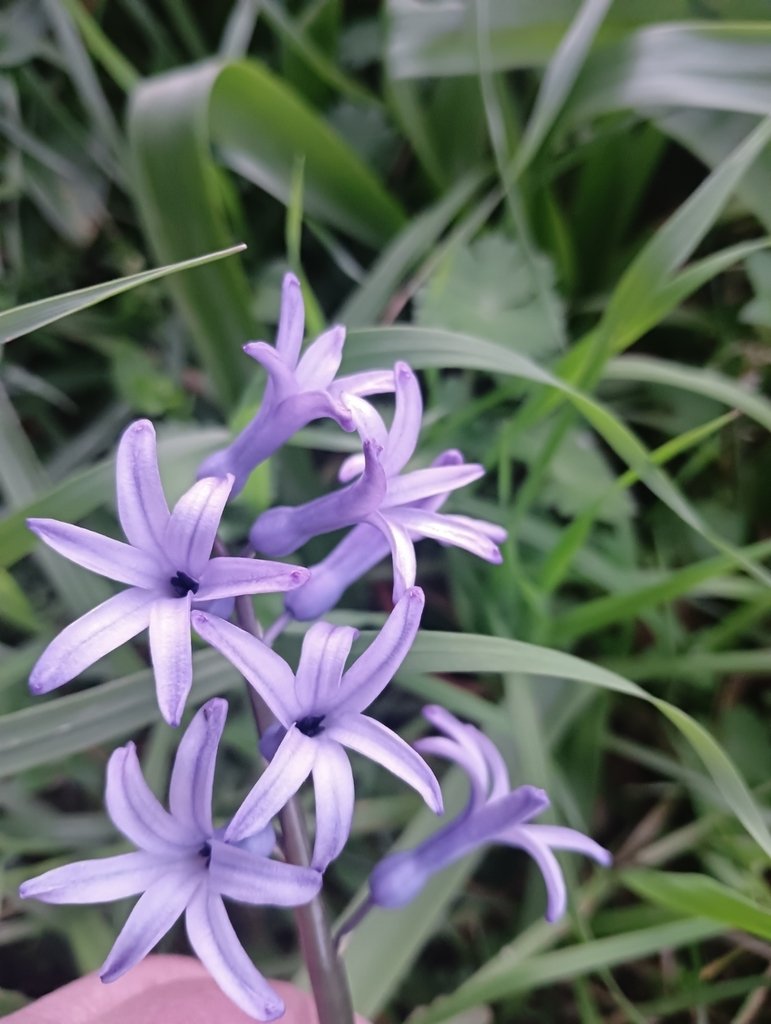

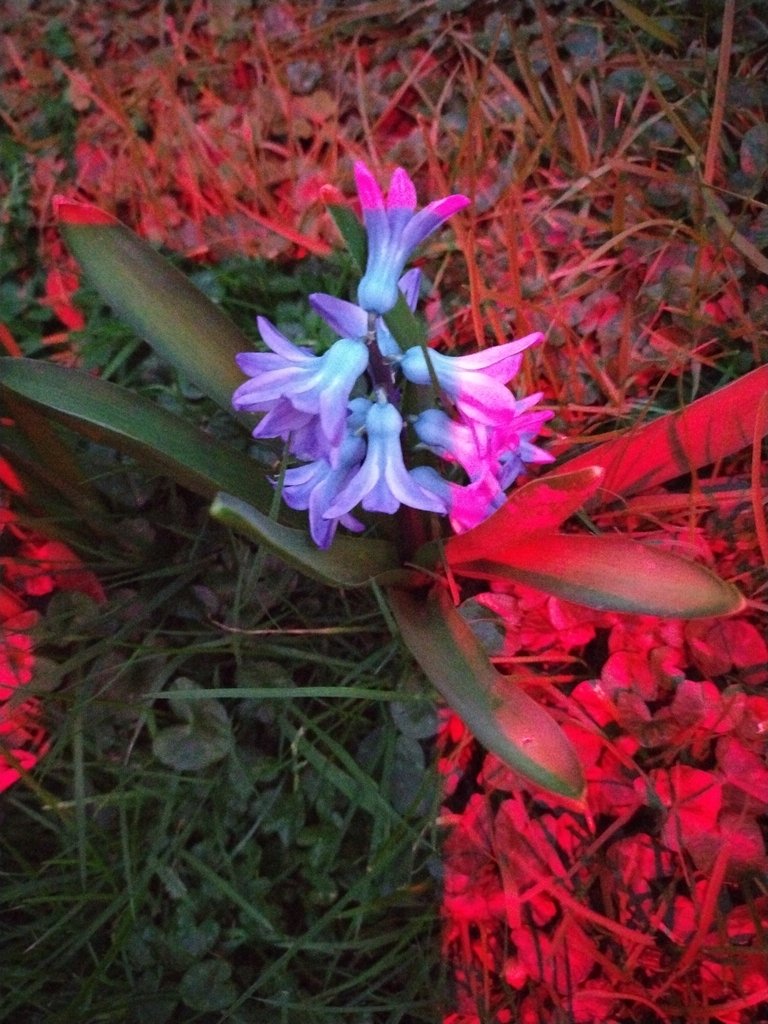

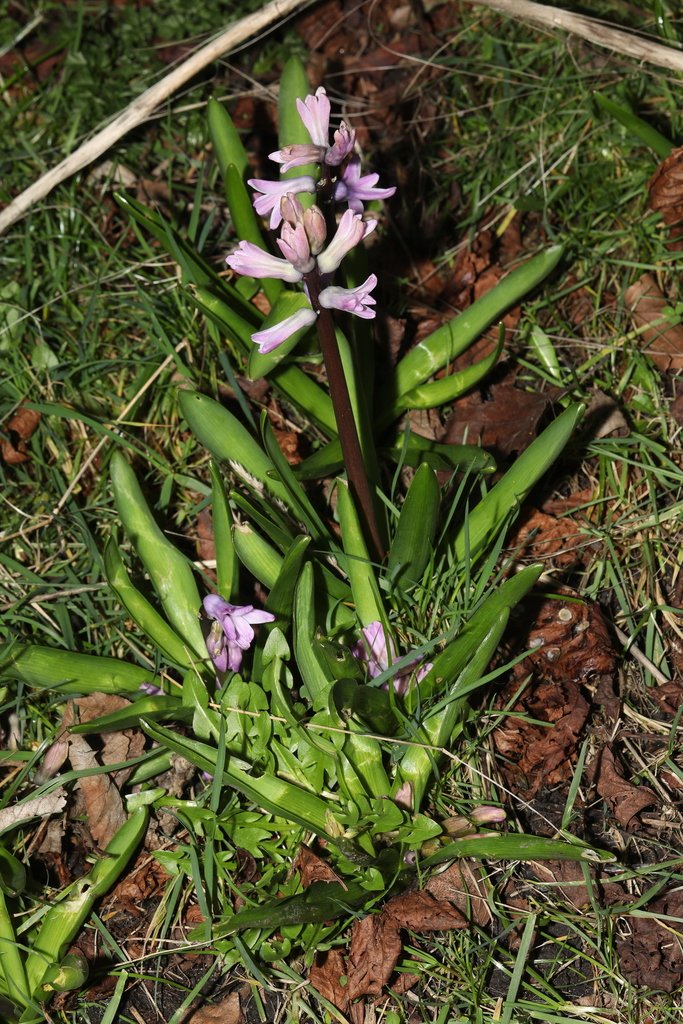
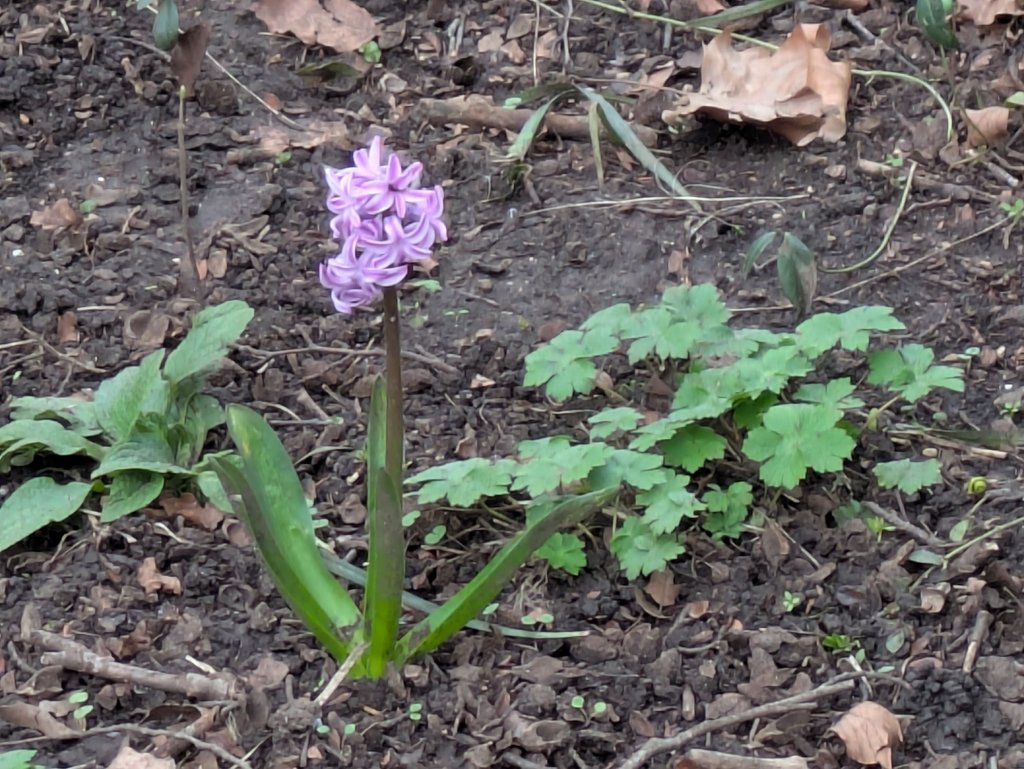
- Botanical name
- Hyacinthus orientalis
- Also known as
- Garden Hyacinth, Hyacinth
- Family
- Asparagaceae
- Genus
- Hyacinthus
- Flowering period
- March to April
- Height
- 20–30 cm
- Spread
- 10–15 cm
- Hardiness
- Fully hardy (RHS H6)
- Reference
- World Flora Online
How to grow Garden Hyacinth
Full sun to light shade
Moderate in growth; keep dry when dormant
Well-drained, moderately fertile soil
Neutral to alkaline
Planting
Plant bulbs in autumn, about 10–15 cm deep, in a sunny well-drained spot or in pots. For indoor flowering at Christmas you need specially prepared bulbs, potted in early autumn and kept in complete darkness at around 9°C for roughly ten weeks before bringing into the light.
Pruning
Cut off the flower spike once it is over, but leave the leaves to die back naturally so the bulb can build up for next year.
Propagation
Offsets can be separated when dormant. Commercial propagation involves deliberately wounding the base of the bulb to force bulbils, which is fiddly and rarely worth doing at home.
Pests and diseases
Bulb rot in wet soil, and grey mould in damp still air. Slugs damage the emerging spikes.
Value to wildlife
The scented flowers attract early bees, though this is a heavily bred garden plant rather than a wildlife choice.
Notes
Bulbs planted outdoors give a fat, dense spike in the first year and looser, more natural spikes in later years — many gardeners prefer the second-year look. Forced indoor bulbs are exhausted afterwards but usually recover if planted out in the garden. The bulbs can irritate skin, so wear gloves when handling large quantities.
This guidance was researched and written by GardenDecoded — see our editorial policy for how guides are checked and reviewed.
Other names for this plant
These names have all been used for Hyacinthus orientalis but are no longer the accepted name. You may still meet them on old labels, in books, or in nursery catalogues.
Hyacinthus orientalis f. pleniflorus
Hyacinthus orientalis subsp. albulus
Hyacinthus orientalis subsp. provincialis
Scilla coronaria
Others in Hyacinthus
GardenDecoded is an educational gardening reference. Botanical data comes from World Flora Online and GBIF; growing guidance is our own. Always check a plant's toxicity and local invasiveness status before planting, and never eat or apply a plant based on this site alone.